
It’s time to elevate your email marketing strategy and maximize your return on investment by harnessing the power of artificial intelligence. With AI, you can tailor your campaigns to resonate more effectively with your audience, automate tedious processes, and analyze data with unprecedented accuracy. In this blog post, we’ll explore how implementing AI into your email marketing can transform your efforts and drive significant results, ensuring you stay ahead of the competition. Let’s dive in and unlock the full potential of your email campaigns together!
Key Takeaways:
- Increased Efficiency: Implementing AI can automate repetitive tasks in email marketing, allowing teams to focus on more strategic initiatives.
- Personalization: AI enables more targeted messaging by analyzing customer behavior and preferences, leading to higher engagement rates.
- Data-Driven Insights: Utilize AI tools to gain valuable analytics that help refine your email marketing strategies and improve performance metrics.
- Segmentation: AI’s advanced segmentation capabilities allow for more dynamic audience targeting, enhancing the relevance of your campaigns.
- Predictive Analytics: Leverage AI to forecast trends in customer behavior, optimizing your email marketing approaches for superior ROI.
Why AI in Email Marketing Matters
Before venturing into the capabilities of AI, it’s imperative to understand the landscape of modern marketing. In an age where brands are inundated with data from multiple sources, the ability to harness that data for strategic decision-making has never been more critical. Traditional email marketing strategies can be limited and often fall short of delivering personalized experiences that resonate with your audience. This is where AI steps in, transforming email marketing into a dynamic powerhouse that pushes your ROI to new heights.
The Rise of AI in Marketing
With a rapid increase in digital communication, AI has emerged as a game-changer in the marketing world. Businesses are now leveraging machine learning algorithms to analyze vast amounts of customer data, pinpointing trends and preferences that were once elusive. More than just a trend, the integration of AI into marketing strategies is becoming a necessity, allowing you to engage your audience more effectively and efficiently than ever before.
As consumer expectations continue to rise, you need tools that can keep up. By utilizing AI, you can automate tedious tasks, interpret analytics at lightning speed, and deliver tailored content to your subscribers’ inboxes. This technological evolution is not just about improving operational efficiency; it’s about unlocking potential that could otherwise remain untapped.
Benefits of AI-Driven Email Marketing
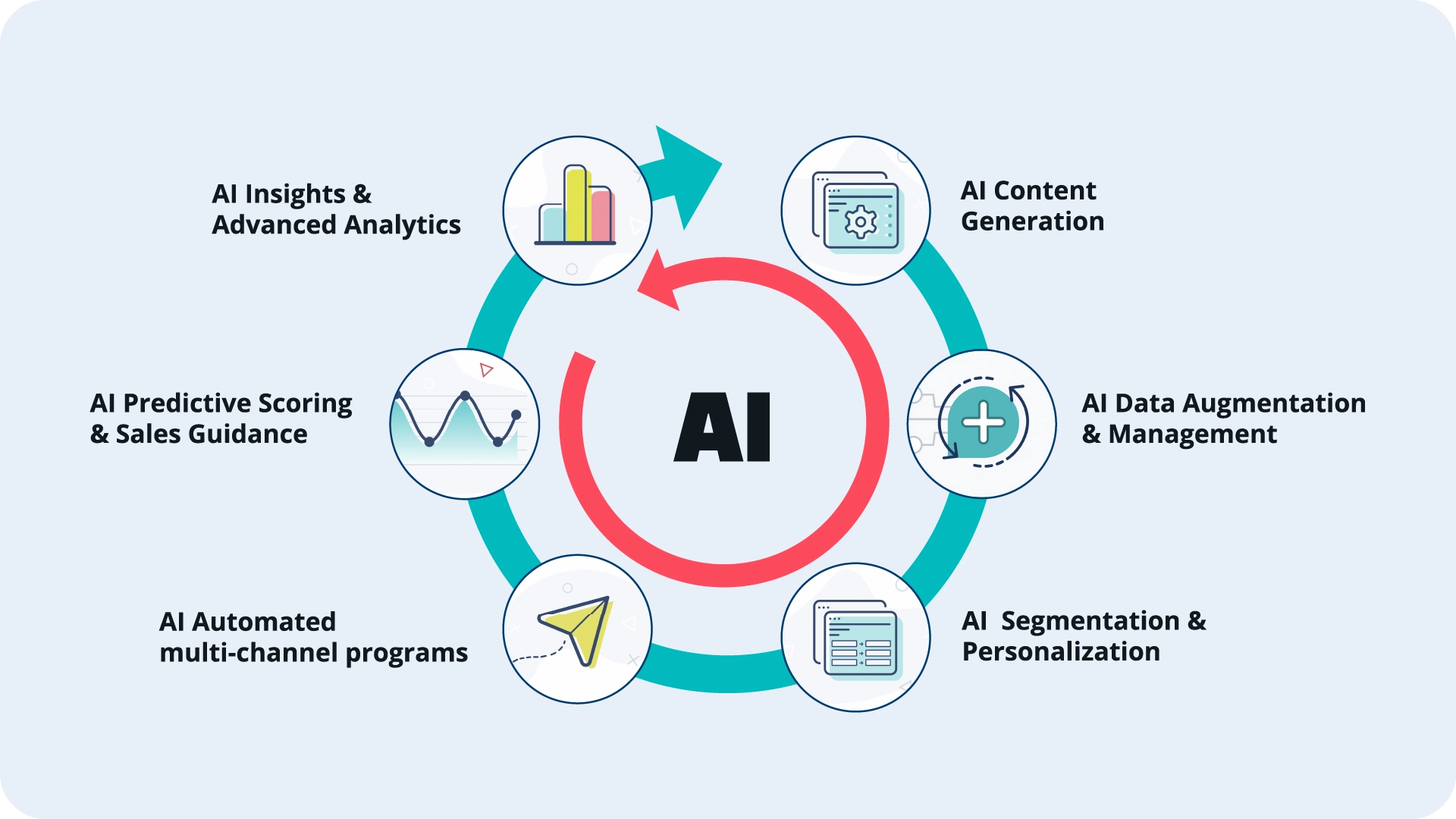
To truly capitalize on the power of AI in your email marketing efforts, you must understand its core benefits. Implementing AI enables you to segment your audience more effectively, create personalized content, and predict user behavior with remarkable accuracy. This means that rather than sending generic emails, you can deliver tailored messages that resonate with each recipient, ultimately driving engagement and conversion rates.
Understanding the benefits of AI-driven email marketing goes beyond just the immediate enhancements to your campaign. By automating and personalizing your approach, you can save time, reduce manual effort, and increase the overall effectiveness of your strategies. This means your team can focus on creative and strategic aspects of marketing, while AI handles the heavy lifting. In a world flooded with competition, this not only helps you stand out but also fosters long-term relationships with your customers through relevance and engagement. Embracing AI in your email marketing isn’t just a smart move—it’s imperative for maximizing your ROI in today’s digital landscape.
Identifying Opportunities for AI Implementation
Clearly, integrating AI into your email marketing strategy requires a keen understanding of your current approach and results. You need to start by analyzing your current email strategy to pinpoint where AI can provide the most value. Look closely at your open rates, click-through rates, and conversion rates. Which campaigns performed the best, and which ones fell flat? Gathering this data will not only help you see the bigger picture but will also illuminate specific areas within your email marketing that could benefit from AI-driven enhancements. For example, if you notice that certain segments of your audience respond better to personalized recommendations, this signals a potential opportunity for AI to tailor content more effectively. Leveraging AI can help you automate these recommendations, increasing engagement and overall performance.
Analyzing Your Current Email Strategy
Opportunities for improvement are often hidden within the metrics you’ve been collecting. Begin by segmenting your audience and analyzing their behaviors to identify patterns. Are certain demographics more engaged with specific types of content? Does one segment respond better to time-sensitive offers compared to another? By diving deep into your analytics, you can uncover insights that indicate where AI could automate personalization efforts based on user behavior. Identifying these trending patterns not only gives you direction for implementing AI but also enables you to devise distinct strategies tailored for segmented audiences, boosting your potential ROI.
Pinpointing Areas for Improvement
Identifying areas for improvement is crucial for maximizing the efficiency of your email campaigns. Look at aspects like segmentation, content relevancy, and timing. Are you sending out generic emails that don’t resonate with your audience? Perhaps your email list isn’t segmented effectively, which could lead to lower engagement rates. AI tools can help you analyze this information and provide data-driven suggestions on how to refine your approach. Moreover, understanding the optimal times to send emails can significantly impact your open and click-through rates, making it imperative to employ AI for enhanced timing analysis.
Understanding which specific aspects of your email marketing could use an upgrade is vital to your overall strategy. Focusing on data-driven insights not only reveals the areas that are underperforming but also paves the way for innovating your email approach. AI can assist in testing various subject lines, content types, and sending times, allowing you to discover what resonates best with your audience. By complementing your existing strategy with AI capabilities, you’ll be poised to drive more effective campaigns and see a clear improvement in your overall email marketing performance.
Choosing the Right AI Tools for Your Email Marketing
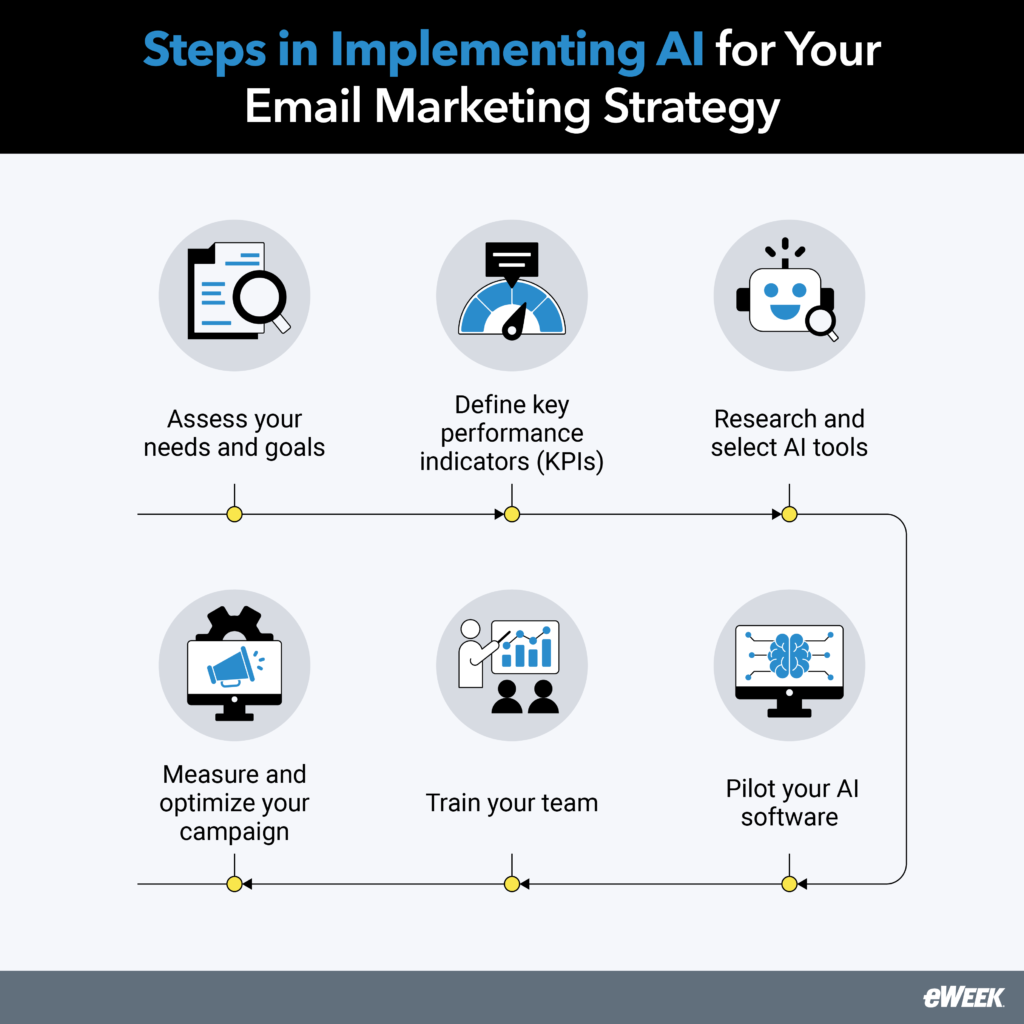
After exploring the immense potential of AI in enhancing your email marketing strategy, the next step is to select the right tools that align with your business goals. With an array of options available on the market, it can be overwhelming to determine which platform best suits your needs. The key lies in identifying AI-powered email marketing platforms that not only harness cutting-edge technology but also provide features tailored to optimize your campaigns effectively.
Overview of AI-Powered Email Marketing Platforms
Choosing the right AI-powered email marketing platform is crucial for maximizing your ROI. These tools are designed to streamline your email initiatives, enabling you to engage with your audience on a deeper level and target them with precision. Various platforms offer unique functionalities, such as behavioral analysis, predictive analytics, and automated content creation. As you navigate your options, focus on finding a solution that enhances your existing marketing efforts and empowers you to make data-driven decisions.
Key Features to Look for in an AI Tool
When evaluating AI tools for your email marketing, you’ll want to prioritize a set of key features that can significantly impact your campaign’s effectiveness and efficiency. Look for the following capabilities:
- Personalization and segmentation – Tailoring content to individual users based on their behavior and preferences.
- Predictive analytics – Utilizing past data to forecast future user behavior and optimize your email timing and content.
- Automated content generation – Enabling the quick production of tailored messages without compromising quality.
- Performance tracking and reporting – Comprehensive analytics to monitor the success of email campaigns and make informed adjustments.
- Integration capabilities – Compatibility with your existing tools such as CRM and social media to ensure a seamless workflow.
- A/B testing features – Simplifying the process of testing different email strategies to see which resonates best with your audience.
To ensure you choose the right AI tool, it’s imperative to dig deeper beyond these features. Look for aspects such as user-friendliness, customer support, and scalability to accommodate your business growth. Thou shall invest time in researching reviews and case studies to gain insights into how these tools have performed for other companies in your industry.
AIPowered tools enable you to revolutionize your email marketing, but the learning curve can be steep. Focusing on these key features will empower you to make an informed decision. Moreover, as you weigh your options, consider leveraging trials and demos to get a practical feel for how the tools function in real-time. This hands-on experience can help identify the platform that not only meets your immediate needs but also adapts as your business evolves. Thou shall not overlook the power of a well-chosen AI tool in transforming your email marketing strategy for maximum ROI.
Crafting AI-Optimized Email Campaigns
To effectively harness the power of AI in your email marketing efforts, it’s crucial to understand how to craft campaigns that resonate with your audience. By implementing AI tools and services, you can elevate your email marketing tactics, resulting in higher engagement and conversion rates. The magic lies in using data to inform your strategies, leading to campaigns that feel tailor-made for each recipient. This chapter will probe into the various facets of crafting AI-optimized email campaigns, setting you on a path to maximize your return on investment.
Personalization Strategies with AI
Email marketing thrives on personalization, and AI can take your personalization strategies to the next level. By analyzing recipient behaviors, preferences, and past interactions, AI algorithms can help you segment your audience in more meaningful ways than ever before. Imagine sending a unique message not just based on demographics but on individual behavior, preferences, and past purchases. This level of specificity can dramatically increase open rates and engagement.
Additionally, AI can assist in creating personalized content that resonates with individual recipients. By utilizing predictive analytics, AI can guide you on what kind of content will be most appealing to specific segments of your audience. Therefore, the more tailored your email messages are, the more likely your recipients will feel valued and engaged, ultimately driving them to take action.
Dynamic Content Generation with AI
An exciting advantage of implementing AI in your email marketing is the ability to generate dynamic content automatically. With AI technology, you can insert content that adapts based on recipient behavior, past interactions, and even real-time data. For instance, if someone frequently clicks on links related to a particular product category, AI can dynamically populate future emails with more content from that category, giving the recipient exactly what they want.
Another key benefit of dynamic content generation is that it can save you time and effort. You no longer have to create separate campaigns for different segments; instead, you can set parameters for your AI system to generate the right content for the right audience automatically. This not only makes your campaigns more efficient but also ensures that each email is relevant and engaging, maximizing the chances of conversion.
AI-Driven Subject Line Optimization
With AI-driven subject line optimization, you’re tapping into a powerful tool that can significantly enhance your email open rates. By utilizing natural language processing and machine learning algorithms, AI can analyze which subject lines have performed well in the past and predict which type of subject lines will catch your audience’s attention moving forward. This level of insight allows you to craft compelling subject lines tailored to the preferences of your audience.
Moreover, AI can test various subject lines using A/B testing techniques, providing you with data on which versions yield better results. This iterative process means you’re consistently refining your approach based on real-time feedback, driving engagement and improving your email campaign’s overall effectiveness.
With AI at your disposal, you can create subject lines that are not only engaging but also strategically timed based on audience behavior. By understanding the optimal time to send emails and aligning subject lines accordingly, you can enhance your chances of catching your reader’s eye and prompting them to open the email.
Measuring and Optimizing AI-Driven Email Campaigns
All the hard work you’ve put into implementing AI in your email marketing can only yield the best results if you actively measure and optimize your campaigns. It’s imperative to establish a systematic approach to analytics that allows you to monitor performance, assess effectiveness, and refine your strategy based on actionable data. By honing in on the metrics that matter, you can ensure that your emails resonate with your audience and lead to increased conversions.
Setting Up Analytics for AI-Driven Campaigns
Optimizing your email campaigns starts with setting up robust analytics tailored for AI-driven approaches. Utilize tools like Google Analytics or specific email marketing platforms equipped with AI features to track engagement metrics such as open rates, click-through rates, and conversion rates. Set conversion goals that align with your overall marketing objectives, and ensure that you can attribute these conversions directly to your email campaigns. By doing so, you’ll gain a clearer picture of how well your AI strategies perform and where improvements can be made.
In addition to general metrics, consider implementing more advanced analytics such as cohort analysis and A/B testing to really drill down into subscriber behavior. Analyzing patterns in how different segments engage with your emails enables you to tailor content and delivery times for maximum impact. The insights you gain from this setup will provide a solid foundation for continually refining your campaigns over time.
Interpreting AI-Generated Insights
Analytics is not just about collecting data; it’s about deriving meaningful insights that can inform your future campaigns. When you have AI-driven tools at your disposal, they can process vast amounts of data quickly and reveal patterns that might not be readily apparent. Use these insights to understand subscriber preferences, optimal sending times, and even what types of content produce the best response. Interpreting this data allows you to make informed decisions that extend beyond simple metrics and into strategic territory.
A deeper explore these AI-generated insights can reveal unique trends, such as predilections for certain topics or styles of engagement. You might discover that your audience prefers personalized content over generalized messaging, or that a specific segment engages better with video content. Understanding these nuances can change the way you craft your campaigns, ultimately leading to increased engagement and higher customer loyalty.
Refining Your Strategy Based on AI-Driven Data
Campaigns thrive on the ability to adapt and evolve, and with AI at your side, you have a powerful ally in refining your strategy. Based on the insights gathered from your performance metrics, it’s important to review your current email architecture and identify which elements warrant adjustment. Whether it means tweaking your subject lines for better open rates or altering your call-to-action for improved conversions, your decisions should be driven by the data you collect.
Strategy refinement doesn’t stop at making superficial changes; it’s about developing a deeper understanding of your audience’s journey. Leverage AI analytics to draw connections between email interactions and overall customer behavior across multiple touchpoints. This holistic view helps you create a more cohesive and aligned marketing strategy that meets the evolving needs and preferences of your audience.
Overcoming Common Challenges in AI-Driven Email Marketing
Once again, as you explore the exciting world of AI-driven email marketing, it’s important to acknowledge that there will be challenges along the way. Embracing AI can feel daunting, but by proactively addressing these issues, you can position your campaigns for optimal success. This chapter aims to equip you with the strategies to overcome common hurdles you may encounter as you integrate AI into your email marketing efforts.
Addressing Concerns about AI Taking Over Human Jobs
With the rise of AI technologies in email marketing, it’s natural to have concerns regarding the potential displacement of human jobs. However, it’s crucial to understand that AI is designed to enhance human capabilities, not replace them. By automating repetitive tasks and analyzing data more efficiently, AI frees up your time to focus on strategic areas where your creative input is invaluable. By viewing AI as an ally, you can leverage its strengths while amplifying the human touch that your audience craves.
Furthermore, implementing AI can actually create new job opportunities in your organization. As AI takes over mundane tasks, the demand for skilled professionals who can oversee AI systems and generate creative content will rise. As you transition to an AI-driven model, consider investing in training and development initiatives that empower your team to adapt and thrive in this evolving landscape.
Ensuring AI-Driven Emails Don’t Feel Robotic
Addressing the concern of robotic-sounding content is crucial for maintaining a personal connection with your audience. While AI excels at data analysis and efficiency, it’s your unique voice that retains the human touch in communication. To prevent emails from sounding mechanical, focus on training your AI systems to incorporate personalized elements such as recipient names, past interactions, and relevant content that resonates with individual users. This personalization ensures that your messages feel tailored and considerate, which is important for nurturing relationships with your subscribers.
To further humanize your AI-driven emails, consider complementing the automation with human oversight. Regularly review and refine the output generated by AI, tweaking language and phrasing to align with your brand’s tone. Incorporating emojis or informal language can help convey warmth and friendliness, ensuring that your emails resonate with readers on a deeper level.
Managing AI-Related Technical Issues
Taking the leap into AI-driven email marketing does come with its fair share of technical challenges. You might face difficulties related to data integration, software compatibility, or managing the learning curve associated with new systems. These obstacles can be frustrating and may require time and resources to resolve. However, confronting these challenges directly will pay dividends in the long run, as efficient systems will lead to more effective campaigns.
Additionally, staying informed and proactively seeking solutions can help you navigate these technical issues. Invest in robust documentation and resources to assist you and your team through potential pitfalls. Creating a dedicated support channel or network of users can also facilitate knowledge-sharing and troubleshooting as you explore the full capabilities of your AI tools.
Challenges related to managing AI can often feel overwhelming, but identifying the components that are causing issues is crucial. By conducting regular audits of your systems and gathering feedback from your team, you can pinpoint areas requiring attention and implement changes effectively. Keep in mind, while technical glitches are a common aspect of implementing new technology, they can be resolved with the right mindset and approach, ultimately leading to a smoother and more efficient email marketing process.
Final Words
Upon reflecting on the transformative potential of AI in your email marketing efforts, it’s clear that the time to act is now. Embracing artificial intelligence isn’t just a trend—it’s a strategic move to maximize your ROI and engage your audience in ways you’ve never imagined. With AI-driven tools at your disposal, you can automate mundane tasks, personalize your communications at scale, and generate insights that will fine-tune your strategies. You have the power to tap into sophisticated algorithms that analyze data and predict customer behavior, which means your emails will reach the right people at the right time with the right message.
This is your invitation to step into the future of email marketing. Don’t let your competitors outpace you; instead, let AI help you craft compelling narratives that resonate with your audience. By implementing these advanced techniques and harnessing the potential of AI, you can cultivate deeper relationships and ultimately drive higher conversions. So, take the leap today—your email marketing efforts will thank you, and your ROI will reflect the smart choices you’ve made. Recall, the future is now, and it’s time to maximize your marketing potential!
FAQ
Q: What are the benefits of using AI in email marketing?
A: Implementing AI in your email marketing can significantly enhance its effectiveness. Key benefits include personalized content recommendations, improved targeting accuracy, automated campaign management, and predictive analytics. AI algorithms can analyze large datasets to identify customer preferences and behaviors, enabling more relevant and timely messaging that can lead to higher engagement rates and improved ROI.
Q: How does AI help with email personalization?
A: AI enhances email personalization by processing vast amounts of customer data to understand individual preferences and behaviors. Through machine learning models, AI can segment audiences effectively and create tailored content that resonates with each recipient. It analyzes factors like past purchase history, browsing behavior, and engagement metrics to deliver personalized subject lines, product recommendations, and dynamic content, fostering a more personalized customer experience and increasing conversions.
Q: Can AI automate my email marketing campaigns?
A: Yes, AI can automate various aspects of email marketing campaigns, significantly reducing manual tasks. AI-driven platforms can automate the segmentation of email lists, schedule optimized sending times, and trigger personalized emails based on user behavior or specific events (like cart abandonment). This level of automation allows marketers to focus on strategy and creativity, while AI handles repetitive and time-consuming tasks, leading to increased efficiency and better results.
Q: What tools or platforms should I consider for AI-driven email marketing?
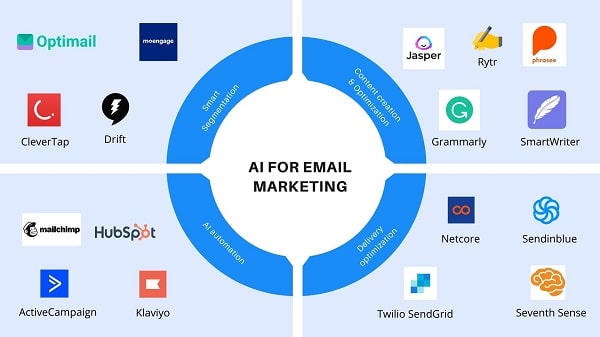
A: When identifying tools for AI-driven email marketing, consider platforms that offer robust analytics, machine learning capabilities, and easy-to-use interfaces. Popular options include HubSpot, Mailchimp, ActiveCampaign, and Klaviyo. These platforms integrate AI features like predictive analytics, personalization capabilities, and automated workflows, making them well-suited for enhancing email marketing strategies and maximizing ROI.
Q: How can I measure the ROI of implementing AI in my email marketing?
A: Measuring the ROI of AI in email marketing involves tracking key performance indicators (KPIs) before and after implementation. Focus on metrics like open rates, click-through rates, conversion rates, and overall sales generated from email campaigns. Additionally, consider the cost savings from automated processes and time efficiencies gained by using AI. By comparing these KPIs over time, you can assess the effectiveness of your AI strategies and their impact on your overall marketing ROI.
Author


Behind the Castle Walls: My Thirty Years at the Happiest Place on Earth
$17.71 (as of October 5, 2026 17:54 GMT +00:00 – More infoProduct prices and availability are accurate as of the date/time indicated and are subject to change. Any price and availability information displayed on [relevant Amazon Site(s), as applicable] at the time of purchase will apply to the purchase of this product.)
48 Laws of Power
$24.78 (as of October 5, 2026 17:53 GMT +00:00 – More infoProduct prices and availability are accurate as of the date/time indicated and are subject to change. Any price and availability information displayed on [relevant Amazon Site(s), as applicable] at the time of purchase will apply to the purchase of this product.)
Vibe: The Secrets of Strong Connections in a Lonely World
$22.40 (as of October 5, 2026 17:54 GMT +00:00 – More infoProduct prices and availability are accurate as of the date/time indicated and are subject to change. Any price and availability information displayed on [relevant Amazon Site(s), as applicable] at the time of purchase will apply to the purchase of this product.)
Conversation: How to Connect with Anyone & Make Every Interaction Count
$17.33 (as of October 5, 2026 17:53 GMT +00:00 – More infoProduct prices and availability are accurate as of the date/time indicated and are subject to change. Any price and availability information displayed on [relevant Amazon Site(s), as applicable] at the time of purchase will apply to the purchase of this product.)


Leave a Reply