
You want your email campaigns to shine, and leveraging AI can significantly boost your open rates and click-through rates (CTR). In today’s digital landscape, cutting through the noise is necessary, and artificial intelligence offers powerful tools to personalize and optimize your messaging. This blog post will guide you through effective strategies to harness AI technology, ensuring your emails not only reach your audience but also engage them in a way that drives results. Get ready to transform your email marketing approach and watch your metrics soar!
Key Takeaways:
- Personalization: Leverage AI algorithms to customize email content based on user behavior and preferences, leading to higher engagement.
- Optimal Timing: Use AI analytics to determine the best time to send emails to your audience, increasing the likelihood of them being opened.
- A/B Testing: Employ AI to automate A/B testing of subject lines and content, helping you identify which variations perform the best in real-time.
- Subject Line Generation: Utilize AI tools to craft compelling subject lines that capture attention and boost open rates effectively.
- Behavioral Insights: Analyze customer interactions with past campaigns using AI to tailor future strategies and improve click-through rates (CTR).
The Power of AI in Email Marketing
While many businesses are still using manual methods for their email marketing campaigns, the integration of Artificial Intelligence (AI) is rapidly transforming the landscape. As a marketer, tapping into AI can significantly enhance your email marketing strategy, increasing both open rates and click-through rates (CTR). This technology not only streamlines your efforts but also allows you to connect with your audience in ways that were previously unimaginable. With AI, you can turn your email campaigns into highly personalized experiences that resonate with your subscribers.

Revolutionizing Personalization
An vital element of successful email marketing is personalization. AI algorithms analyze user behavior, preferences, and past interactions to create tailored content that speaks directly to your audience’s needs. This level of personalization increases engagement, as recipients are more likely to open emails that feel relevant to them. You can leverage AI-driven insights to automate this process, ensuring that each email reflects the recipient’s interests and increases the likelihood of conversion.
Enhanced Segmentation and Targeting
One of the greatest advantages of using AI in your email marketing campaigns is enhanced segmentation and targeting. Traditional segmentation methods often fall short, as they rely heavily on predefined demographics and basic user data. However, AI takes this a step further by analyzing vast amounts of data to identify patterns and trends, allowing you to segment your audience dynamically. By doing so, you can ensure that the right message reaches the right person at the right time, maximizing the impact of your campaigns.
The ability to leverage deep learning and predictive analytics means you can build more sophisticated customer profiles. This allows you to not only segment based on age, gender, or location but also to predict future behavior and preferences. By utilizing these advanced segmentation techniques, your emails become increasingly relevant, amplifying engagement and improving overall campaign performance.
Crafting Compelling Subject Lines with AI
There’s no denying that your email subject line is the gateway to your content. It’s the first impression you make on your audience, and it’s crucial to get it right. A compelling subject line can significantly affect your open rates and click-through rates (CTR). With the right AI tools at your disposal, you can analyze successful campaigns to understand what resonates with your audience. By leveraging data-driven insights, you can create subject lines that not only grab attention but also spur curiosity and encourage further interaction.
Analyzing Top-Performing Subject Lines
Compelling subject lines often share common characteristics that make them stand out in crowded inboxes. By analyzing the top-performing subject lines from your previous campaigns and those of your competitors, you can identify patterns that yield results. Consider factors such as word choice, length, urgency, and personalization. AI can streamline this process by sifting through vast amounts of data and pinpointing the elements that contribute to higher engagement rates. This way, you can iterate and enhance your subject line strategies based on proven concepts.
Using AI-Generated Subject Lines to Boost Open Rates
Using AI-generated subject lines gives you a powerful edge in the email marketing game. These tools can automate the creation of multiple subject line options, drawing on vast datasets to craft phrases that align with the preferences of your target audience. This approach not only saves you time but also infuses a level of innovation and creativity that might be challenging to achieve on your own. You can experiment with various styles, tones, and calls to action, allowing you to identify what generates the highest interest among your readers.
A great advantage of AI is its ability to predict which subject lines are likely to perform better based on data analysis. This takes the guesswork out of crafting your marketing messages. You can fine-tune suggestions until they perfectly align with your email campaign’s goals, ensuring that your subject lines stand out in your audience’s inboxes. With AI, it’s all about leveraging technology to enhance your strategy, making it easier than ever to connect with your audience and increase open rates.

Optimizing Email Content for Maximum Engagement
Unlike conventional methods of crafting email content, leveraging AI technology can significantly enhance your engagement metrics. By integrating artificial intelligence into your email campaigns, you can create personalized, relevant content that resonates with your audience. This targeted approach not only captures attention but also increases the likelihood of conversions. It’s time to shift your mindset and embrace the future of email marketing by harnessing AI-driven insights that optimize your messaging for maximum impact.
AI-Driven Content Recommendations
One of the standout features of AI in email marketing is its ability to provide content recommendations tailored to your audience’s preferences. By analyzing past behavior and engagement patterns, AI can suggest topics, images, and even subject lines that are more likely to resonate with your subscribers. Imagine sending emails that speak directly to your audience’s interests and needs—this is the power of AI-driven insights at work. Incorporating these suggestions into your campaign can lead to significantly higher open rates and improved click-through rates (CTR).
Dynamic Content Optimization for Better CTR
Dynamic content optimization uses real-time data to tailor what each subscriber sees based on their preferences, behavior, and demographics. This means that instead of sending a one-size-fits-all email, you can create a personalized experience that truly speaks to each individual. For instance, if a subscriber has shown interest in certain products, you can automatically adjust your email content to highlight those items, making it more relevant and appealing to them.
Understanding the nuances of dynamic content can drastically improve your CTRs. By using algorithms that determine which content performs best among various segments of your audience, you can continuously refine and adapt your campaigns. This ensures that your emails are not only relevant but also able to pivot with your audience’s preferences over time, driving higher engagement and conversion rates. It’s about creating a seamless, enjoyable experience for your subscribers that keeps them coming back for more. Note, the more personalized and relevant your content, the better your results will be.
Timing is Everything: AI-Powered Send Time Optimization
Once again, you find yourself faced with the challenge of maximizing your email campaign’s effectiveness. One of the critical elements that can make a significant difference in your open rates and click-through rates (CTR) is timing. By tapping into AI-powered send time optimization, you can target your audience when they are most likely to engage with your emails. Leveraging data analytics, you can determine the best times to hit ‘send’ and, in doing so, ensure your content is delivered to the right people at exactly the right moment.
Identifying the Best Send Times for Your Audience
Best practices suggest that understanding your audience’s habits is imperative for optimizing send times. AI algorithms can analyze historical interaction patterns, helping you discern when your subscribers are most likely to check their emails. Whether it’s Monday mornings, Thursday afternoons, or Friday evenings, identifying these peak times can lead to substantial lifts in engagement. Utilizing machine learning, you can continue to refine your strategy based on real-time data, tailoring your send times to match your subscribers’ behaviors over time.
The more personalized you get with your timing, the better the results. You can segment your audience based on different factors like location, time zones, and past engagement, which allows you to create a dynamic sending schedule. With AI as your ally, you won’t just be sending emails; you’ll be sending them at the exact moment they are most likely to be opened, creating a path to greater engagement and conversions.
Avoiding Spam Filters and Boosting Deliverability
Everything you do in your email marketing strategy should focus on avoiding spam filters to ensure your messages reach the inbox. AI-powered tools can help analyze your email content and subject lines, providing insights into potential red flags that might trigger spam filters. By optimizing your emails for deliverability, you can focus on not only getting your messages opened but also ensuring they land in the ideal location for your subscribers—right at the top of their inbox.
Times have changed, and inboxes have become cluttered with emails. To stand out, you need to adopt a strategy that encompasses not just the content of your messages but also their formatting and sending frequency. Ensure your emails maintain a healthy ratio of text to images, are free of spam-triggering keywords, and include a clear unsubscribe option. By following these practices alongside your send time optimization, you’ll not only improve deliverability but also cement trust with your audience, further enhancing the effectiveness of your email campaigns.
Leveraging AI for Advanced Email Automation
Keep in mind that integrating AI into your email campaigns not only enhances efficiency but can also significantly elevate user engagement. Here are some critical ways you can leverage AI for advanced email automation:
- Personalization: Customize your emails based on user behavior and preferences.
- Segmentation: Automatically group your audience into segments for targeted messaging.
- Timing Optimization: Send emails at times when your audience is most likely to engage.
- Predictive Analysis: Use data to forecast future behaviors and preferences.
- Performance Tracking: Analyze open rates and engagement metrics in real-time.
Key Features of AI in Email Automation
| Feature | Benefit |
|---|---|
| Dynamic Content Generation | Enhances engagement by delivering relevant content to users. |
| A/B Testing Automation | Streamlines the testing process for optimal email performance. |
Triggered Emails for Enhanced Customer Experience
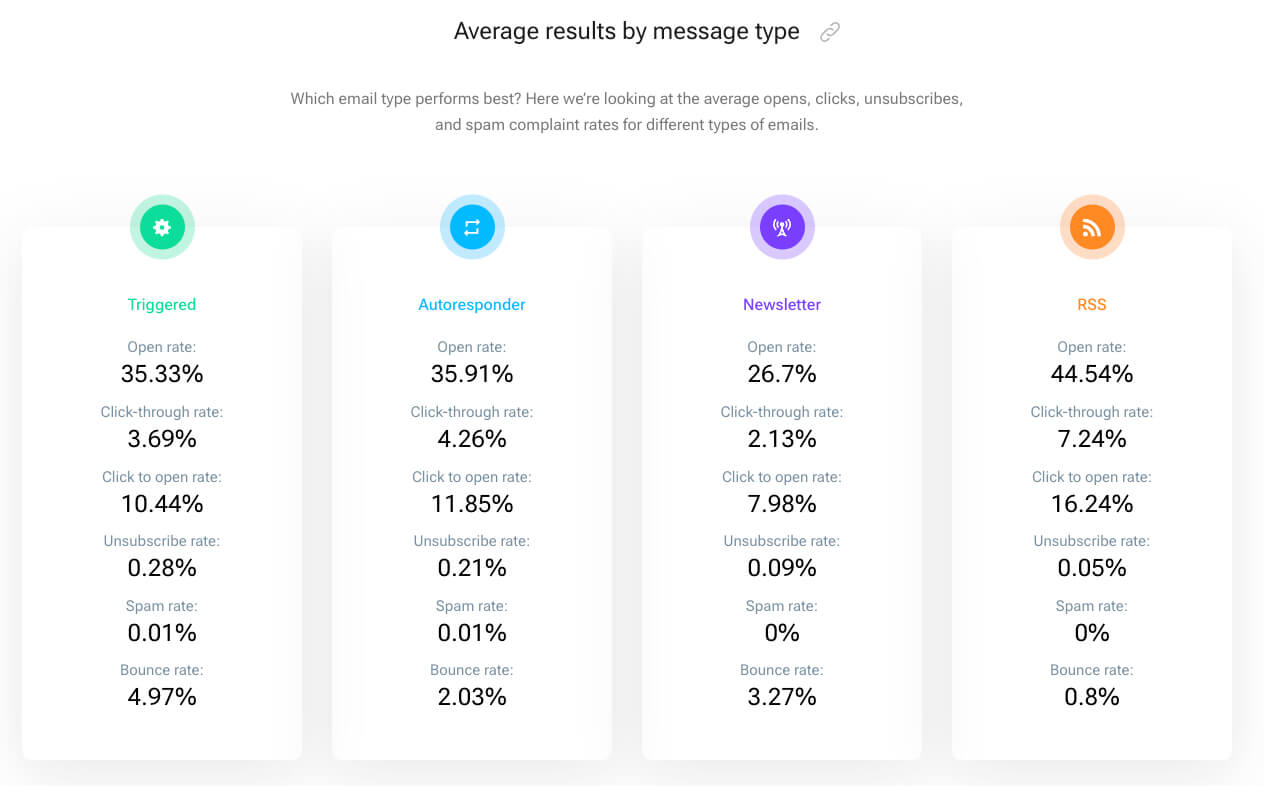
An effective way to engage your audience is through triggered emails. These emails are sent automatically based on specific actions or events in a user’s journey, be it a sign-up confirmation or a reminder for a cart abandonment. This level of responsiveness creates a more personalized experience, making recipients feel valued and more likely to engage with your content.
Moreover, triggered emails provide you with the perfect opportunity to nurture leads or re-engage customers who might have fallen off. For instance, if a user hasn’t interacted in a while, a well-timed re-engagement email can work wonders in pulling them back into your sales funnel.
AI-Driven Workflows for Streamlined Campaigns
Advanced automation capabilities enable you to streamline your email campaigns seamlessly. AI-driven workflows allow you to set up complex sequences that react to user interactions in real-time. These workflows can trigger different actions based on user responses, ensuring that you’re always delivering the right message at the right moment.
Incorporating AI into your workflows means you can effectively respond to user behavior without manual intervention. This not only saves you time but also ensures your email campaigns are systematically optimized for maximum engagement. For instance, if a user opens an email but doesn’t click, your AI automation can trigger a follow-up email with an incentive to foster deeper engagement, enhancing your overall campaign effectiveness.
To take full advantage of AI-driven workflows, you’ll want to outline specific user journeys, enabling your automation to respond accurately to individual behaviors. By doing so, you’ll create a more cohesive experience that resonates with your audience, ultimately increasing your open rates and CTR. Make sure your automation is flexible enough to adapt to changing user behaviors, which is crucial for the long-term success of your email campaigns.
Measuring Success: AI-Enhanced Email Analytics
Your email campaigns can only be as effective as your ability to analyze and adapt them. With AI-enhanced email analytics, you can dig deeper into your campaigns’ performance and gain actionable insights that standard metrics often overlook. By integrating advanced metrics, you can measure not just opens and clicks, but how recipients engage with your emails in ways that inform your future strategies.
Advanced Metrics for Deeper Insights
Success in email marketing isn’t just about getting your message in front of someone but understanding what happens after that. AI tools can help track advanced metrics that provide a more holistic view of your campaign’s effectiveness. This insight allows you to refine your approach, honing in on what truly resonates with your audience. Here are some key metrics you should consider:
- Engagement Rate: Measures interactions with your emails beyond just opens and clicks.
- Time Spent Reading: Indicates how long recipients engage with your content.
- Heat Maps: Visual representations of where recipients click within your emails.
- Conversion Rate per Segment: Allows you to analyze performance by demographic or interest group.
- Bounce Rate Analysis: Distinguishes between hard and soft bounces for clearer insights.
Key Metrics for AI-Powered Email Campaigns
| Metric | Description |
|---|---|
| Engagement Rate | Interactions beyond opens and clicks |
| Time Spent Reading | Average time a recipient spends reading your email |
| Heat Maps | Visual breakdown of click areas within emails |
| Conversion Rate per Segment | Performance analysis by target audience segment |
| Bounce Rate Analysis | Differentiation between hard and soft bounces |
Data-Driven Decision Making with AI
For you to stay ahead in email marketing, leveraging data-driven decision-making is crucial. The beauty of AI lies in its capacity to sift through vast amounts of data and bring relevant insights to the forefront. This not only removes the guesswork out of your strategies but also saves you time and resources. With AI tools in your arsenal, you can make informed choices about content, design, and audience segmentation that lead to enhanced overall performance.
Another great benefit of utilizing AI in your email campaigns is the ability to implement real-time adjustments based on performance feedback. If you notice a dip in engagement for a specific segment, AI can recommend changes to your content or re-target segments while the campaign is still ongoing. This granular level of analysis allows you to continually optimize your strategies, paving the way for improved engagement rates and higher ROI.
To Wrap Up
Following this guide, you now have a toolkit of strategies to boost your email open rates and click-through rates (CTR) using AI-powered campaigns. By harnessing the power of personalization and automation, you can effectively segment your audience and create messages that resonate deeply with them. Keep in mind, it’s not just about sending more emails; it’s about sending the right emails at the right time to the right people. Tracking your metrics will provide valuable insights that you can leverage for continuous improvement, ensuring that each campaign you launch is more effective than the last.
As you implement these AI tools and techniques, don’t forget to embrace experimentation. A/B testing your subject lines, content layouts, and sending times can lead to significant gains in engagement. The beauty of AI is its ability to learn and adapt, so the more you use these insights, the smarter your campaigns will become. Stay committed to refining your approach, and you’ll not only see an uptick in your email performance but also foster stronger relationships with your audience, ultimately driving more conversions and growing your business. Dive in, and let AI take your email marketing to the next level!
FAQ
Q: What are AI-powered email campaigns?
A: AI-powered email campaigns utilize artificial intelligence technologies to analyze data and optimize email marketing strategies. These campaigns can segment audiences, personalize content, predict user behavior, and automate sending times to enhance engagement and improve open rates and click-through rates (CTR). By leveraging machine learning algorithms, marketers can tailor their messaging based on user preferences and past interactions, resulting in more effective email marketing efforts.
Q: How can AI improve email open rates?
A: AI can significantly enhance email open rates by utilizing data analytics to understand recipient behavior better. It can help determine the best times to send emails based on when users are most likely to check their inboxes. Additionally, AI can assist in crafting subject lines using natural language processing, making them more compelling and relevant to the audience. By personalizing the content and optimizing send times, AI contributes to creating emails that recipients are more likely to open.
Q: What role does personalization play in increasing CTR?
A: Personalization is crucial for increasing CTR in email marketing campaigns. AI enables marketers to deliver highly relevant content tailored to individual user preferences and behaviors. By analyzing past interactions and demographic information, AI can suggest product recommendations, special offers, and content that resonates with the recipient. When recipients receive personalized emails that speak directly to their interests, they are more likely to engage, leading to higher click-through rates.
Q: What metrics should I track to measure the success of my AI-powered email campaigns?
A: To measure the success of AI-powered email campaigns, marketers should track several key metrics, including: 1) Open Rates – the percentage of recipients who opened the email; 2) Click-Through Rates (CTR) – the ratio of users who clicked on any link in the email; 3) Conversion Rates – the percentage of users who took a desired action after clicking through; 4) Bounce Rates – the percentage of emails that couldn’t be delivered; and 5) Unsubscribe Rates – the percentage of subscribers who opted out after receiving the email. Monitoring these metrics helps evaluate the campaign’s effectiveness and areas for improvement.
Q: Can AI help with A/B testing in email campaigns?
A: Yes, AI can greatly enhance the A/B testing process in email campaigns. Instead of manually changing one variable at a time (such as subject lines, images, or send times), AI can rapidly analyze multiple variants simultaneously to determine which combinations yield the best results. By continuously learning from user interactions, AI can optimize campaigns in real-time, automatically adjusting elements based on performance data. This not only saves time but also drives better results through data-informed decision-making.
Author


A Fabulous Debt: The Epic Story of How Bonds Built the Modern World
$32.62 (as of October 5, 2026 17:53 GMT +00:00 – More infoProduct prices and availability are accurate as of the date/time indicated and are subject to change. Any price and availability information displayed on [relevant Amazon Site(s), as applicable] at the time of purchase will apply to the purchase of this product.)
Start with Why 15th Anniversary Edition: How Great Leaders Inspire Everyone to Take Action
$17.72 (as of October 5, 2026 17:53 GMT +00:00 – More infoProduct prices and availability are accurate as of the date/time indicated and are subject to change. Any price and availability information displayed on [relevant Amazon Site(s), as applicable] at the time of purchase will apply to the purchase of this product.)
Gouged: The End of a Fair Price–and What That Means for Your Wallet
$14.18 (as of October 5, 2026 17:54 GMT +00:00 – More infoProduct prices and availability are accurate as of the date/time indicated and are subject to change. Any price and availability information displayed on [relevant Amazon Site(s), as applicable] at the time of purchase will apply to the purchase of this product.)
The Art of Fighting: The Transformative Power of Conflict
$17.33 (as of October 5, 2026 17:54 GMT +00:00 – More infoProduct prices and availability are accurate as of the date/time indicated and are subject to change. Any price and availability information displayed on [relevant Amazon Site(s), as applicable] at the time of purchase will apply to the purchase of this product.)


Leave a Reply