
As you scroll through your inbox, you’re likely to come across emails that seem almost too personalized, too tailored to your interests. That’s because they’re driven by artificial intelligence, designed to learn your habits and preferences. But have you stopped to think about the potential cost of this convenience? As AI-driven emails become increasingly sophisticated, they’re also raising important questions about your privacy and personal data security. In this post, we’ll explore the implications of this technology and what it means for you – and your sensitive information.
Key Takeaways:
- Personalization vs. Privacy: AI-driven emails may offer personalized experiences, but they also raise concerns about the collection and use of personal data. Be cautious about the information you share, and ensure you understand how it will be used.
- Data Mining and Analysis: AI algorithms can analyze vast amounts of data to create targeted email campaigns. However, this also means that your personal data may be mined and shared with third-party organizations, potentially compromising your privacy.
- Increased Phishing Risks: AI-generated emails can be incredibly convincing, making it difficult to distinguish between legitimate and phishing emails. Be vigilant when receiving emails, and never provide sensitive information or click on suspicious links.
- GDPR and Regulatory Compliance: As AI-driven emails become more prevalent, regulatory bodies will need to address the privacy implications. Ensure you understand your rights under GDPR and other regulations, and hold companies accountable for protecting your personal data.
- Transparency and Consent: It’s crucial to know how your personal data is being used and to give informed consent. Look for companies that prioritize transparency and provide clear opt-out options, and be prepared to take control of your personal data.
The Rise of AI-Driven Emails
Before we explore the potential implications of AI-driven emails on your privacy and personal data security, it’s vital to understand the context behind their growing popularity.
The Growing Popularity of AI-Powered Email Tools
AIPowered email tools have become increasingly prevalent in recent years, with many businesses and individuals adopting them to streamline their email communication. The ability to automate tasks, such as email filtering and response generation, has made these tools an attractive solution for those looking to save time and increase productivity.
The Benefits of AI-Driven Emails: Efficiency and Personalization
One of the primary advantages of AI-driven emails is their ability to enhance efficiency and personalization. By leveraging machine learning algorithms, these emails can be tailored to individual recipients, increasing the likelihood of engagement and conversion.
The use of AI-driven emails allows you to send targeted, relevant messages to your audience, which can lead to improved open rates, click-through rates, and ultimately, revenue growth. Additionally, AI-powered email tools can help you automate routine tasks, freeing up more time for you to focus on high-value activities. However, as we’ll explore later, this increased efficiency and personalization come with potential risks to your privacy and personal data security.
The Privacy Concerns
Even as AI-driven emails promise to revolutionize the way you communicate, there are pressing concerns about the impact on your privacy and personal data security.
Data Collection and Storage: What’s at Stake?
For instance, AI-driven email systems collect and store vast amounts of data about your communication patterns, preferences, and behaviors. This raises questions about who has access to this data, how it’s being used, and what measures are in place to protect it.
The Risks of Unsecured Data and Potential Breaches
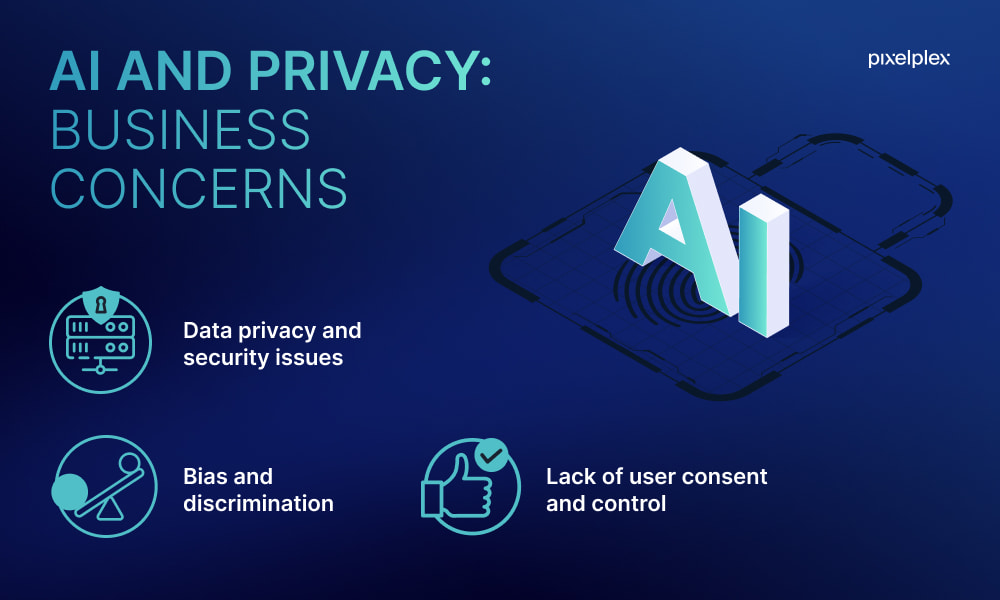
Collection of sensitive information through AI-driven emails creates a treasure trove for cybercriminals. If this data falls into the wrong hands, you risk becoming a victim of identity theft, financial fraud, or even blackmail.
Unsecured data can lead to devastating consequences. Imagine receiving an email that appears to be from a trusted source, but is actually a phishing scam designed to extract sensitive information. The more data that’s collected, the greater the risk of it being compromised.
The Blurred Lines Between Personal and Professional Communication
Between work and personal life, AI-driven emails can create an uncomfortable overlap. As your professional and personal relationships become intertwined, you may unwittingly share sensitive information or reveal more about yourself than you intended.
To make matters worse, AI-driven email algorithms may not always distinguish between personal and professional communication. This could lead to embarrassing situations or even career-damaging consequences. As you rely more on AI-driven emails, it’s imperative to be aware of these blurred lines and take steps to maintain a clear separation between your personal and professional life.
The Dark Side of Personalization
Keep in mind that AI-driven emails are designed to make you feel special, but beneath the surface lies a complex web of data collection and analysis. As you receive emails that seem to know you better than you know yourself, it’s crucial to recognize the potential risks to your privacy and personal data security.
How AI-Driven Emails Can Create a False Sense of Intimacy
On the surface, personalized emails can create a sense of connection, making you feel like the sender truly understands your needs and preferences. However, this perceived intimacy can be misleading, as AI algorithms are simply processing vast amounts of data to create a tailored message.
The Unsettling Feeling of Being Watched: AI’s Surveillance Capabilities
Create a mental image of a constant observer, monitoring your online activities, and you’ll begin to grasp the scope of AI’s surveillance capabilities. Your digital footprint is being tracked, and this information is used to craft emails that are eerily relevant to your interests.
Watched and analyzed, your online behavior is transformed into a treasure trove of data, allowing AI algorithms to build a detailed profile of your preferences, habits, and desires. This level of surveillance can be unsettling, to say the least, and raises significant concerns about your privacy and personal data security.
The Manipulation of Emotions: AI’s Influence on Decision-Making
Unsettling as it may seem, AI-driven emails can manipulate your emotions, influencing your decision-making processes in subtle yet powerful ways. By leveraging psychological insights and behavioral data, AI algorithms can craft messages that appeal to your emotional vulnerabilities, nudging you toward specific actions or purchases.
Emails that tap into your emotions can be incredibly persuasive, making it crucial to recognize when you’re being manipulated. As you receive emails that seem to understand your deepest desires or fears, remember that AI algorithms are at work, using your personal data to sway your decisions.
The Security Risks
Many AI-driven email systems rely on machine learning algorithms to analyze and process vast amounts of user data. While this can lead to more personalized and efficient communication, it also creates new vulnerabilities that can be exploited by cybercriminals.
Phishing Attacks and Social Engineering: New Threats in AI-Driven Emails
On the surface, AI-driven emails may seem more sophisticated and less prone to phishing attacks. However, the increased use of personal data and behavioral analysis can actually make you more susceptible to targeted phishing attacks and social engineering tactics.
The Vulnerability of AI Systems to Cyber Attacks
Risks of cyber attacks are inherent in any system that relies on machine learning and data analysis. AI-driven email systems are no exception, and their vulnerability to cyber attacks can have devastating consequences for your personal data and privacy.
This is because AI systems can be manipulated by feeding them false or biased data, which can lead to incorrect conclusions and compromised security. Furthermore, the complexity of AI algorithms can make it difficult to identify and respond to potential threats in a timely manner.
The Consequences of a Security Breach: Identity Theft and Financial Loss
Vulnerability to cyber attacks can have severe consequences, including identity theft and financial loss. If your personal data is compromised, you may be left dealing with the aftermath of stolen identities, fraudulent transactions, and damaged credit scores.
Breach of your personal data can also have long-term consequences, such as ongoing identity theft and financial fraud. Moreover, the emotional distress and anxiety caused by a security breach can be just as damaging as the financial losses.
The Regulatory Landscape
Keep in mind that the AI-driven email landscape is rapidly evolving, and regulations are struggling to keep pace. As you navigate this new terrain, it’s necessary to understand the current state of laws and regulations governing AI-driven emails and your personal data.
Current Laws and Regulations: Are They Enough?
An examination of existing laws and regulations reveals a patchwork of guidelines that often fall short of providing adequate protection for your personal data. The General Data Protection Regulation (GDPR) in the European Union and the California Consumer Privacy Act (CCPA) in the United States are notable exceptions, but even these laws have limitations.
The Need for Stricter Guidelines and Enforcement
On the surface, it may seem like existing regulations are sufficient, but a closer look reveals significant gaps in enforcement and accountability.
Guidelines for responsible AI development and deployment are crucial, but they must be accompanied by robust enforcement mechanisms to ensure compliance. Without strict guidelines and consequences for non-compliance, tech companies may prioritize profits over your privacy and security.
The Role of Tech Companies in Protecting User Data
They have a critical role to play in safeguarding your personal data, but can you trust them to do so?
Current practices suggest that many tech companies prioritize data collection and monetization over user privacy. To restore trust, companies must adopt transparent and accountable data handling practices, prioritizing your privacy and security above profit motives.

Taking Control of Your Data
After understanding the potential risks associated with AI-driven emails, it’s necessary to take proactive steps to protect your personal data and privacy.
Best Practices for Protecting Your Personal Data
For starters, be cautious when sharing your email address, and avoid using public computers or unsecured networks to access your email accounts. Also, use strong passwords, enable two-factor authentication, and regularly update your email client’s software to prevent vulnerabilities.
Opting Out: The Right to Refuse AI-Driven Emails
With the increasing use of AI-driven emails, you have the right to refuse them and protect your personal data from being harvested and used for targeted advertising.
Taking control of your inbox means being mindful of the emails you receive and the companies you interact with. If you’re concerned about AI-driven emails, look for opt-out options or unsubscribe links in the emails you receive. You can also set up filters or labels to categorize and prioritize your emails, giving you more control over what you see and engage with.
Demanding Transparency: Holding Companies Accountable
AIDriven email marketing campaigns often rely on collecting and analyzing your personal data. It’s crucial to hold companies accountable for their data collection practices and ensure they’re transparent about how they use your information.
Emails that use AI-driven technology should clearly disclose how your data will be used and provide you with options to opt-out or control the data collected. As a consumer, it’s your right to demand transparency and accountability from companies that collect and use your personal data. By doing so, you can help create a culture of responsibility and respect for individual privacy.
Conclusion
Now that you’ve probed into the world of AI-driven emails, it’s necessary to be aware of the potential risks they pose to your privacy and personal data security. As AI technology advances, it’s crucial to stay vigilant and take control of your digital footprint. Be mindful of, every email you send or receive has the potential to compromise your sensitive information. By being mindful of these risks, you can take steps to protect yourself and ensure that the benefits of AI-driven emails don’t come at the cost of your privacy.
FAQ
Q: What is AI-driven email and how does it impact my privacy?
A: AI-driven email refers to the use of artificial intelligence and machine learning algorithms to generate and send personalized emails to customers or users. This technology can analyze a vast amount of data, including personal information, browsing history, and online behavior, to create targeted and relevant content. While AI-driven email can enhance the user experience, it also raises concerns about privacy, as it involves the collection and analysis of sensitive data. This can lead to potential breaches of personal data security and compromise individual privacy.
Q: How do AI-driven emails collect and use my personal data?
A: AI-driven emails typically collect personal data through various sources, including website cookies, social media profiles, customer relationship management (CRM) systems, and other online interactions. This data is then used to create detailed profiles of individuals, which are used to personalize email content, offers, and recommendations. The data collected may include sensitive information such as names, addresses, phone numbers, email addresses, browsing history, purchase history, and other online activities. While this data collection is often done with the intention of improving user experience, it can also be used for targeted advertising, lead generation, and other purposes that may compromise individual privacy.
Q: Can AI-driven emails lead to data breaches and cyber attacks?
A: Yes, AI-driven emails can increase the risk of data breaches and cyber attacks. The collection and storage of large amounts of personal data create a lucrative target for hackers and cybercriminals. If the systems used to store and process this data are not secure, it can lead to unauthorized access, data theft, and other cyber attacks. Additionally, AI-driven emails may also be used to spread malware, phishing scams, and other types of cyber threats. It is vital for individuals and organizations to implement robust security measures to protect against these risks.
Q: How can I protect my privacy and personal data from AI-driven emails?
A: To protect your privacy and personal data from AI-driven emails, it is vital to be aware of the data collection practices and take steps to control the flow of your personal information. Here are some tips: (1) Be cautious when providing personal data online, (2) Use strong passwords and enable two-factor authentication, (3) Use privacy-enhancing browser extensions and VPNs, (4) Opt-out of data collection and targeted advertising, (5) Use encryption to protect sensitive data, and (6) Regularly monitor your online accounts and credit reports for suspicious activity.
Q: What regulations and laws govern AI-driven emails and personal data security?
A: AI-driven emails and personal data security are governed by various regulations and laws, including the General Data Protection Regulation (GDPR) in the European Union, the California Consumer Privacy Act (CCPA) in California, and the CAN-SPAM Act in the United States. These regulations aim to protect individual privacy and personal data by imposing strict guidelines on data collection, storage, and use. Organizations must comply with these regulations to avoid legal consequences and reputational damage. Individuals should also be aware of their rights under these regulations and take steps to exercise control over their personal data.
Author


Crucial Conversations (Third Edition): Tools for Talking When Stakes Are High
$15.61 (as of October 5, 2026 17:53 GMT +00:00 – More infoProduct prices and availability are accurate as of the date/time indicated and are subject to change. Any price and availability information displayed on [relevant Amazon Site(s), as applicable] at the time of purchase will apply to the purchase of this product.)
Unreasonable Hospitality: The Remarkable Power of Giving People More Than They Expect (The Unreasonable Hospitality Collection)
$14.53 (as of October 5, 2026 17:53 GMT +00:00 – More infoProduct prices and availability are accurate as of the date/time indicated and are subject to change. Any price and availability information displayed on [relevant Amazon Site(s), as applicable] at the time of purchase will apply to the purchase of this product.)
Inside DOGE
$13.91 (as of October 5, 2026 17:54 GMT +00:00 – More infoProduct prices and availability are accurate as of the date/time indicated and are subject to change. Any price and availability information displayed on [relevant Amazon Site(s), as applicable] at the time of purchase will apply to the purchase of this product.)
Conversation: How to Connect with Anyone & Make Every Interaction Count
$17.33 (as of October 5, 2026 17:53 GMT +00:00 – More infoProduct prices and availability are accurate as of the date/time indicated and are subject to change. Any price and availability information displayed on [relevant Amazon Site(s), as applicable] at the time of purchase will apply to the purchase of this product.)


Leave a Reply