
Email marketing has undergone significant transformations with the advent of artificial intelligence, leaving many to wonder if these changes are beneficial or detrimental. As you navigate the complexities of your marketing strategy, it’s vital to understand how AI tools are shaping campaign effectiveness and customer engagement. In this post, we investigate into insights from industry experts, exploring both the advantages and potential pitfalls of AI in email marketing, helping you make informed decisions for your business’s future.
Key Takeaways:
- Personalization: AI has dramatically improved the ability to create personalized content, which can enhance customer engagement in email marketing.
- Automation: While AI streamlines email campaigns and automates sending processes, over-reliance on automation can lead to a loss of human touch in communications.
- Data Privacy: Concerns around privacy and data protection are rising, with AI tools sometimes raising ethical questions regarding data usage in email marketing.
- Spam Filters: AI algorithms can trigger spam filters more easily if emails are not carefully crafted, which poses a challenge for marketers aiming to reach their audience.
- Continuous Adaptation: Marketers need to continually adapt their strategies and understand AI changes to stay effective in their email marketing efforts.

The Current Landscape of Email Marketing
As you navigate the ever-evolving terrain of digital marketing, it’s crucial to understand the current state of email marketing. With billions of emails sent daily, your approach must adapt to changing consumer behaviors and technological advancements. While traditional strategies remain effective, emerging tools and methodologies, including artificial intelligence (AI), are redefining how brands connect with their audiences.
Historical Evolution of Email Marketing
Any discussion about email marketing’s landscape should begin with its historical evolution. Emerging in the late 1970s and gaining traction in the 1990s, email marketing started as a basic tool for communication. Over time, it transformed into a sophisticated channel, integrating personalized content, segmentation, and automation, ultimately becoming a fundamental aspect of digital marketing strategies.
The Role of AI in Modern Email Strategies
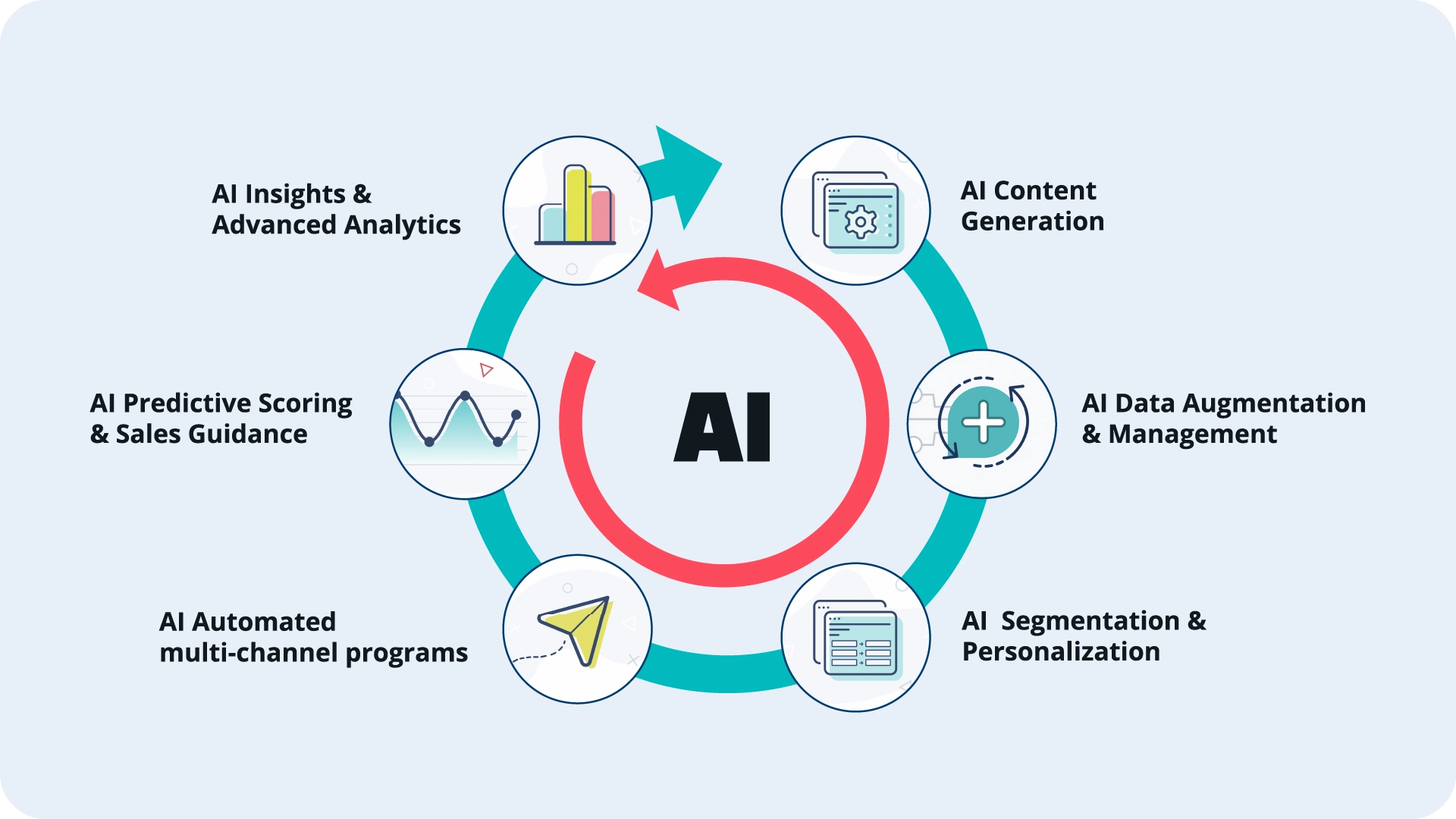
The integration of AI in your email marketing strategies has revolutionized how you engage with your audience. By leveraging data analytics and machine learning, AI can personalize content, optimize send times, and even predict customer behavior, enhancing the effectiveness of your campaigns. This allows you to create tailored experiences for each subscriber, significantly improving engagement and conversion rates.
Email marketing strategies fundamentally benefit from AI through various applications. For instance, AI-powered platforms can analyze subscriber data to tailor recommendations, thus increasing open and click-through rates. Furthermore, machine learning algorithms can segment your audience more accurately, delivering relevant content to specific groups. This level of personalization not only enhances user satisfaction but also drives sales with efficiency, positioning your brand for long-term success in a competitive marketplace.
Challenges Facing Traditional Email Marketing
Email marketing, despite its proven track record, faces numerous challenges in the modern landscape. As consumers become inundated with promotional messages, capturing and retaining their attention is increasingly difficult. Additionally, issues like deliverability and compliance with regulations such as GDPR can further complicate your email marketing efforts, requiring constant vigilance and strategic planning.
Marketing professionals are continually confronted with the challenge of standing out amidst a crowded inbox. High unsubscribe rates and low engagement can result from unoptimized campaigns that fail to resonate with your audience. Moreover, the evolution of privacy regulations emphasizes the importance of ethical practices in data collection, necessitating a more strategic approach to ensure your messages not only reach the inbox but also foster trust and loyalty among your subscribers.
Understanding Artificial Intelligence
Some marketing professionals view artificial intelligence (AI) as a game-changer, while others see it as a challenge. To truly understand AI’s impact on email marketing, it’s necessary to grasp its definition and types.
Definition and Types of AI
An AI, or artificial intelligence, refers to the simulation of human intelligence processes by machines, particularly computer systems. There are several types of AI, categorized based on their capabilities and applications:
| Type | Description |
| Reactive Machines | Basic systems that react to specific inputs. |
| Limited Memory | AI that uses past experiences to inform future decisions. |
| Theory of Mind | AI that understands emotions and social dynamics (still in development). |
| Self-aware AI | AI with self-awareness, currently theoretical. |
| Artificial General Intelligence (AGI) | AI can understand and learn any intellectual task that a human can. |
The definition of AI can encompass a range of applications, from data analysis to customer service enhancements.
How AI is Implemented in Marketing
With the rise of digital marketing, AI has become an integral tool. You’ll find it being implemented in various ways to streamline processes, personalize customer interactions, and optimize campaigns.
Types of AI applications in marketing include predictive analytics, chatbots for customer service, customer segmentation, and email content optimization. Utilizing ML algorithms, businesses analyze past behaviors to predict future actions, leading to enhanced personalization in campaigns. This helps in sending the right message to the right audience at the right time.
Benefits of AI for Email Marketing
Intelligence through AI allows marketers to gain valuable insights that elevate their email marketing efforts. You can create more targeted campaigns and nurture leads effectively.
Definition of the benefits of AI for email marketing includes improved targeting, automation, enhanced personalization, and increased efficiency. By applying AI-driven strategies, you’ll experience higher open rates and conversion, ultimately boosting your return on investment.

Expert Opinions on AI’s Impact
Despite the advancements in technology, the debate continues regarding AI’s influence on email marketing strategies. Many experts have differing views on whether AI integration enhances or undermines the approach to reaching consumers.
Views from Marketing Professionals
An increasing number of marketing professionals argue that AI tools streamline processes such as segmentation and personalization, allowing you to engage your audience more effectively. However, some express concerns that relying too heavily on AI may lead to a lack of authenticity in messaging.
Insights from Data Analysts
Insights from data analysts indicate that while AI can drive significant improvements in data processing and predictive analytics, it also raises concerns about data privacy and consumer trust. You need to consider these factors while leveraging AI for your campaigns.
Opinions within the field suggest that AI’s ability to analyze large data sets can provide actionable insights, enhancing targeting strategies and increasing campaign effectiveness. However, they caution against using AI without a solid understanding of data ethics, emphasizing that your approach should maintain transparency with your audience.
Perspectives from AI Developers
With the rapid evolution of AI technology, many developers believe that integrating AI into email marketing can greatly enhance user experience and engagement. They emphasize the importance of creating solutions that balance automation with creativity.
From the perspective of AI developers, the key to successful implementation lies in crafting algorithms that prioritize personalization without sacrificing the human touch. They advocate for continuous feedback loops to refine AI systems, ensuring that your marketing efforts align with genuine customer needs and preferences.
Ethical Considerations in AI-Driven Email Marketing
All marketers must grapple with the ethical implications of AI technology in email marketing. Responsible practices are important to maintain consumer trust and loyalty while leveraging AI’s capabilities. This includes not only safeguarding users’ data but also ensuring transparency in how AI influences communications and decisions made regarding customer interactions.
Privacy Concerns
With AI’s ability to analyze vast amounts of data, there arise significant privacy concerns. You might find that AI systems in email marketing can track user behavior extensively, raising questions about consent and data security. It’s crucial to establish robust privacy policies that assure your audience their information is handled with care.
Transparency Issues
One critical aspect of ethical AI-driven email marketing is transparency. You should understand how AI algorithms make decisions that affect your communication with customers, including the content they see and the timing of messages. Being transparent about these processes helps cultivate a sense of trust with your audience.
Understanding the importance of transparency means knowing that your customers deserve clarity about how their data is used. By openly communicating the role AI plays in your marketing strategies, you empower consumers to make informed decisions. This also includes being explicit about your data sources and how personalization algorithms work, allowing your customers to feel respected and valued.

Responsible Use of AI
AIdriven marketing strategies necessitate responsible use to avoid pitfalls that could damage your brand’s reputation. You must prioritize ethical standards, ensuring that your AI applications align with societal values and do not exploit vulnerable populations.
To ensure responsible use of AI, it’s vital to establish ethical guidelines that dictate how you implement these technologies. This could involve setting limits on data collection and prioritizing fairness in targeting. Additionally, continually reviewing AI algorithms can help you mitigate biases and ensure that your marketing efforts are respectful and equitable, ultimately fostering a positive relationship with your audience.
The Future of Email Marketing
For many marketers, the future of email marketing appears to be intricately tied to advancements in AI technology. As tools become more sophisticated, they offer the potential to enhance your campaigns in unprecedented ways, from crafting individualized content to optimizing send times based on recipient behavior.
Predictions for AI Advancement
Any expert you consult will likely underscore the transformative potential of AI in email marketing. Predictions suggest that AI will enable hyper-personalization, allowing marketers to anticipate customer needs and preferences with remarkable precision, ultimately increasing engagement and conversion rates.
Balancing Automation and Personalization
One important aspect of your email strategy should involve finding the right balance between automation and personalization. While automated systems can save you time, ensuring that your emails still resonate on a personal level is critical for maintaining a genuine connection with your audience.
Understanding this balance is imperative for your success in email marketing. You should leverage automation to manage routine tasks while still inserting elements tailored to the specific interests and behaviors of your subscribers. Personal touches, such as using the recipient’s name or referencing past purchases, can foster a sense of loyalty and significantly enhance engagement rates.
Emerging Trends in Email Communication
An exciting trend in your email marketing future involves the integration of interactive content and advanced analytics. These elements are set to reshape the way you communicate, making emails not just informative but also engaging and actionable for your audience.
The evolution towards interactive content—such as polls, quizzes, and embedded videos—allows you to create a more dynamic experience for your subscribers. Coupled with deep analytics, you can continually refine your email strategies based on real-time data, enabling you to not only meet but exceed your audience’s expectations in an ever-changing digital landscape.
Best Practices for Integrating AI into Email Marketing
Unlike traditional methods, integrating AI into your email marketing strategy can significantly enhance your outreach and engagement. However, to achieve the best results, you need to follow certain best practices that optimize the use of AI while maintaining a personal touch with your audience.
Designing Effective AI-Driven Campaigns
To create AI-driven campaigns that resonate with your audience, focus on personalization and targeting. Leverage data-driven insights to segment your email list and craft tailored messages. This ensures that your content is relevant, timely, and engaging for each recipient, ultimately boosting your campaign’s effectiveness.
Measuring Success with AI Analytics
Measuring your email marketing success with AI analytics provides you with valuable insights into campaign performance and user behavior. By analyzing metrics such as open rates, click-through rates, and conversion rates, you can make informed adjustments to improve engagement and drive results.
The use of AI analytics tools allows you to track these metrics in real-time, making it easier to identify trends and patterns. You can also conduct A/B testing to determine which elements work best for your audience. This data-driven approach ensures your email marketing strategy remains dynamic and responsive to user preferences.
Combining AI with Human Touchpoints
The key to an effective email marketing strategy lies in blending AI technology with authentic human interactions. While AI can automate tasks and personalize content, retaining a personal touch in your communications fosters stronger connections with your audience.
For instance, consider using AI-generated insights to craft personalized email content, then incorporate a human element by inviting recipients to reply with their thoughts or questions. This creates an opportunity for meaningful engagement, allowing you to build relationships that go beyond transactional communications. By combining the efficiency of AI with genuine human interaction, you’ll create a more holistic marketing approach that resonates deeply with your audience.
Final Words
Presently, the consensus among experts is that AI is not ruining email marketing; rather, it is transforming it for the better. By leveraging AI tools, you can enhance personalization, optimize targeting, and improve engagement rates. However, it’s crucial to balance automation with authentic human connection to maintain your audience’s trust. As you navigate these changes, focusing on ethical practices and understanding consumer preferences will empower you to harness AI effectively in your email marketing strategies.
FAQ
Q: Is AI technology negatively impacting the effectiveness of email marketing strategies?
A: While some marketers are concerned that AI may diminish the personal touch of email campaigns, many experts believe that AI can enhance effectiveness. By analyzing user data and preferences, AI can help in creating more tailored and relevant content, ultimately improving open rates and engagement. The key is to strike a balance between automation and personalization to maintain the human element in communication.
Q: Can AI help in segmenting email lists for better targeting?
A: Yes, AI is particularly adept at analyzing large volumes of data to identify patterns and trends. This ability enables marketers to segment their email lists more effectively based on user behavior, demographics, and engagement levels. By leveraging AI for segmentation, brands can send more targeted campaigns that resonate with specific audience groups, thereby increasing conversion rates.
Q: Are there concerns regarding data privacy with the use of AI in email marketing?
A: Absolutely. With increasing scrutiny on data privacy and regulations like GDPR and CCPA, marketers must be diligent about how they collect, store, and utilize data through AI. Experts advise transparency in data handling practices and ensuring compliance with regulations to build customer trust and avoid potential legal repercussions. Data privacy should be a priority, even when implementing advanced AI technologies.
Q: How can AI improve the content of email marketing campaigns?
A: AI can significantly enhance content creation through predictive analysis and natural language processing (NLP). This technology allows marketers to understand what types of content are likely to resonate with their audience, as well as generate subject lines and body text that drive higher engagement. By using AI-driven analytics, marketers can also continuously optimize their content based on performance metrics.
Q: Will AI replace human marketers in the future of email marketing?
A: While AI will significantly change how email marketing is executed, it is unlikely to fully replace human marketers. Instead, experts suggest that AI will serve as an crucial tool that enhances human decision-making and creativity. The combination of AI’s efficiency in data analysis and a marketer’s intuition and emotional intelligence will create more impactful marketing strategies, allowing for agility and responsiveness to market changes.
Author


Conversation: How to Connect with Anyone & Make Every Interaction Count
$17.33 (as of October 5, 2026 17:53 GMT +00:00 – More infoProduct prices and availability are accurate as of the date/time indicated and are subject to change. Any price and availability information displayed on [relevant Amazon Site(s), as applicable] at the time of purchase will apply to the purchase of this product.)
Thinking, Fast and Slow
$21.66 (as of October 5, 2026 17:53 GMT +00:00 – More infoProduct prices and availability are accurate as of the date/time indicated and are subject to change. Any price and availability information displayed on [relevant Amazon Site(s), as applicable] at the time of purchase will apply to the purchase of this product.)
The Social Security Money Code: How to Choose the Right Time to Claim, Avoid Costly Medicare & Tax Mistakes + Maximize Every Dollar of Retirement Income You’ve Earned
$10.29 (as of October 5, 2026 17:54 GMT +00:00 – More infoProduct prices and availability are accurate as of the date/time indicated and are subject to change. Any price and availability information displayed on [relevant Amazon Site(s), as applicable] at the time of purchase will apply to the purchase of this product.)
Procrastinators Get Stuff Done: How to Go from Overwhelmed to Finished
$18.89 (as of October 5, 2026 17:54 GMT +00:00 – More infoProduct prices and availability are accurate as of the date/time indicated and are subject to change. Any price and availability information displayed on [relevant Amazon Site(s), as applicable] at the time of purchase will apply to the purchase of this product.)


Leave a Reply