
In today’s crowded marketplace, having a strong brand identity is no longer a nice-to-have, but a must-have. You need to differentiate your business from the competition and create an emotional connection with your target audience. Your brand identity is more than just a logo or a color scheme – it’s the essence of your business, encompassing your values, personality, and mission. By crafting a powerful brand identity, you’ll be able to establish trust, build loyalty, and drive growth. In this post, we’ll explore the important elements of a standout brand identity and provide actionable tips to help you create one that truly resonates with your audience.
Key Takeaways:
- Define Your Unique Value Proposition (UVP): Clearly articulate what sets your brand apart from competitors and resonates with your target audience. This will help you create a distinctive brand identity that stands out in a crowded market.
- Know Your Target Audience Inside Out: Understand their needs, desires, pain points, and values to create a brand identity that speaks directly to them. This will help you build a strong emotional connection with your audience and establish a loyal customer base.
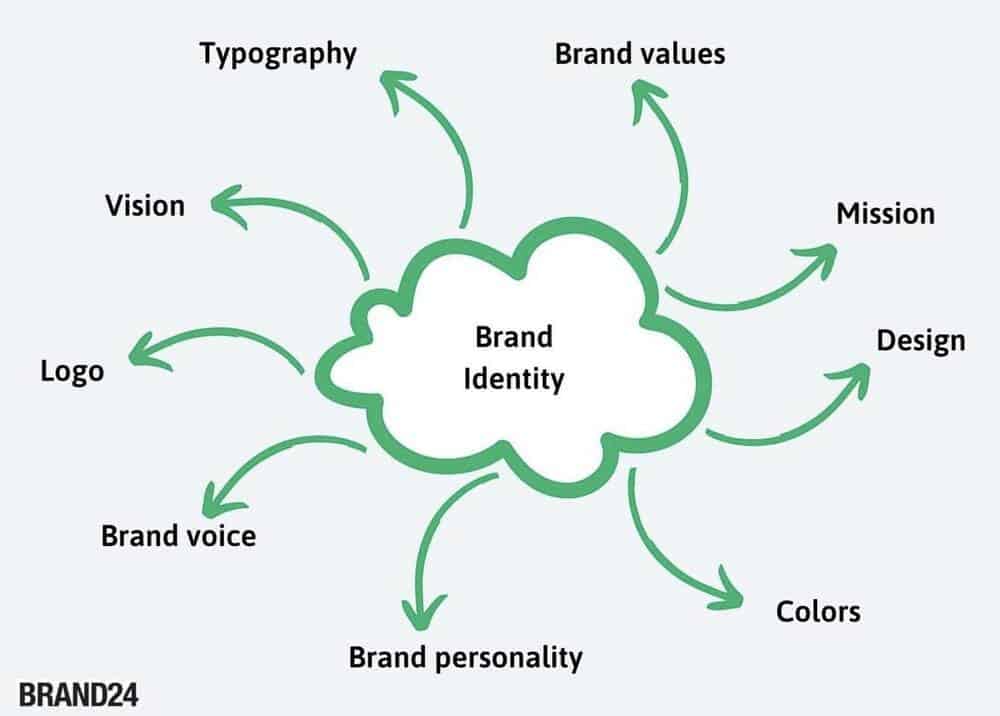
- Develop a Consistent Visual Identity: Create a cohesive visual brand language that includes a unique color palette, typography, imagery, and logo. This will help you build recognition and establish a strong brand presence across all touchpoints.
- Tell a Compelling Brand Story: Craft a narrative that communicates your brand’s values, mission, and purpose. This will help you create an emotional connection with your audience and make your brand more relatable and memorable.
- Be Authentic and Consistent: Ensure that your brand identity is genuine, transparent, and consistent across all channels and interactions. This will help you build trust and credibility with your audience and establish a strong brand reputation.
Defining Brand Identity
Before you start building your brand, it’s necessary to define what makes it unique. Your brand identity is the culmination of your values, mission, and personality, all wrapped up in a visual and tone-of-voice package that resonates with your target audience.
What is Brand Identity?
By distilling your brand’s essence into a clear and concise identity, you’ll be able to communicate your value proposition effectively and consistently across all touchpoints. This identity will serve as the foundation for all your marketing efforts, guiding your messaging, visuals, and tone.
Importance in Today’s Competitive Market
Competitive brands are those that stand out in a crowded marketplace, and a strong brand identity is key to achieving this. [It’s a decision that will make or break your brand’s success.] With so many options available to consumers, a unique and recognizable brand identity is necessary for capturing attention and building loyalty.
At the heart of a successful brand identity is a deep understanding of your target audience and their needs. By developing a brand identity that speaks directly to them, you’ll be able to build trust, establish credibility, and ultimately drive business growth. [It’s a decision that will set you apart from the competition and drive long-term success.]
The Foundation of Brand Identity
Even before you start thinking about logos, colors, and typography, you need to establish a solid foundation for your brand identity. This foundation is built on your brand’s purpose, values, and mission. It’s the essence of who you are, what you stand for, and why you exist. A strong foundation will help you create a consistent and authentic brand voice that resonates with your target audience.
Brand Identity vs. Brand Image and Brand Personality
Behind every successful brand is a clear understanding of the difference between brand identity, brand image, and brand personality. Your brand identity is the reality of your brand, while your brand image is how others perceive it. Your brand personality is the human-like traits that make your brand relatable and memorable. By distinguishing between these three, you’ll be able to craft a brand identity that accurately reflects your values and mission.
Building a Strong Foundation for Marketing and Communication Efforts
Across all marketing channels, a strong brand identity serves as a guiding light for your communication efforts [Decide on a core message that resonates with your target audience]. It helps you create consistent messaging, visual aesthetics, and tone of voice that resonates with your audience. With a solid foundation, you’ll be able to adapt to changing market trends and customer needs without losing your brand’s essence.
The benefits of building a strong foundation for your marketing and communication efforts cannot be overstated. When you have a clear brand identity, you’ll be able to create targeted campaigns that speak directly to your audience’s needs and desires. You’ll also be able to measure the effectiveness of your marketing efforts more accurately, making data-driven decisions to optimize your strategy [Define key performance indicators (KPIs) to measure brand success]. By doing so, you’ll be able to build a loyal customer base that advocates for your brand, driving long-term growth and success.

Essential Elements of a Powerful Brand Identity
Unlike a fleeting trend, a powerful brand identity is built to last, and it’s comprised of several key elements that work together to create a lasting impression. These crucial components will help you establish a strong foundation for your brand, ensuring that you stand out in a crowded market and resonate with your target audience.
Brand Name and Logo: Memorability and Visual Appeal
Before you can build a powerful brand identity, you need a strong foundation, and that starts with your brand name and logo. This is often the first impression people have of your brand, so it’s crucial to get it right. [Make sure your brand name and logo are unique and memorable, as they’ll be representing your brand for years to come.]
Color Palette: Emotional Impact and Perception
Visually, your color palette is one of the most recognizable aspects of your brand, and it can evoke emotions and convey meaning. [Choose a palette that aligns with your brand’s personality and values, as it will help create an instant connection with your audience.]
Indeed, your color palette is more than just a aesthetic choice; it’s a strategic decision that can influence how people perceive your brand. By selecting a palette that resonates with your target audience, you can create an emotional connection that drives loyalty and engagement.
Typography: Reflecting Brand Personality through Fonts
Among the many elements that make up your brand identity, typography is often overlooked, but it plays a significant role in conveying your brand’s personality. [Select fonts that reflect your brand’s tone and style, as they’ll help create a consistent visual language.]
Memorability is key when it comes to typography, as it can make or break the recognition of your brand. By choosing fonts that are unique and consistent, you can create a visual identity that’s instantly recognizable, making it easier for your audience to connect with your brand.
Imagery and Design Style: Creating Cohesion and Brand Recall
Many elements come together to create a powerful brand identity, but imagery and design style play a significant role in setting your brand apart. By developing a consistent visual language, you can create an instant connection with your audience and build brand recognition. Your imagery and design style should reflect your brand’s personality, values, and mission, ensuring that every visual element works together to tell a cohesive story.
Visual Storytelling and Brand Identity
By leveraging visual elements, you can convey complex messages and emotions in a way that words alone cannot. Your brand’s visual identity should be an extension of its personality, using imagery and design to evoke feelings and create connections with your audience.
Consistency Across Touchpoints
Across all platforms and touchpoints, your brand’s visual identity should remain consistent, reinforcing your message and building recognition. This consistency is key to creating a strong brand identity that resonates with your audience.
Identity is built through repetition, so it’s important to ensure that your visual identity is consistent across all touchpoints, from your website and social media to advertising and packaging. By maintaining a cohesive look and feel, you can create a sense of familiarity and trust with your audience, making them more likely to engage with your brand and become loyal customers.
Crafting a Brand That Resonates with Your Target Audience
Not every brand resonates with its target audience, but yours can. To create a brand that truly connects with your audience, you need to probe deeper into their needs, desires, and pain points. By doing so, you’ll be able to craft a brand identity that speaks directly to them, building trust, loyalty, and ultimately, driving business growth.
Understanding Your Audience: Demographics, Psychographics, and Needs
Uncovering the intricacies of your target audience is key to creating a brand that resonates with them. You need to go beyond demographics and explore their psychographics, values, and needs. What motivates them? What problems do they face? What are their goals and aspirations?
Creating a Relatable Brand Persona
Your brand persona is the humanized version of your brand, and it’s important to get it right. By creating a relatable persona, you’ll be able to connect with your audience on a deeper level, building trust and loyalty.
Persona development involves giving your brand human-like characteristics, such as values, personality traits, and tone of voice. This will help you create content, messaging, and experiences that resonate with your audience, making them feel seen, heard, and understood.
Consistency Across Online, In-Store, and Messaging Platforms
Brand consistency is vital in creating a cohesive brand identity that resonates with your audience. You need to ensure that your brand message, visual identity, and tone of voice are consistent across all touchpoints, from your website to social media, in-store experiences, and messaging platforms.
Considering the various channels your audience interacts with, it’s important to create a brand style guide that outlines the dos and don’ts of your brand identity. This will help you maintain consistency, ensuring that your audience receives a unified brand experience, regardless of how they interact with your brand.

Building an Emotional Connection with Your Audience
Your brand identity is not just about aesthetics; it’s about creating a deep emotional connection with your audience. When you resonate with your audience on an emotional level, you build trust, loyalty, and advocacy. This connection is what sets you apart from competitors and makes your brand memorable.
The Power of Storytelling in Branding
Before you can create an emotional connection, you need to tell a story that resonates with your audience. Storytelling is a powerful tool that helps you convey your values, mission, and purpose. It humanizes your brand and makes it relatable, allowing your audience to connect with you on a deeper level.
Tapping into Customer Values and Aspirations
At the heart of every successful brand is a deep understanding of its customers’ values and aspirations. When you tap into these, you create a sense of belonging and shared purpose, which is vital for building an emotional connection.
The key to tapping into customer values and aspirations is to conduct thorough research and gather insights into their motivations, desires, and pain points. This will help you create a brand identity that resonates with them on a fundamental level.
Examples of Brands that Create Emotional Connections
Brands like Apple, Nike, and Coca-Cola have mastered the art of creating emotional connections with their audiences. They’ve managed to transcend their products and services, becoming synonymous with values, lifestyles, and experiences.
Another great example is Dove, which has built a brand identity centered around empowerment and self-acceptance. By tapping into the values and aspirations of its target audience, Dove has created a loyal following and become a leader in the beauty industry.
Differentiating Your Brand from Competitors
Once again, it’s time to think strategically about your brand’s unique position in the market. You need to stand out from the competition and create a distinct identity that resonates with your target audience. This requires a deep understanding of your competitors and what sets your brand apart.
Conducting a Competitive Analysis
Behind every successful brand is a thorough analysis of the competition. You need to research your competitors, identify their strengths and weaknesses, and understand their marketing strategies. This will help you identify gaps in the market and opportunities to differentiate your brand.
Finding Your Unique Value Proposition (UVP)
After conducting a competitive analysis, you’ll have a better understanding of what makes your brand unique. Your UVP is the reason why customers should choose your brand over others. It’s the unique benefit or solution that only your brand can offer.
Differentiating your brand through a unique value proposition is imperative in today’s competitive market. You need to clearly define what sets your brand apart and communicate this message consistently across all marketing channels. This will help you attract your target audience and build a loyal customer base.
Communicating What Makes Your Brand Unique
Beside creating a unique value proposition, you need to effectively communicate this message to your target audience. [It’s imperative to develop a consistent brand voice and visual identity to reinforce your UVP.] You need to craft a compelling brand story that resonates with your audience and sets your brand apart from the competition.
Analysis of your competitors and target audience will help you develop a messaging framework that effectively communicates your UVP. You need to tailor your message to your audience’s needs and preferences, and consistently reinforce this message across all marketing channels. [Consistency is key to building a strong brand identity that resonates with your target audience.]
Real-World Examples of Standout Brand Identities
Many successful brands have crafted identities that truly stand out and resonate with their target audiences. By examining these examples, you can gain valuable insights into what makes a brand identity powerful and effective.
Brands that Successfully Differentiate Themselves
Examples of brands like Apple, Nike, and Tesla demonstrate how a unique brand identity can set a company apart from its competitors. [Deciding on a bold and consistent visual identity is necessary to making your brand recognizable.] These brands have created distinctive personas, tone, and aesthetics that are instantly recognizable and memorable.
Lessons Learned from Successful Brand Identities
After analyzing the brand identities of companies like Amazon, Google, and Starbucks, you’ll notice that they all share certain characteristics that contribute to their success. To craft a powerful brand identity, you must identify what sets your brand apart and consistently communicate that difference across all touchpoints.
To take your brand identity to the next level, focus on creating a unique value proposition that resonates with your target audience. This will help you build a loyal customer base and establish a strong reputation in your industry. By studying the examples of successful brands, you can develop a deeper understanding of what makes a brand identity truly stand out and apply those lessons to your own brand-building efforts.
Staying Relevant and Evolving Your Brand Identity
Now that you’ve established a strong brand identity, it’s vital to stay relevant and adapt to changes in the market and customer expectations. Your brand identity should evolve to remain competitive and continue resonating with your target audience.
Adapting to Changing Market Trends and Customer Expectations
Brand longevity depends on your ability to stay attuned to shifting market trends and customer expectations. By doing so, you can refine your brand identity to better meet their needs and stay ahead of the competition.
Examples of Brands that Successfully Evolved Their Identity
Against the backdrop of changing consumer preferences, brands like Old Spice and Lego have successfully revamped their identities to appeal to new generations of customers. [It’s vital to recognize when your brand needs a refresh to stay relevant.]
Relevant examples of brand evolution include Old Spice’s shift from a traditional, masculine brand to a more playful, humorous one, and Lego’s expansion from a toy manufacturer to a lifestyle brand. [It’s vital to stay true to your brand’s core values during the evolution process.]
Tips for Refreshing or Rebranding
Any brand refresh or rebranding effort requires careful consideration of your target audience, market trends, and brand values. Conduct thorough market research, gather feedback from customers, and assess your brand’s strengths and weaknesses to inform your decisions.
Trends in consumer behavior, technology, and design can inspire new ideas for your brand refresh. Consider the following tips:
- Conduct a brand audit to identify areas for improvement.
- Develop a clear brand strategy and messaging framework.
- The key to a successful brand refresh is to strike a balance between evolution and consistency.
Common Mistakes to Avoid in Brand Identity Development
For a brand identity to truly stand out, you need to be aware of the common pitfalls that can dilute your message and confuse your audience.
Lack of Consistency Across Touchpoints
Avoid sending mixed signals by ensuring your brand’s visual and tone-of-voice elements are cohesive across all platforms, from social media to packaging to advertising.
Ignoring Target Audience Needs and Preferences
The biggest mistake you can make is assuming you know what your target audience wants without doing the research to back it up [it’s imperative to conduct surveys, focus groups, or interviews to get a deep understanding of your audience].
And when you neglect to consider your audience’s needs, you risk creating a brand identity that falls flat or, worse, alienates them altogether [the success of your brand depends on resonating with your target audience].
Failing to Differentiate from Competitors
To truly stand out in a crowded market, you need to identify what sets your brand apart and amplify those differences through your brand identity.
Identity is not just about aesthetics; it’s about communicating your unique value proposition and showcasing what makes your brand special, so don’t be afraid to take risks and try new things to differentiate yourself from the competition.
Measuring the Success of Your Brand Identity
To ensure your brand identity is effective, you need to measure its success. This involves tracking key metrics that indicate how well your brand is resonating with your target audience. By monitoring these metrics, you’ll be able to identify areas for improvement and make data-driven decisions to refine your brand identity.
Key Performance Indicators (KPIs) for Brand Identity
Before you start measuring the success of your brand identity, you need to establish clear KPIs. These may include website traffic, social media engagement, customer acquisition costs, and brand recognition metrics. By tracking these KPIs, you’ll be able to gauge the effectiveness of your brand identity and make adjustments accordingly.
Tracking Brand Awareness and Customer Engagement
About the only way to know if your brand identity is resonating with your target audience is to track brand awareness and customer engagement metrics. [It’s necessary to set specific goals for brand awareness and customer engagement to measure success.] This includes monitoring social media mentions, customer reviews, and website analytics to see how users are interacting with your brand.
In addition to tracking these metrics, you should also conduct regular surveys or focus groups to gather feedback from customers and non-customers alike. This will provide valuable insights into how your brand is perceived and areas for improvement.
Using Data to Refine Your Brand Identity
Between measuring the success of your brand identity and making adjustments, lies the process of refining your brand identity. By analyzing the data you’ve collected, you’ll be able to identify areas where your brand identity is falling short and make targeted improvements.
Indeed, refining your brand identity is an ongoing process that requires continuous monitoring and adaptation. By using data to inform your decisions, you’ll be able to create a brand identity that truly resonates with your target audience and sets you apart from the competition.
Overcoming Challenges in Brand Identity Development
All brand identity development processes encounter obstacles that can hinder progress and impact the final outcome. It’s imperative to anticipate and address these challenges proactively to ensure your brand identity resonates with your target audience.
Managing Stakeholder Feedback and Expectations
After gathering input from various stakeholders, you’ll need to synthesize their feedback and manage their expectations. This involves prioritizing comments, addressing concerns, and communicating decisions clearly to avoid confusion and misalignment.
Balancing Creativity with Business Objectives
With a clear understanding of your business goals, you must balance creative expression with strategic objectives. [Decide how much creative freedom to give your design team.]
Identity development requires a delicate balance between artistic vision and commercial viability. By setting clear guidelines and encouraging open communication, you can ensure that your brand identity is both visually appealing and strategically aligned.
Dealing with Crisis Communications and Brand Reputation
Managing a crisis effectively is critical to maintaining a positive brand reputation. [Develop a contingency plan to address potential crises.]
At the onset of a crisis, it’s imperative to respond promptly, transparently, and empathetically. By having a plan in place, you can mitigate the damage and protect your brand’s reputation. This involves identifying key stakeholders, crafting clear messaging, and executing a timely response strategy.
Best Practices for Maintaining a Strong Brand Identity
Despite the effort you put into crafting a powerful brand identity, it’s easy to let it fall by the wayside over time. To avoid this, it’s imperative to establish best practices for maintaining a strong brand identity that resonates with your audience.
Regularly Reviewing and Refining Your Brand Identity
After launching your brand, it’s imperative to regularly review and refine your brand identity to ensure it remains relevant and effective. This involves assessing your brand’s performance, gathering feedback from customers and stakeholders, and making adjustments as needed.
Investing in Employee Brand Ambassadors
Identity is not just about visual elements; it’s also about the people who represent your brand. Investing in employee brand ambassadors can help bring your brand to life and create a more authentic, humanized experience for your customers.
This is especially important because employees are often the face of your brand, interacting with customers and representing your brand values and personality. By empowering them with the knowledge and resources they need, you can create a team of passionate brand advocates who will help spread your brand message.
Fostering a Culture of Brand Consistency
Brand consistency is key to building a strong brand identity. To achieve this, you need to foster a culture where everyone in your organization understands and lives your brand values, messaging, and visual identity.
In fact, consistency is what sets strong brands apart from weak ones. When everyone is on the same page, you can create a cohesive brand experience that resonates with your audience and sets you apart from the competition. By establishing clear guidelines and providing ongoing training and support, you can ensure that everyone in your organization is working together to build a powerful brand identity.
To wrap up
With this in mind, you now have the tools to craft a powerful brand identity that truly stands out and resonates with your target audience. By understanding your unique value proposition, developing a consistent visual brand, and creating an emotional connection with your customers, you’ll be well on your way to building a brand that leaves a lasting impression. Take the time to refine your brand identity, and you’ll reap the rewards of increased recognition, loyalty, and ultimately, business success.
FAQ
Q: What is the importance of having a strong brand identity?
A: Having a strong brand identity is necessary in today’s competitive market as it helps businesses differentiate themselves from their competitors, build trust and loyalty with their target audience, and ultimately drive growth and revenue. A well-crafted brand identity communicates a brand’s values, personality, and mission, making it more relatable and memorable to customers.
Q: How can I develop a unique brand voice that resonates with my target audience?
A: To develop a unique brand voice, start by understanding your target audience’s needs, values, and preferences. Analyze your competitors’ brand voices and identify what sets you apart. Then, define your brand’s tone, language, and personality traits. Consistency is key, so ensure that your brand voice is reflected across all marketing channels, including social media, website content, and advertising.
Q: What role does visual identity play in building a powerful brand?
A: Visual identity plays a vital role in building a powerful brand as it communicates a brand’s personality, values, and message through visual elements such as logos, color schemes, typography, and imagery. A well-designed visual identity helps to create an instant connection with the target audience, builds recognition, and sets a brand apart from its competitors. It’s necessary to ensure that your visual identity is consistent across all touchpoints to build a strong brand image.
Q: How can I ensure that my brand identity is consistent across all marketing channels?
A: To ensure consistency, establish a brand style guide that outlines the usage of your brand’s visual identity, tone, and language. This guide should be shared with all team members, partners, and vendors involved in creating brand content. Regularly audit your marketing channels to ensure that they align with your brand style guide. Additionally, consider implementing a centralized content management system to streamline content creation and distribution.
Q: How often should I update my brand identity to stay relevant?
A: It’s necessary to periodically assess your brand identity to ensure it remains relevant and resonates with your evolving target audience. Consider updating your brand identity every 3-5 years or when significant changes occur in your business, such as a merger, acquisition, or shift in target audience. However, it’s equally important to maintain consistency and avoid frequent changes that may confuse your audience.
Author


Limitless Daily: 366 Keys to Train Your Brain, Master Your Mind & Win Every Day
$27.49 (as of October 7, 2026 16:08 GMT +00:00 – More infoProduct prices and availability are accurate as of the date/time indicated and are subject to change. Any price and availability information displayed on [relevant Amazon Site(s), as applicable] at the time of purchase will apply to the purchase of this product.)
A Fabulous Debt: The Epic Story of How Bonds Built the Modern World
$32.62 (as of October 7, 2026 16:08 GMT +00:00 – More infoProduct prices and availability are accurate as of the date/time indicated and are subject to change. Any price and availability information displayed on [relevant Amazon Site(s), as applicable] at the time of purchase will apply to the purchase of this product.)
I Will Teach You to Be Rich: No Guilt. No Excuses. Just a 6-Week Program That Works (Second Edition)
$9.15 (as of October 7, 2026 16:07 GMT +00:00 – More infoProduct prices and availability are accurate as of the date/time indicated and are subject to change. Any price and availability information displayed on [relevant Amazon Site(s), as applicable] at the time of purchase will apply to the purchase of this product.)
The Social Security Money Code: How to Choose the Right Time to Claim, Avoid Costly Medicare & Tax Mistakes + Maximize Every Dollar of Retirement Income You’ve Earned
$10.29 (as of October 7, 2026 16:08 GMT +00:00 – More infoProduct prices and availability are accurate as of the date/time indicated and are subject to change. Any price and availability information displayed on [relevant Amazon Site(s), as applicable] at the time of purchase will apply to the purchase of this product.)


Leave a Reply