
To stand out in today’s crowded market, you need a content marketing strategy that resonates with your target audience and sets your brand apart from the competition. Your goal is to create content that speaks directly to your customers’ needs, builds trust, and ultimately drives conversions. In this article, we’ll show you how to develop a winning content marketing strategy that attracts and engages your ideal customers, helping you achieve your business objectives and stay ahead of the curve.
Key Takeaways:
- Define Your Target Audience: Understand who your ideal customer is, their pain points, and what motivates them to take action. This will help you create content that resonates with them and addresses their specific needs.
- Set Clear Goals and Objectives: Establish specific, measurable, achievable, relevant, and time-bound (SMART) goals for your content marketing strategy. This will help you focus your efforts and measure the success of your content.
- Develop a Content Calendar: Plan and organize your content in advance using a content calendar. This will help you ensure consistency, reduce last-minute scrambles, and make the most of your resources.
- Create Valuable and Relevant Content: Focus on creating high-quality, engaging, and informative content that provides value to your target audience. This can include blog posts, videos, infographics, podcasts, and more.
- Measure and Optimize Performance: Continuously monitor and analyze the performance of your content using metrics such as website traffic, engagement, and conversion rates. Use this data to refine your strategy, adjust your tactics, and improve your results over time.
The Power of Content Marketing
The power of content marketing lies in its ability to connect with your target audience, build trust, and drive conversions. By creating high-quality, relevant, and valuable content, you can establish your brand as an authority in your industry, increase brand awareness, and ultimately drive business growth.
Why Content Marketing Matters in Today’s Digital Landscape
To thrive in today’s digital landscape, you need a marketing strategy that resonates with your audience. Content marketing matters because it allows you to cut through the noise, speak directly to your customers, and provide them with the information they need to make informed purchasing decisions.
The Role of a Well-Planned Strategy in Attracting and Engaging Customers
Customers today are savvy and discerning, and they expect personalized, relevant, and timely content that speaks to their needs and interests. A well-planned content marketing strategy helps you understand your audience, create content that resonates with them, and deliver it at the right time and through the right channels.
Landscape has changed dramatically, and customers now have more control over the buying process than ever before. They’re doing their research, reading reviews, and comparing prices before making a purchase. A well-planned content marketing strategy helps you stay ahead of the curve by providing valuable content that educates, entertains, and inspires your audience, ultimately driving them closer to a sale.

Understanding Your Audience
If you want to create a winning content marketing strategy, you need to start by understanding your audience. Who are they? What are their pain points? What motivates them? Knowing your audience inside and out is the foundation of creating content that resonates with them and drives results for your business.
The Importance of Knowing Your Target Audience
Besides helping you create more effective content, knowing your target audience also helps you allocate your resources more efficiently and make informed decisions about your marketing strategy [by identifying the most profitable segments to focus on].
Tools and Methods to Gather Insights
To gather valuable insights about your audience, you can use tools like Google Analytics, social media listening tools, and customer surveys [by leveraging these tools, you’ll be able to collect data that will help you create buyer personas].
Hence, it’s crucial to have a mix of quantitative and qualitative data to get a comprehensive understanding of your audience. This includes analyzing website traffic patterns, engagement metrics, and customer feedback to identify trends and patterns that can inform your content strategy [by doing so, you’ll be able to create content that resonates with your audience].
How Audience Knowledge Helps in Crafting Relevant Content
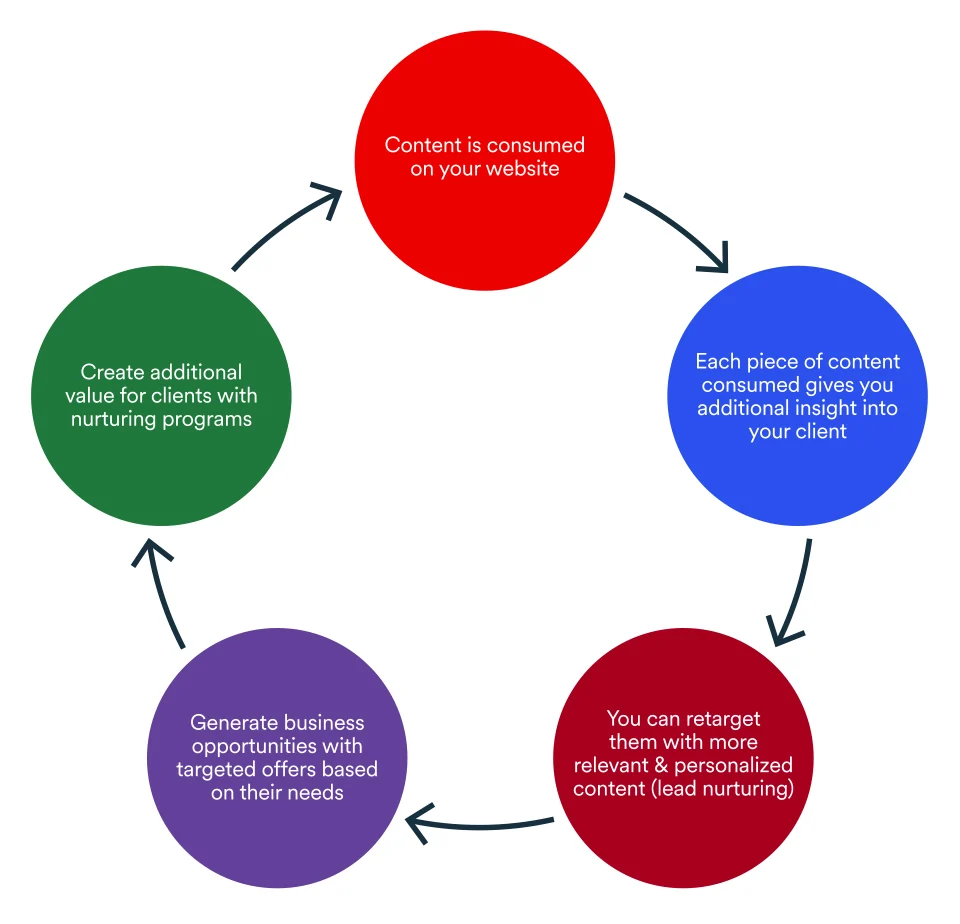
For instance, when you know your audience’s pain points, interests, and motivations, you can create content that speaks directly to them, addressing their specific needs and concerns.
In fact, having a deep understanding of your audience enables you to create content that is tailored to their specific stage in the buyer’s journey, increasing the chances of conversion and driving business results [by doing so, you’ll be able to move your audience through the sales funnel more effectively].
Setting Clear Objectives and Goals
For any content marketing strategy to be successful, you need to set clear objectives and goals that align with your business needs. This involves defining what you want to achieve through your content marketing efforts, whether it’s generating leads, increasing brand awareness, or driving sales. By setting specific goals, you can measure the effectiveness of your strategy and make data-driven decisions to optimize your content.
Defining Measurable Goals
For instance, instead of having a vague goal like “increasing website traffic,” you can set a measurable goal like “increasing website traffic by 20% in the next quarter.” [Decide on the metrics that matter most to your business and focus on those.]
Aligning Content Strategy with Overall Business Goals
Goals that are not aligned with your overall business objectives can lead to wasted resources and effort. Your content strategy should support and contribute to your business’s overall success.
Overall, your content marketing goals should be an extension of your business goals. This means that if your business goal is to increase sales, your content marketing goal should be to create content that drives conversions and supports the sales funnel.
Examples of SMART Goals in Content Marketing
For example, a SMART goal in content marketing could be “to increase the number of leads generated from the blog by 15% within the next 6 months by publishing at least 2 high-quality, SEO-optimized articles per week.” [Make sure your goals are specific, measurable, achievable, relevant, and time-bound.]
Understanding what makes a goal SMART is imperative to creating effective content marketing objectives. By setting SMART goals, you can create a roadmap for your content marketing strategy and track your progress towards achieving your desired outcomes.

Content Audit: Analyze What You Have
All too often, marketers examine creating new content without taking stock of what they already have. This can lead to duplication of effort, inconsistent messaging, and a lack of cohesion across channels. A content audit helps you understand what’s working, what’s not, and what’s missing from your content landscape.
The Importance of Reviewing Existing Content
Around 60% of marketers struggle to produce engaging content, and it’s often because they’re not building on what they already have. Reviewing your existing content helps you identify strengths, weaknesses, and opportunities to improve, ensuring that your new content is informed by data and insight, rather than guesswork.
Steps to Conducting a Content Audit
Analyze your website, social media, and blog content to get a comprehensive view of your content landscape [decide what metrics to track to measure content performance]. This involves categorizing, tagging, and assessing each piece of content for its relevance, quality, and performance.
At this stage, you’ll want to ask yourself questions like: What topics are resonating with my audience? What formats are most engaging? What’s missing from my content mix? By answering these questions, you’ll gain a deeper understanding of your content’s strengths and weaknesses.
Identifying Content Gaps and Opportunities for Improvement
Steps like content mapping and gap analysis help you visualize your content landscape and pinpoint areas where you need more content, or where existing content needs updating [prioritize content creation based on business objectives]. This ensures that your content strategy is aligned with your business goals and audience needs.
Even more importantly, identifying content gaps and opportunities for improvement allows you to create a content roadmap that’s tailored to your audience’s needs, rather than simply creating content for its own sake. By doing so, you’ll be able to attract and engage your target audience more effectively.
Choosing the Right Content Formats
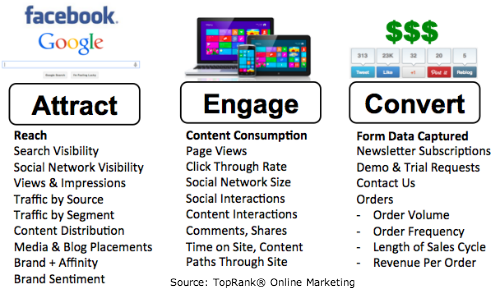
Once again, it’s important to understand your audience’s preferences and behaviors when deciding on the right content formats for your marketing strategy. The key is to create content that resonates with your target audience and aligns with your brand’s message.
Overview of Popular Content Types
Above all, it’s important to have a solid understanding of the various content types available. Here’s a breakdown of popular content types:
| Content Type | Description |
| Blogs | In-depth articles on a specific topic |
| Videos | Visual content that tells a story or educates |
| Infographics | Visual representation of data or information |
| Podcasts | Audio content that educates or entertains |
After identifying the most effective content types, you can start creating content that resonates with your audience.
Matching Content Types with Audience Preferences
Types of content that resonate with your audience will vary depending on their preferences and behaviors. Here are some popular content types matched with audience preferences:
| Audience Preference | Content Type |
| Visual learners | Videos, Infographics |
| Auditory learners | Podcasts, Audio blogs |
| Readers | Blogs, E-books |
| Interactive learners | Quizzes, Webinars |
The key is to understand your audience’s preferences and create content that caters to those needs. By doing so, you’ll increase engagement and drive conversions.
Even more importantly, understanding your audience’s preferences will help you create content that resonates with them on a deeper level. Here are some tips to match content types with audience preferences:
- Conduct surveys or polls to understand your audience’s content preferences
- Analyze your website analytics to see which content types perform best
- Experiment with different content types to see what resonates with your audience
The key is to be flexible and adapt to your audience’s changing preferences.

The Role of Diversity in Content Formats for Wider Engagement
Along with understanding your audience’s preferences, it’s important to create a diverse range of content formats to cater to different learning styles and preferences. [Having a diverse range of content formats will help you reach a wider audience and increase engagement.]
Content diversity is critical in today’s digital landscape. By creating a range of content formats, you’ll appeal to different segments of your audience and increase engagement. Here are some tips to create diverse content formats:
- Create content in different formats, such as videos, blogs, and infographics
- Experiment with different tones and styles to appeal to different segments of your audience
- Use storytelling techniques to make your content more relatable and engaging
[By incorporating diversity into your content strategy, you’ll be able to reach a wider audience and drive more conversions.]
Crafting a Content Calendar
Not having a content calendar can lead to a chaotic content creation process, resulting in inconsistent posting, duplicated efforts, and ultimately, a disconnected audience. A content calendar helps you plan, organize, and schedule your content in advance, ensuring that your messaging is cohesive and your audience is engaged.
Benefits of Using a Content Calendar for Consistency
The key to building trust and loyalty with your audience is to consistently deliver high-quality content. By using a content calendar, you can ensure that your content is published regularly, reducing the risk of gaps in your content schedule [decide on a minimum frequency for posting to maintain audience engagement].
Tips for Planning Topics, Frequency, and Timing
Consistency is key when it comes to content publishing. Plan your topics, frequency, and timing in advance to ensure that your content resonates with your audience. Consider your audience’s needs, preferences, and pain points when selecting topics, and schedule your content accordingly [decide on a content format that resonates with your audience]. Assume that your audience will appreciate a mix of educational, entertaining, and promotional content, and plan your content calendar accordingly.
- Identify your most engaging content formats and schedule them strategically.
- Leave room for flexibility in your content calendar to accommodate timely topics and trends.
- Use analytics to inform your content scheduling decisions.
Content planning involves more than just deciding on topics and formats. You need to consider your resources, budget, and production timelines when planning your content calendar. Consider the time required to create high-quality content, and schedule your content accordingly [decide on a realistic content production timeline].
- Identify your content creation bottlenecks and plan accordingly.
- Develop a content creation process that works for your team.
- Use project management tools to streamline your content creation process.
Tools to Help Manage and Organize Your Content Schedule
On top of planning and creating high-quality content, you need to manage and organize your content schedule effectively. Utilize tools like content management systems, project management software, and scheduling tools to streamline your content publishing process [decide on a content management system that fits your needs].
Topics like content calendar templates, scheduling tools, and project management software can be overwhelming. Take the time to research and experiment with different tools to find what works best for your team. Consider factors like ease of use, scalability, and integrations when selecting a tool [decide on a tool that integrates with your existing workflow].
- Explore free and paid content calendar templates to find one that fits your needs.
- Use scheduling tools to automate your content publishing process.
- Integrate your content calendar with your project management software.
SEO and Content Optimization
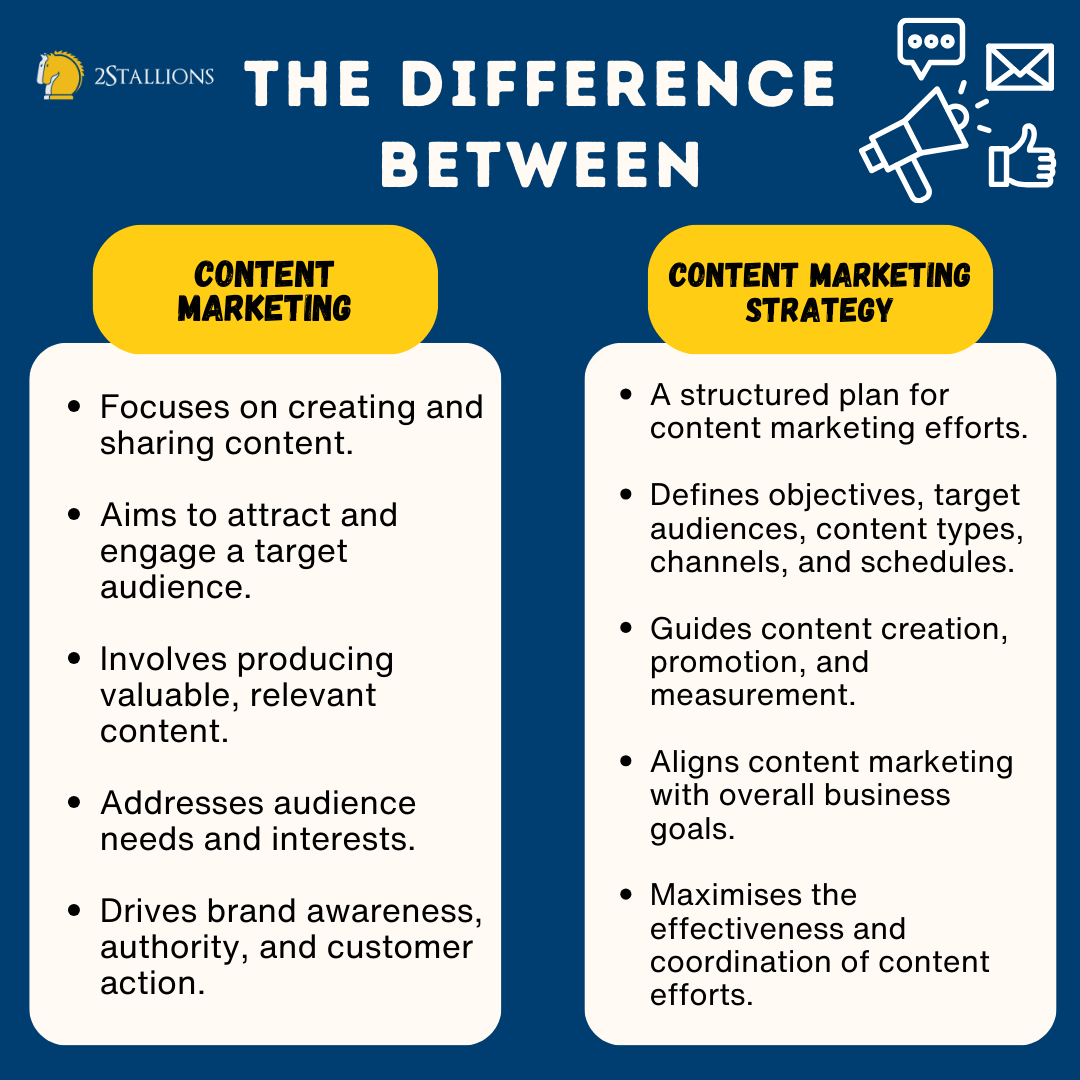
Not having a solid SEO strategy in place can hinder your content’s visibility and reach. To create a winning content marketing strategy, you need to ensure your content is optimized for search engines.
The Importance of SEO in Content Marketing Strategy
At the heart of a successful content marketing strategy lies a well-planned SEO approach. [Deciding on the right keywords can make or break your SEO efforts.] By incorporating SEO into your content creation process, you can increase your online presence, drive more traffic, and attract high-quality leads.
Basic SEO Tactics
By incorporating basic SEO tactics such as keyword research, meta tags, and header tags into your content creation process, you can improve your search engine rankings and drive more traffic to your website.
Further, optimizing your content with relevant keywords, phrases, and descriptions helps search engines understand the context and relevance of your content, making it more discoverable by your target audience.
How Optimizing Content Boosts Visibility and Engagement
Importance lies in optimizing your content to match the search intent of your target audience. When you create content that resonates with your audience’s needs and interests, you increase the chances of driving engagement, generating leads, and ultimately, boosting conversions.
But what’s equally important is to ensure that your optimized content provides value to your audience. By doing so, you can establish your brand as an authority in your industry, build trust with your audience, and drive long-term results.
Promotion and Distribution
To maximize the reach and impact of your content, you need to develop a solid promotion and distribution strategy. This involves getting your content in front of the right people, at the right time, and through the right channels.
Strategies for Distributing Content Across Various Channels
Distribution is key to getting your content seen by your target audience. You can distribute your content through social media, email newsletters, guest blogging, influencer partnerships, and more. The key is to identify the channels where your audience is most active and tailor your distribution strategy accordingly.
The Role of Paid vs. Organic Promotion
Below the surface of your distribution strategy lies the question of how to allocate your resources between paid and organic promotion. While organic promotion can be cost-effective, paid promotion can help you reach a wider audience faster.
Across different channels, you’ll need to weigh the benefits of paid promotion, such as increased visibility and targeting capabilities, against the potential drawbacks, like added costs and decreased credibility. By striking the right balance, you can amplify your content’s reach and impact.
Importance of Using Analytics to Track Distribution Effectiveness
Against the backdrop of your distribution efforts, it’s necessary to track your progress using analytics tools. This will help you identify which channels are driving the most engagement, which types of content are resonating with your audience, and where you need to adjust your strategy.
Role-playing different distribution scenarios can also help you anticipate potential outcomes and make data-driven decisions. By regularly monitoring your analytics, you’ll be able to refine your distribution strategy and optimize your content’s performance over time.
Measuring Success: Analytics and KPIs
Unlike other marketing strategies, content marketing success can be tricky to quantify. But, with the right analytics and KPIs in place, you’ll be able to measure the effectiveness of your content and make data-driven decisions to improve your strategy.
Identifying Key Performance Indicators (KPIs) to Track
Around 80% of marketers use website traffic as a KPI to measure content success. [It’s crucial to decide which KPIs align with your business goals.] You’ll want to track metrics that matter most to your business, such as engagement rates, lead generation, or conversion rates.
Tools for Measuring Content Performance
By leveraging tools like Google Analytics, SEMrush, or Ahrefs, you’ll be able to track your content’s performance and gain valuable insights into your audience’s behavior.
At the heart of these tools lies the ability to analyze your website traffic, track keyword rankings, and monitor social media engagement. This data will help you refine your content strategy and create more targeted, effective content.
How to Adjust Your Strategy Based on Data
Analyzing your data will reveal areas of improvement and opportunities for growth. You’ll be able to identify which content types resonate with your audience, which channels drive the most traffic, and where you need to optimize for better results.
Strategy adjustments can be as simple as tweaking your headline or meta description, or as complex as revamping your entire content calendar. The key is to stay flexible and willing to adapt your strategy based on the data-driven insights you uncover.
Creating Engaging Content
Despite the abundance of content available online, most of it fails to capture the audience’s attention. To stand out from the crowd, you need to create content that resonates with your target audience, addresses their pain points, and provides value. This can be achieved by understanding your audience’s needs, preferences, and behaviors, and crafting content that speaks directly to them.
The Importance of Quality Over Quantity
Crafting high-quality content is important to capturing your audience’s attention. Creating mediocre content solely for the sake of meeting a quota or deadline can do more harm than good, damaging your brand’s reputation and credibility. Instead, focus on producing well-researched, engaging, and informative content that adds value to your audience.
Tips for Writing Compelling Headlines and Intros
Introspective headlines and intros can make or break your content’s success. Here are some tips to get you started:
- Keep it concise and clear
- Avoid clickbait and misleading headlines
- Use action verbs and questions to pique curiosity
- Thou shalt not underestimate the power of a well-crafted headline
This is especially important, as your headline and intro are the first impressions your audience gets of your content. Make sure they’re compelling enough to encourage readers to dive in and explore further.
How to Use Storytelling in Content Marketing
One of the most effective ways to engage your audience is through storytelling. People are wired to respond to stories, and when done correctly, they can evoke emotions, create empathy, and build connections. By incorporating storytelling into your content marketing strategy, you can create a loyal following and establish your brand as a thought leader.
Headlines, introductions, and even entire blog posts can be crafted around a compelling narrative. Use anecdotes, customer testimonials, and real-life examples to bring your brand’s message to life and make it more relatable to your audience.
Repurposing and Updating Content
Now that you’ve created a wealth of content, it’s time to maximize its potential by repurposing and updating it. This strategy will help you extend the shelf life of your content, reduce creation costs, and attract new audiences.
The Benefits of Repurposing Content
Around 60% of marketers reuse content across multiple channels, and for good reason – repurposing content saves time, increases reach, and boosts engagement. By reusing your existing content, you can target new audiences, improve brand consistency, and reduce the pressure to constantly create new content.
Strategies for Updating Existing Content
Around 20% of marketers update their existing content regularly, and you should too. [Decide which content pieces are worth updating based on their performance and relevance.] Update your content to reflect changes in your industry, refresh outdated information, and improve its overall quality.
A well-updated content piece can perform even better than the original. Make sure to update your content’s keywords, meta descriptions, and internal links to improve its search engine ranking and user experience.
How to Breathe New Life into Old Content
Below the surface of your old content lies hidden potential. Breathe new life into it by turning blog posts into videos, infographics, or podcasts. Update outdated statistics, add new examples, or modify the format to make it more engaging.
Life can be breathed into old content by adding new perspectives, insights, or expert opinions. Consider rewriting old content from a different angle or updating it to reflect changes in your industry. This will help you attract new audiences and re-engage existing ones.
Managing and Outsourcing Content Creation
Your content creation process should be efficient, scalable, and aligned with your overall marketing strategy. This requires effective management and potential outsourcing of content creation tasks to free up internal resources and tap into specialized expertise.
The Role of Team Collaboration in Content Creation
By fostering a collaborative environment, you can ensure that all team members are aligned on content goals and messaging. [Decide who will be responsible for overseeing content creation and distribution.] This helps to streamline the content creation process, reduce errors, and increase overall productivity.
When to Outsource Content Creation
Behind every successful content marketing strategy lies a well-planned outsourcing approach. You may need to outsource content creation when you lack internal resources, require specialized expertise, or need to scale up content production quickly.
The decision to outsource content creation depends on your specific business needs and goals. If you’re struggling to produce high-quality content consistently, or if you need to tap into specialized knowledge or skills, outsourcing might be the way to go. This can help you save time, reduce costs, and improve overall content quality.
Tips for Effective Communication with Freelancers or Agencies
At the heart of successful outsourcing lies effective communication. To get the most out of your freelancers or agencies, provide clear briefs, set realistic deadlines, and establish open communication channels. Make sure to:
- Define project scope and objectives clearly
- Establish a centralized project management system
- Set regular check-ins and progress updates
- Perceiving your freelancers or agencies as an extension of your team can help you build trust and foster long-term collaboration.
And to take it a step further, consider creating a comprehensive style guide that outlines your brand’s tone, voice, and messaging. This will help ensure consistency across all content pieces, regardless of who creates them. Additionally, don’t be afraid to provide feedback and guidance to your freelancers or agencies – it’s imperative for producing high-quality content that resonates with your target audience.
Overcoming Common Content Marketing Challenges
Keep in mind that even the most experienced content marketers face challenges. The key is to identify them and develop strategies to overcome them. In this section, we’ll explore some common content marketing challenges and provide actionable tips to help you overcome them.
Dealing with Writer’s Block and Creative Burnout
Around every corner, writer’s block and creative burnout lurk, waiting to sabotage your content marketing efforts. [Don’t underestimate the importance of taking breaks to recharge your creative energy.] To avoid these pitfalls, try changing your environment, brainstorming with colleagues, or seeking inspiration from industry leaders.
Managing Content Marketing Budgets and Resources
Resources are often limited, and allocating them effectively is vital to achieving your content marketing goals. You must prioritize your spending and focus on the channels and tactics that deliver the greatest ROI.
Managing your content marketing budget requires careful planning and strategic decision-making. You need to assess your current resources, identify areas for improvement, and allocate your budget accordingly. By doing so, you’ll be able to maximize your ROI and achieve your content marketing objectives.
Staying Up-to-Date with the Latest Content Marketing Trends
An vital part of any content marketing strategy is staying current with the latest trends and developments. You need to stay informed about the latest tools, technologies, and best practices to remain competitive.
Understanding the latest content marketing trends is critical to your success. You can stay up-to-date by attending industry events, following thought leaders, and subscribing to relevant blogs and publications. By doing so, you’ll be able to adapt your strategy to meet the changing needs of your audience and stay ahead of the competition.
To wrap up
With this in mind, you now have a solid foundation to create a winning content marketing strategy that attracts and engages your target customers. You’ve learned how to identify your audience, craft compelling content, and distribute it effectively. By implementing these tactics, you’ll be well on your way to building trust, driving conversions, and growing your business. So, take action today and start creating content that resonates with your audience – and watch your customer base thrive as a result.
FAQ
Q: What is the primary goal of a content marketing strategy?
A: The primary goal of a content marketing strategy is to attract and engage with potential customers by creating and distributing valuable, relevant, and consistent content. This helps to build trust and credibility with the target audience, ultimately driving profitable customer action.
Q: How do I identify my target audience for content marketing?
A: To identify your target audience, you need to conduct market research and analyze your customer data. This includes understanding their demographics, pain points, interests, behaviors, and preferred communication channels. You can create buyer personas to represent your ideal customers and guide your content creation efforts.
Q: What types of content should I create for my content marketing strategy?
A: The type of content you create depends on your target audience and marketing goals. Some popular content formats include blog posts, videos, infographics, e-books, whitepapers, case studies, podcasts, and social media posts. You should focus on creating high-quality, engaging, and informative content that resonates with your audience and addresses their needs.
Q: How often should I publish new content to attract and engage customers?
A: The frequency of content publication depends on your resources, target audience, and marketing goals. However, consistency is key to keeping your audience engaged. You can start with a minimum of one new piece of content per week and adjust the frequency based on your analytics and feedback. It’s also vital to prioritize quality over quantity and ensure that each piece of content meets your standards.
Q: How do I measure the success of my content marketing strategy?
A: To measure the success of your content marketing strategy, you need to track key performance indicators (KPIs) such as website traffic, engagement metrics (e.g., likes, shares, comments), lead generation, conversion rates, and return on investment (ROI). You can use analytics tools like Google Analytics and social media insights to monitor your performance and adjust your strategy accordingly.
Author


1929: Inside the Greatest Crash in Wall Street History–and How It Shattered a Nation
$20.48 (as of October 5, 2026 17:53 GMT +00:00 – More infoProduct prices and availability are accurate as of the date/time indicated and are subject to change. Any price and availability information displayed on [relevant Amazon Site(s), as applicable] at the time of purchase will apply to the purchase of this product.)
Never Split the Difference: Negotiating as if Your Life Depended on It
$20.47 (as of October 5, 2026 17:53 GMT +00:00 – More infoProduct prices and availability are accurate as of the date/time indicated and are subject to change. Any price and availability information displayed on [relevant Amazon Site(s), as applicable] at the time of purchase will apply to the purchase of this product.)
Money to Burn: The Unvarnished Truth About Leon Black, Apollo, and the Rise of a New Wall Street
$36.49 (as of October 5, 2026 17:54 GMT +00:00 – More infoProduct prices and availability are accurate as of the date/time indicated and are subject to change. Any price and availability information displayed on [relevant Amazon Site(s), as applicable] at the time of purchase will apply to the purchase of this product.)
How to Be Good at Life: Simple Systems to Achieve More and Stress Less
$29.82 (as of October 5, 2026 17:53 GMT +00:00 – More infoProduct prices and availability are accurate as of the date/time indicated and are subject to change. Any price and availability information displayed on [relevant Amazon Site(s), as applicable] at the time of purchase will apply to the purchase of this product.)


Leave a Reply