
As you navigate the ever-evolving landscape of email marketing, you’re likely wondering what the future holds for this tried-and-true tactic. With Artificial Intelligence (AI) rapidly advancing and infiltrating every aspect of our digital lives, it’s natural to question whether human intuition will soon be replaced by machines. Will AI-driven email campaigns become the norm, or will there always be a place for human creativity and emotional intelligence in crafting compelling messages that resonate with your audience? In this post, we’ll probe into the possibilities and implications of AI in email marketing, and explore what this means for your strategy moving forward.
Key Takeaways:
- AI-Augmented Email Marketing: The future of email marketing lies in the harmonious integration of Artificial Intelligence (AI) and human intuition. AI will augment human capabilities, freeing up marketers to focus on high-level creative strategy and decision-making.
- Personalization at Scale: AI-powered email marketing tools will enable businesses to personalize emails at an unprecedented scale, allowing for more targeted and effective campaigns. This will be achieved through advanced data analysis, segmentation, and content optimization.
- Data-Driven Decision Making: AI will help marketers make data-driven decisions by providing actionable insights and predictions, reducing the reliance on intuition and guesswork. This will lead to more accurate forecasting, better resource allocation, and improved ROI.
- Human Touch Still Essential: While AI will automate many tasks, human intuition and creativity will remain imperative for developing compelling narratives, empathizing with audiences, and understanding nuanced customer behaviors. Marketers must strike a balance between technology and human touch.
- Continuous Learning and Adaptation: As AI continues to evolve, marketers must stay up-to-date with the latest developments and adapt their strategies accordingly. This includes ongoing education, experimentation, and optimization to ensure maximum ROI from AI-powered email marketing initiatives.
The Rise of AI in Email Marketing
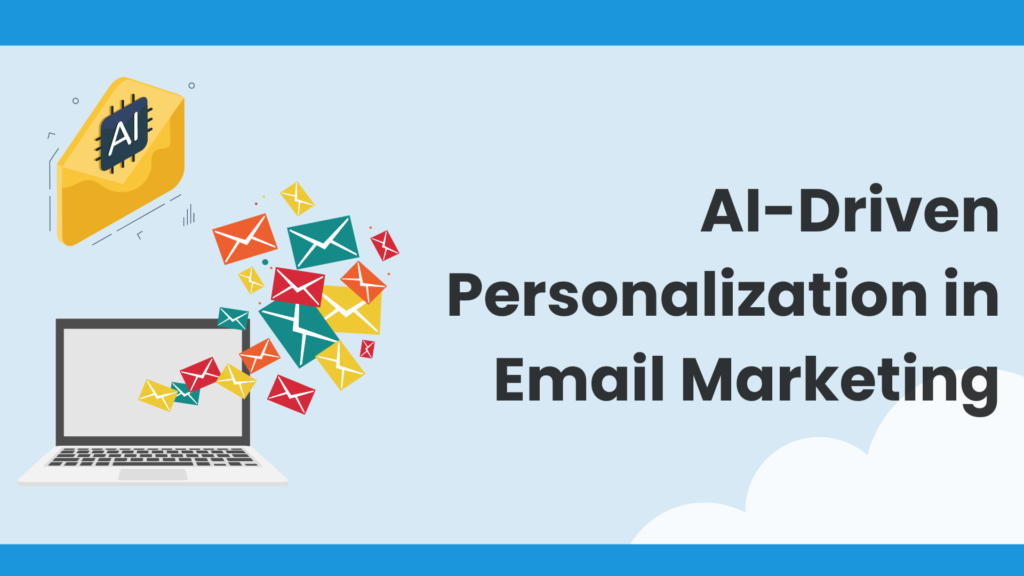
Astonishingly, AI has already begun to transform the email marketing landscape. With its ability to process vast amounts of data, AI-powered tools can analyze customer behavior, preferences, and demographics to create highly targeted and effective campaigns. As a result, marketers are seeing significant improvements in engagement, conversion rates, and ultimately, revenue.
Automation and Personalization
Augmenting your email marketing strategy with AI-driven automation enables you to personalize messages at scale, tailoring content to individual subscribers’ needs and interests. This level of customization was previously unattainable with traditional manual methods, but AI makes it possible to craft unique experiences for each recipient.
Data-Driven Decision Making
Any doubts you may have had about the effectiveness of AI in email marketing are quickly alleviated when you see the data. AI analyzes customer interactions, identifying patterns and trends that inform your marketing strategy, ensuring that every decision you make is backed by cold, hard facts.
Another significant advantage of AI-driven data analysis is its ability to identify areas of improvement in your campaigns. By pinpointing what’s working and what’s not, you can refine your approach, optimize your messaging, and maximize your ROI. With AI, you’ll never be left wondering what’s driving your results – you’ll have the data to back it up.
The Role of Human Intuition in Email Marketing
The most effective email marketing campaigns are those that strike a balance between data-driven insights and human intuition. While AI can analyze vast amounts of data, it’s human intuition that brings creativity, emotional connection, and contextual understanding to the table. As noted in When AI Should Step Aside for Human Brilliance, there are certain aspects of marketing that require a human touch. In email marketing, your human intuition is vital in crafting campaigns that resonate with your audience.
Creativity and Emotional Connection
An exceptional email marketing campaign is not just about conveying information, but about evoking emotions and creating a connection with your audience. Human intuition plays a crucial role in crafting subject lines, email copy, and visuals that capture your audience’s attention and resonate with their emotions. By leveraging your creativity and emotional intelligence, you can create campaigns that leave a lasting impression on your audience.
Contextual Understanding and Empathy
Intuition allows you to understand the nuances of your audience’s behavior, preferences, and pain points. It enables you to put yourself in their shoes and craft campaigns that address their specific needs and concerns. By doing so, you can create personalized and relevant content that resonates with your audience.
Contextual understanding and empathy are vital in email marketing, as they allow you to tailor your campaigns to specific segments of your audience. For instance, you may use intuition to identify customers who are at risk of churning and craft targeted campaigns to re-engage them. By combining data analysis with human intuition, you can create campaigns that are both personalized and effective.
The Limitations of AI in Email Marketing
Many marketers are excited about the potential of AI in email marketing, but it’s vital to acknowledge its limitations. While AI can process vast amounts of data, it lacks the nuance and creativity that human intuition brings to the table. As you consider the role of AI in your email marketing strategy, it’s crucial to understand where it falls short.
Lack of Emotional Intelligence
To truly connect with your audience, you need to understand their emotions, motivations, and values. AI systems can analyze data, but they struggle to empathize with your customers, which can lead to tone-deaf or insensitive messaging.
Inability to Read Between the Lines
To craft effective email campaigns, you need to understand the subtleties of human communication. AI can analyze keywords and sentiment, but it often misses the underlying context and subtext that makes human communication so rich.
Inability to read between the lines can lead to misinterpretation of customer feedback or intent. For instance, a customer might respond to a survey with a sarcastic comment, which AI might interpret as a genuine concern. A human marketer, on the other hand, would pick up on the tone and nuance, allowing them to respond more effectively. As you rely more on AI in your email marketing, you risk missing these subtle cues that can make all the difference in building strong relationships with your customers.

The Future of Human-AI Collaboration
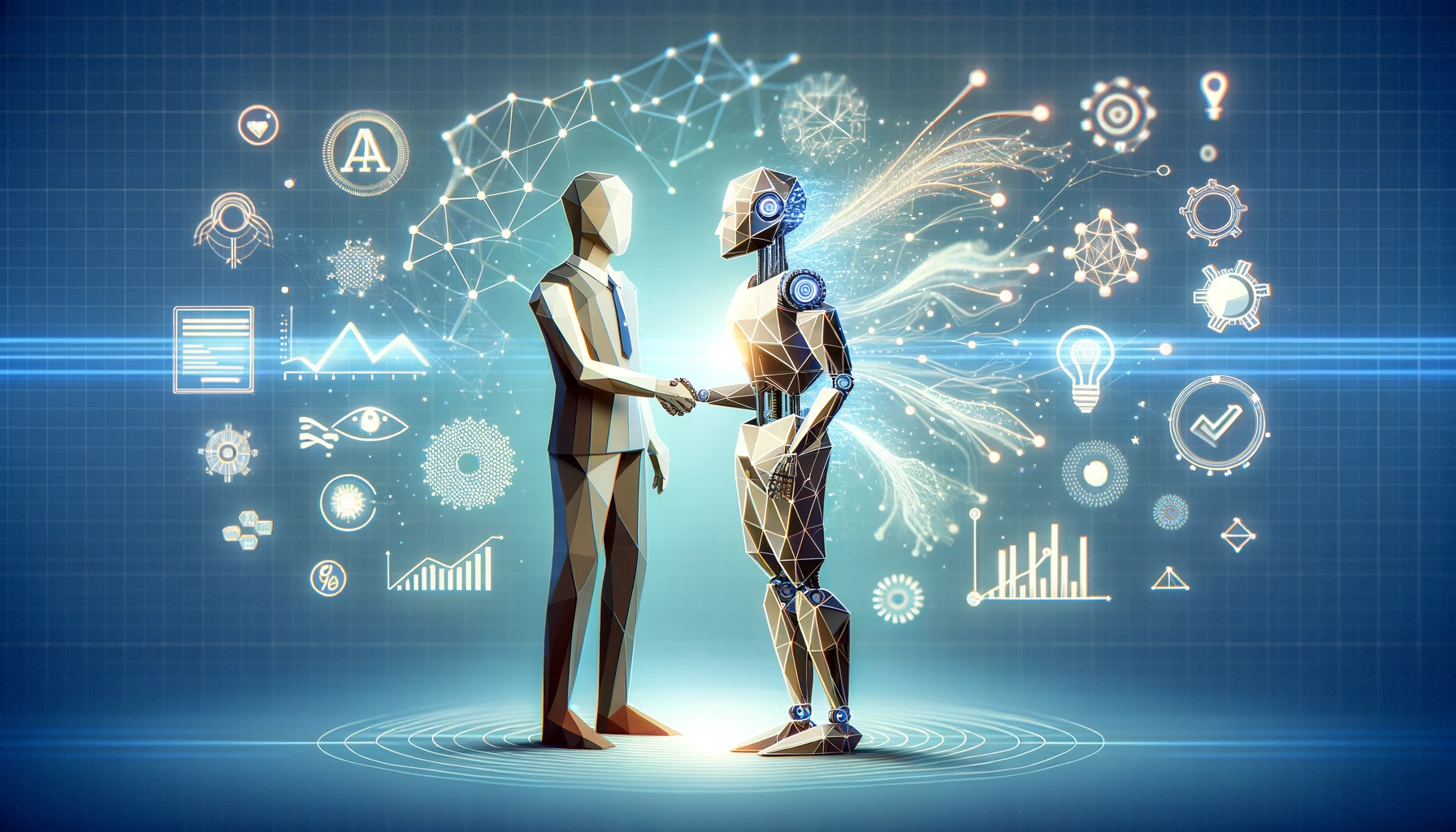
After considering the potential of AI to replace human intuition in email marketing, it’s clear that the future lies in collaboration. You’ll soon find yourself working alongside AI systems that augment your judgment, enhance your creativity, and streamline your workflow. The key to success will be understanding how to divide tasks between humans and machines, allowing each to excel in their respective areas.
Augmenting Human Judgment with AI Insights
The integration of AI into your workflow will provide you with data-driven insights that inform your decisions, freeing you from tedious data analysis and allowing you to focus on high-level strategy. By combining your creative vision with AI’s analytical prowess, you’ll make more accurate predictions and optimize your campaigns for maximum ROI.
Enhancing Creativity with AI-Generated Ideas
On the creative front, AI will become an indispensable tool, generating innovative ideas and suggestions that you can build upon. This collaboration will enable you to explore new avenues and approaches that might have gone unnoticed by human intuition alone.
HumanAI collaboration will revolutionize the way you approach email marketing campaigns. With AI-generated ideas, you’ll be able to tap into a vast pool of possibilities, from subject line suggestions to content optimization strategies. Imagine having access to a constant stream of fresh perspectives, each one tailored to your target audience’s preferences and behaviors. As you work alongside AI, you’ll find that your creative potential is amplified, and your campaigns become more engaging, personalized, and effective.
The Impact on Marketers and Consumers
Once again, the integration of AI in email marketing will have far-reaching consequences for both marketers and consumers. As AI takes over routine tasks, you’ll need to adapt to new roles and responsibilities, focusing on high-level strategy and creative direction. Meanwhile, consumers will expect more personalized and relevant interactions, forcing you to rethink your approach to building relationships and trust.
New Skills and Mindsets Required
The rise of AI-driven email marketing demands that you develop new skills and mindsets to stay ahead of the curve. You’ll need to become proficient in AI tools and analytics, as well as cultivate a deeper understanding of your target audience and their evolving needs.
Changing Expectations and Preferences
To succeed in this new landscape, you’ll need to stay attuned to shifting consumer expectations and preferences. As AI-generated content becomes more prevalent, you’ll need to find ways to balance automation with authenticity, ensuring that your messages resonate with your audience on a human level.
Mindsets will need to shift from a focus on short-term gains to long-term relationships, built on trust, empathy, and mutual understanding. You’ll need to ask yourself: What kind of experience do I want to create for my customers? How can I use AI to augment, rather than replace, human connection? By answering these questions, you’ll be better equipped to navigate the future of email marketing and build lasting relationships with your audience.
Navigating the Ethics of AI in Email Marketing
Not only do you need to consider the technical aspects of implementing AI in email marketing, but you also need to think about the ethical implications. As AI takes on more decision-making responsibilities, it’s crucial to ensure that your email marketing strategy aligns with your brand’s values and principles.
Transparency and Accountability
The use of AI in email marketing demands transparency about how data is collected, stored, and used. You need to be able to explain to your subscribers how AI-driven personalization works and what benefits it brings to them. This transparency will help build trust and accountability in your brand.
Avoiding Bias and Discrimination
Any AI system is only as good as the data it’s trained on, and biased data can lead to biased outcomes. You need to ensure that your AI algorithms are designed to avoid perpetuating stereotypes or discriminatory practices.
With great power comes great responsibility, and it’s imperative to recognize that AI-driven email marketing can have unintended consequences. For instance, an AI system might inadvertently target specific demographics or socioeconomic groups, leading to unfair treatment. To avoid this, you should regularly audit your AI systems and data to identify potential biases and take corrective action.
Summing up
Hence, as you ponder the future of email marketing, it’s clear that AI will undoubtedly play a significant role in optimizing and streamlining processes. However, the question remains: will AI replace human intuition entirely? The answer lies in finding a balance between technology and creativity. You must harness the power of AI to augment your strategy, but also trust your instincts to craft campaigns that resonate with your audience. By doing so, you’ll unlock the full potential of email marketing and stay ahead of the curve.
FAQ
Q: Will AI completely replace human intuition in email marketing?
A: While AI has made tremendous progress in email marketing, it’s unlikely to completely replace human intuition. AI excels in data analysis, automation, and personalization, but human intuition is still imperative for creativity, empathy, and understanding complex customer behaviors. AI will augment human capabilities, making marketers more efficient and effective, but it won’t replace the human touch entirely.
Q: How will AI change the role of email marketers in the future?
A: As AI takes over repetitive and data-intensive tasks, email marketers will focus more on strategic planning, creative direction, and high-level decision-making. They’ll need to develop skills in AI training, data interpretation, and campaign optimization to work effectively alongside AI tools. Marketers will become more like “AI conductors,” orchestrating the technology to achieve their marketing goals.
Q: Can AI-generated content rival human-written content in terms of quality and engagement?
A: AI-generated content has improved significantly, but it still lacks the nuance, humor, and emotional resonance that human writers bring to the table. While AI can produce high-quality, data-driven content, it may not evoke the same emotional response as content crafted by humans. However, AI can assist human writers by suggesting topics, outlines, and even entire paragraphs, making the content creation process more efficient.
Q: Will AI make email marketing more or less personalized?
A: AI has the potential to make email marketing more personalized than ever before. By analyzing vast amounts of customer data, AI can help create highly targeted, dynamic content that resonates with individual subscribers. However, over-reliance on AI could lead to a loss of personal touch and authenticity. Marketers must strike a balance between using AI for personalization and injecting human empathy and creativity into their campaigns.
Q: What skills do email marketers need to develop to stay relevant in an AI-driven future?
A: To thrive in an AI-driven email marketing landscape, marketers should focus on developing skills like data analysis, AI training, and campaign optimization. They should also cultivate soft skills like creativity, empathy, and strategic thinking. Additionally, marketers should stay up-to-date with the latest AI trends, tools, and best practices to ensure they’re leveraging technology effectively and efficiently.
Author


Extreme Ownership: How U.S. Navy SEALs Lead and Win
$17.71 (as of October 5, 2026 17:53 GMT +00:00 – More infoProduct prices and availability are accurate as of the date/time indicated and are subject to change. Any price and availability information displayed on [relevant Amazon Site(s), as applicable] at the time of purchase will apply to the purchase of this product.)
The CEO: The Role, the Reality, the Responsibility
$33.69 (as of October 5, 2026 17:54 GMT +00:00 – More infoProduct prices and availability are accurate as of the date/time indicated and are subject to change. Any price and availability information displayed on [relevant Amazon Site(s), as applicable] at the time of purchase will apply to the purchase of this product.)
A CEO Only Does Three Things: Finding Your Focus in the C-Suite
$13.08 (as of October 5, 2026 17:53 GMT +00:00 – More infoProduct prices and availability are accurate as of the date/time indicated and are subject to change. Any price and availability information displayed on [relevant Amazon Site(s), as applicable] at the time of purchase will apply to the purchase of this product.)
The Daily Stoic: 366 Meditations on Wisdom, Perseverance, and the Art of Living
$10.48 (as of October 5, 2026 17:53 GMT +00:00 – More infoProduct prices and availability are accurate as of the date/time indicated and are subject to change. Any price and availability information displayed on [relevant Amazon Site(s), as applicable] at the time of purchase will apply to the purchase of this product.)


Leave a Reply