
Email marketing is evolving, and artificial intelligence (AI) is at the forefront of this transformation. In this comprehensive guide, you will discover how AI can enhance your email campaigns, optimize targeting, and boost engagement. From creating personalized content to analyzing customer data, you’ll learn important strategies to harness AI’s potential and elevate your marketing efforts. Get ready to revolutionize your approach to email marketing and watch your results soar!
Key Takeaways:
- Personalization: Utilize AI to create highly personalized email content that resonates with individual subscriber preferences and behaviors.
- Segmentation: Leverage AI algorithms to segment your audience more accurately, ensuring targeted campaigns that enhance engagement and conversion rates.
- Performance Optimization: Use AI tools to analyze email performance metrics, allowing you to optimize send times, subject lines, and content for maximum impact.
- A/B Testing: Implement advanced AI methods for A/B testing, enabling quicker and more effective identification of winning strategies in your email campaigns.
- Automation: Streamline your marketing efforts by using AI to automate repetitive tasks, freeing up time for more strategic initiatives while maintaining consistent communication with subscribers.
Understanding AI in Email Marketing
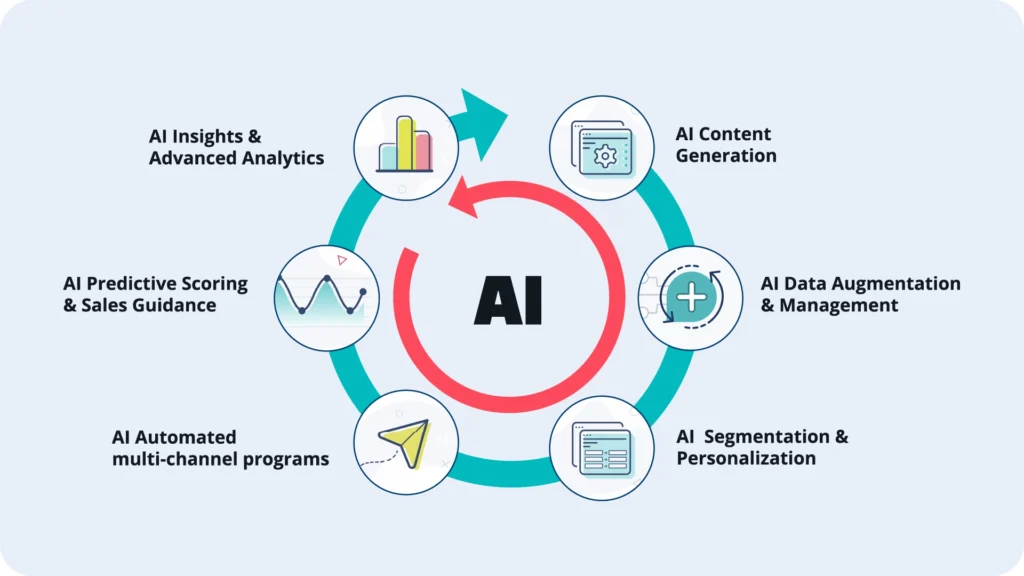
As you look into the world of email marketing, it’s critical to understand how artificial intelligence (AI) plays a transformative role in enhancing your campaigns. AI streamlines various aspects of email marketing, allowing for a more personalized and efficient approach. It enables you to analyze data trends, target specific audiences, and craft compelling messages that resonate with your subscribers. By embracing AI, you can significantly boost engagement and conversion rates, making your email marketing efforts more effective than ever.
Types of AI Used in Email Marketing
With the ongoing advancements in technology, you’ll find several types of AI being utilized in email marketing. These tools not only automate mundane tasks but also provide insights that would otherwise require extensive manual analysis. Here’s a breakdown of the AI types commonly found in email marketing:
| AI Type | Description |
|---|---|
| Predictive Analytics | Uses historical data to forecast future trends and subscriber behavior. |
| Natural Language Processing (NLP) | Enables AI to understand, interpret, and respond to text-based content. |
| Machine Learning | Helps systems learn from data and improve over time without direct programming. |
| Segmentation Algorithms | Divides your audience into smaller groups based on similar characteristics. |
| Email Personalization | Customizes marketing content based on user preferences and behavior. |
- Automated A/B Testing to refine your approach
- Dynamic Content that responds to user behavior
- Behavioral Scoring to prioritize leads
- Send Time Optimization for maximum engagement
- Predictive Modeling to identify potential buyers
Assume that by utilizing these types of AI, you’re not only saving time but also enhancing the relevance of your email marketing campaigns, leading to improved customer satisfaction and loyalty.
How AI Enhances Email Marketing Campaigns
If you’re looking to heighten the effectiveness of your email marketing initiatives, leveraging AI is important. AI-driven tools can analyze customer behaviors and preferences, allowing you to craft highly targeted campaigns. By automating segmentation, predictive analytics, and content personalization, you can ensure that your emails resonate deeply with recipients, significantly increasing the likelihood of engagement. This tailored approach not only improves open and click rates but also builds trust with your audience over time.
Moreover, AI also enables real-time optimization, where ongoing analyses can adjust parameters such as send times and content placements. This flexibility means that your email campaigns can adapt to external factors, like changes in subscriber behavior or market conditions, resulting in a continuously refined marketing strategy.
Types of AI tools in your arsenal can empower you to monitor performance metrics more effectively and adjust your strategies accordingly. By automating repetitive tasks and focusing on data-driven decision-making, you can shift your focus to creating impactful content that speaks directly to your audience’s needs and interests.
Benefits of AI-Powered Email Marketing
The introduction of artificial intelligence in email marketing has transformed how businesses interact with their customers. By leveraging advanced algorithms and data analysis, you can enhance your email campaigns, making them not only more effective but also more efficient. In this section, we will explore the key benefits of AI-powered email marketing, including personalization, increased productivity, and improved customer engagement.
Personalization and Segmentation
While traditional email marketing methods often rely on broad categories and generalized messaging, AI empowers you to dive deep into your audience’s individual preferences and behaviors. This means you can segment your subscribers more effectively based on their past interactions, purchasing behavior, and preferences, allowing you to send highly personalized emails that resonate with your audience. Tailoring your content to meet the specific needs of each segment can significantly boost your open and click-through rates.
Moreover, AI algorithms can predict future behavior, enabling you to anticipate your customers’ needs before they even realize them. By integrating this level of personalization into your strategy, you can foster a deeper emotional connection with your subscribers, leading to a higher likelihood of conversions and loyalty.
Increased Efficiency and Productivity
Now more than ever, businesses must operate at maximum efficiency, and AI-driven tools can streamline your email marketing efforts. With automated processes that handle tasks such as scheduling, testing, and performance tracking, you can save valuable time that can be redirected towards more strategic aspects of your marketing plan. This automation not only eliminates the risk of human error but also allows you to optimize campaigns in real-time based on data insights.
Increased efficiency leads to more time for creativity and innovation in your campaigns. By freeing yourself from repetitive tasks, you can focus on crafting compelling content and refining your strategies to enhance engagement and conversion rates. As a result, your email marketing becomes a powerhouse of productivity, allowing you to achieve better results in less time.
Improved Customer Engagement and Retention
Any successful email marketing strategy hinges on turning occasional buyers into loyal customers, and AI plays a pivotal role in achieving this. By analyzing customer data and behavior, AI tools can help you design campaigns that proactively address the interests and needs of your audience. This tailored approach not only captures attention but also encourages consistent interaction with your brand, fostering a sense of community and engagement.
Additionally, AI can identify when customers are likely to disengage, enabling you to implement timely re-engagement strategies. By sending targeted win-back emails or special offers at critical moments, you can continue nurturing relationships, ultimately increasing retention rates and driving repeat business.
Marketing automation powered by AI helps you track customer journeys in real time, allowing you to refine your messaging and offers continuously. This ongoing dialogue builds trust and encourages a deeper connection with your audience, leading to higher loyalty and overall customer satisfaction.
Tips for Implementing AI in Email Marketing
Despite the immense potential of AI in transforming your email marketing strategies, it’s crucial to approach implementation thoughtfully. Here are some vital tips to guide you through the process:
- Start small and scale up your AI initiatives.
- Choose the right AI tools and platforms that suit your business needs.
- Monitor and analyze performance metrics regularly to measure success.
- Test different AI-driven strategies before fully committing.
- Stay updated with the latest AI trends and technologies in email marketing.
Any of these strategies can enhance your email marketing efforts, making them more efficient and effective.
Start Small and Scale Up
For many businesses, diving deep into AI can feel overwhelming. To ease into the transition, consider starting with small projects that can yield quick wins. Implement AI-driven tools for personalized subject lines or segmented audience targeting. This gradual approach allows you to gain confidence and assess the impact of AI on your campaigns without a significant initial investment.
As you become more comfortable with the technology, you can look for additional opportunities to integrate AI into your other email marketing practices. This could mean automating your email responses or utilizing AI algorithms to optimize send times. Recall, scaling up should be a systematic process leading your email marketing efforts towards greater sophistication.
Choose the Right AI Tools and Platforms
Scale your email marketing effectiveness by choosing the right AI tools and platforms tailored to your unique requirements. Evaluate options based on their capabilities, ease of integration with your existing systems, and user reviews. A well-chosen platform can enhance user engagement through better targeting and personalization, ultimately increasing your campaign success.
Right tools can automate many of your processes while still allowing you to maintain control over the creative aspects of your campaigns. Look for features such as predictive analytics, customer segmentation, and automated A/B testing to ensure you are getting the most out of your investment in AI technology.
Monitor and Analyze Performance Metrics
Scale your efforts by continuously monitoring and analyzing performance metrics. Understanding these metrics will help you identify what is working and where you need to pivot. Regularly assess open rates, click-through rates, conversion rates, and unsubscribe rates to gauge the effectiveness of your AI-driven strategies.
Email metrics are key indicators of your campaign’s success. By keeping an eye on these figures, you can adjust your tactics in real-time. Implement a routine evaluation of your campaigns to refine your approach and optimize the utilization of AI, ensuring your email marketing remains relevant and impactful.
A Step-by-Step Guide to Creating AI-Driven Email Campaigns
Now that you’re ready to transform your email marketing, follow this comprehensive step-by-step guide to create effective AI-driven email campaigns. By leveraging the power of AI, you can streamline your processes and enhance engagement with your audience. To make it easier, here’s a quick overview of the key steps involved:
| Step | Description |
| Defining Target Audiences and Goals | Identify your audience and set clear objectives for your campaign. |
| Crafting Compelling Subject Lines and Content | Create engaging content and subject lines that capture attention. |
| Optimizing Email Timing and Frequency | Choose the best times and frequency for sending your emails. |
| Measuring and Refining Campaign Performance | Analyze data to improve future campaigns. |
Defining Target Audiences and Goals
Little do many marketers know, properly defining your target audience and setting specific campaign goals is crucial for the success of your email marketing efforts. By identifying segments within your audience, you can tailor your messaging to meet their unique needs and interests. This ensures your emails resonate with recipients, rather than getting lost in their inboxes.
Additionally, establishing clear goals such as increasing open rates, driving traffic to your website, or boosting sales will give your campaign direction. AI tools can help analyze previous performance data and predict the behavior of your target audience, allowing you to continuously refine your approach.
Crafting Compelling Subject Lines and Content
Even the best email content won’t get the attention it deserves without an enticing subject line. Your subject line needs to be compelling enough that it encourages subscribers to open the email, yet concise enough to communicate the essence of your message. Using AI-generated suggestions can help you craft subject lines that are both attention-grabbing and relevant to your audience.
Moreover, the email content itself should be engaging, informative, and aligned with your overall goals. Use dynamic content that adapts based on user preferences and behaviors. This personalization can significantly enhance user experience and encourage conversions.
Understanding what makes compelling subject lines and content is crucial. By utilizing A/B testing, you can determine which elements resonate best with your audience, allowing you to refine your future campaigns effectively.
Optimizing Email Timing and Frequency
While timing and frequency may seem secondary, they play an integral role in the success of your email campaigns. Sending emails at the right moments, based on your audience’s behavior patterns, can lead to higher open rates and engagement. Use AI analytics to determine optimal send times and tailor your timing strategy to each segment of your audience.
Likewise, frequency matters. You don’t want to overwhelm your subscribers with too many emails, but you also don’t want to disappear from their inboxes for long stretches. Finding the sweet spot requires experimentation and continuous monitoring of engagement metrics.
Lines drawn from your audience’s behaviors can guide you in adjusting your email timing and frequency. You’ll discover not only the best times to reach your audience but also how often they prefer to hear from you, contributing to a more refined marketing strategy.

Measuring and Refining Campaign Performance
Campaign performance measurement is crucial for keeping track of your successes and areas for improvement. Gathering and analyzing data from your email campaigns allows you to understand what’s working and what isn’t. Metrics such as open rates, click-through rates, and conversion rates offer valuable insights to enhance your future efforts.
Refining your campaigns based on these metrics means you not only maintain but further improve engagement levels. Using AI tools, you can predict future trends and automatically adjust your strategies based on real-time data, ensuring you remain relevant and effective.
Frequency analysis of how your emails perform over time is crucial for continuous improvement. With AI’s ability to process large data sets, you can quickly pinpoint patterns that indicate which elements of your campaign resonate most with your audience, allowing you to create even more targeted and effective emails in the future.
Key Factors to Consider When Using AI in Email Marketing
Once again, the advancements in artificial intelligence offer incredible opportunities for businesses to enhance their email marketing strategies. However, harnessing AI effectively requires careful consideration of several key factors. Here’s what you need to keep in mind as you begin on this transformative journey:
- Data Quality and Integration
- Customer Consent and Privacy
- Avoiding Over-Automation and Human Touch
Data Quality and Integration
Now, when it comes to AI in email marketing, the quality of your data is paramount. The algorithms that power AI tools rely heavily on the information you provide, making accurate and clean data vital for generating reliable insights and personalized content. It’s crucial to ensure that your data is not only abundant but also updated and relevant. Additionally, integrating data from various sources—such as customer interactions, social media engagement, and website activity—will enable the AI to create a cohesive and well-rounded understanding of your audience.
Moreover, seamless integration across these platforms will enhance the accuracy of your AI models. This means that any insights drawn from AI can seamlessly translate into your email campaigns, ensuring a more personalized experience for your customers while also boosting engagement rates. Recognizing the importance of data quality and integration will provide you with a solid foundation to leverage AI successfully.
Customer Consent and Privacy
The growing concerns regarding customer data usage can’t be overlooked when incorporating AI into your email marketing strategy. It’s vital to ensure that you are obtaining explicit consent from your subscribers before you collect and utilize their data. Transparency about how you plan to use their information will help build trust and facilitate ongoing engagement. Do not forget, adhering to privacy laws and regulations, such as the GDPR and CAN-SPAM, is not only important for compliance but also for maintaining a strong relationship with your audience.
Plus, being respectful of your customers’ privacy means being strategic about the kinds of data you collect. You might consider utilizing AI to analyze aggregate data trends or behavioral patterns without relying on personally identifiable information. This approach allows you to deliver targeted messages while respecting user privacy—and it can ultimately enhance your brand’s reputation in the crowded digital landscape.

Avoiding Over-Automation and Human Touch
There’s a delicate balance between utilizing automation through AI and maintaining a human connection with your audience. While AI can streamline many processes, such as segmenting lists and scheduling sends, over-reliance on these technologies can lead to soulless interactions. Your customers appreciate personalized touches and engagement that resonate with their unique experiences. Therefore, strategic decision-making should dictate when to allow AI to take the reins and when to incorporate that all-important human element.
Quality interactions can significantly enhance customer experiences, which is crucial to driving retention and brand loyalty. By blending automation’s efficiency with genuine human interaction, you’ll create memorable email campaigns that leave a lasting impact. This balance allows your brand to remain relatable while still benefiting from the advanced capabilities that AI brings.
Weighing the Pros and Cons of AI in Email Marketing
All marketers know that implementing new technologies can be both a blessing and a challenge. In terms of AI in email marketing, you have to weigh the benefits against the drawbacks. Here’s a comprehensive look at the pros and cons:
| Pros | Cons |
|---|---|
| Enhanced customer segmentation | High initial setup costs |
| Improved personalization | Potential for data privacy issues |
| Increased automation | Dependence on technology |
| Data-driven insights | Risk of job displacement |
| 24/7 marketing capabilities | Possible lack of human touch |
| Enhanced targeting precision | Complexity in management |
| Faster decision-making | Integration challenges |
| Improved A/B testing | Potential algorithm biases |
| Scalability of campaigns | Need for continuous updates |
| Better ROI measurement | Overreliance on AI predictions |
Enhanced Customer Experience and Loyalty
If you focus on enhancing the customer experience through AI, you can create tailored marketing strategies that resonate more deeply with your audience. AI can analyze vast amounts of data to predict customer behavior and preferences, allowing for personalized content and offers that bring more value to your subscribers. By consistently delivering relevant messages, you can foster stronger relationships and build loyalty among your customers.
Moreover, an improved customer experience often leads to higher engagement rates. When you use AI to segment your audience effectively and create bespoke email campaigns, you ultimately make your subscribers feel valued. This personal touch can drive repeat purchases, encouraging a long-term relationship with your brand that benefits both you and your customers.
Increased Conversion Rates and Revenue
Revenue increases are one of the most compelling reasons to incorporate AI into your email marketing strategy. When you leverage AI, you gain powerful tools for analyzing customer data and predicting purchasing behavior. By sending targeted emails at the right time, you not only capture your audience’s attention but also encourage them to take action, significantly boosting your conversion rates.
Enhanced targeting ensures that your offers are relevant, attracting potential buyers who are genuinely interested in your products or services. AI can help automate this process, making your email campaigns much more efficient. As a result, you can expect not only increased conversion rates but also a noticable rise in your overall revenue.
Enhanced automation tools can streamline your email marketing efforts, allowing you to send out timely messages without the usual manual effort associated with traditional marketing campaigns. The resulting efficiency and precision can free up your time and resources, letting you focus on other business growth strategies while AI takes care of optimizing your marketing performance.
Potential Job Displacement and Dependence on Technology
With all the benefits AI provides, it’s important to recognize the potential downsides, including job displacement and an increased reliance on technology. As AI systems take over more marketing functions, there may be fewer roles available for human marketers, especially those focused on repetitive tasks. This shift could lead to job insecurity for employees who may find their skills becoming obsolete.
Additionally, as you depend more on AI-driven solutions, there is a risk that your marketing strategy might lose its human touch. Over-reliance on technology for customer interactions can lead to generalized messaging that misses the nuances of individual customer preferences and emotions. It’s critical for you to balance technology with an authentic human approach.
Conversion rates may initially rise with AI, but it’s important to understand that the success of your campaigns will ultimately depend on maintaining a balance between automated efficiency and personal engagement. The key lies in ensuring that technology complements your marketing efforts rather than replacing the human element altogether.
Final Words
To wrap up, embracing AI in your email marketing strategy can fundamentally transform how you connect with your audience. By leveraging advanced algorithms and data-driven insights, you’ll be able to create personalized, engaging campaigns that resonate with your subscribers. This not only enhances the user experience but also improves your conversion rates and overall ROI. With AI tools, you have the power to automate tedious tasks, segment your audience more effectively, and analyze campaign performance in real time, giving you an edge over competitors who have yet to adopt these innovations.
As you initiate on this journey to optimize your email marketing efforts, remember that the integration of AI is an ongoing process. Don’t shy away from experimenting with different tools and strategies; instead, embrace the learning curve and continuously refine your approach. By staying informed about the latest trends and advancements, you can successfully adapt your campaigns to meet the evolving needs of your audience. Ultimately, the strategic use of AI in your email marketing can lead to deeper customer relationships and sustained business growth.
FAQ
Q: What is the primary benefit of using AI in email marketing?
A: The primary benefit of using AI in email marketing is enhanced personalization. AI can analyze user behavior and preferences to segment audiences effectively, allowing marketers to create tailored email content that resonates with recipients. This targeted approach increases engagement rates and can lead to higher conversions.
Q: How can AI improve email campaign performance?
A: AI can improve email campaign performance by optimizing send times, predicting which subject lines are most likely to be opened, and recommending content that aligns with customer interests. Machine learning algorithms analyze past campaign data to refine strategies continuously, ensuring that emails reach recipients at the optimal moment for maximum impact.
Q: What types of AI tools can I use for my email marketing efforts?
A: There are various AI tools available for email marketing, including predictive analytics platforms, customer segmentation tools, dynamic content generators, and automation software. Examples include platforms like Mailchimp, ActiveCampaign, and HubSpot, which offer AI features that help marketers create and manage their email campaigns more effectively.
Q: Are there any downsides to incorporating AI in email marketing?
A: While AI offers numerous advantages, there are potential downsides, such as over-reliance on automation that may overlook human creativity and emotional intelligence. Additionally, improper implementation or lack of understanding of AI tools can lead to irrelevant content being sent to customers, which can harm engagement and brand reputation. It’s crucial to strike a balance between AI-driven strategies and human oversight.
Q: How can I get started with AI in my email marketing strategy?
A: To get started with AI in your email marketing strategy, first, assess your current email practices and identify areas for improvement. Then, select an AI-powered email marketing platform that suits your business needs. Invest time in learning how to use the available AI features effectively, and regularly analyze campaign performance to leverage insights generated by AI for future optimizations.
Author


Procrastinators Get Stuff Done: How to Go from Overwhelmed to Finished
$18.89 (as of October 5, 2026 17:54 GMT +00:00 – More infoProduct prices and availability are accurate as of the date/time indicated and are subject to change. Any price and availability information displayed on [relevant Amazon Site(s), as applicable] at the time of purchase will apply to the purchase of this product.)
Start with Why 15th Anniversary Edition: How Great Leaders Inspire Everyone to Take Action
$17.72 (as of October 5, 2026 17:53 GMT +00:00 – More infoProduct prices and availability are accurate as of the date/time indicated and are subject to change. Any price and availability information displayed on [relevant Amazon Site(s), as applicable] at the time of purchase will apply to the purchase of this product.)
Own Or Be Owned: Build a Business So Good It Doesn’t Need You
$15.42 (as of October 5, 2026 17:53 GMT +00:00 – More infoProduct prices and availability are accurate as of the date/time indicated and are subject to change. Any price and availability information displayed on [relevant Amazon Site(s), as applicable] at the time of purchase will apply to the purchase of this product.)
Traction: Get a Grip on Your Business
$14.39 (as of October 5, 2026 17:53 GMT +00:00 – More infoProduct prices and availability are accurate as of the date/time indicated and are subject to change. Any price and availability information displayed on [relevant Amazon Site(s), as applicable] at the time of purchase will apply to the purchase of this product.)


Leave a Reply