
Over the past decade, you have seen how startup support services combine funding, mentorship, technical resources, and networks to accelerate product development and scale local ideas into national innovation and economic growth.
National Innovation Drivers: Support Services Impact
| Acceleration Factor | Mechanism | National Outcome |
| Tech Democratization | AI Advisory Pilots & Co-funding | Moves advanced tech (AI, Quantum) from tech hubs to rural sectors. |
| Capital Fluidity | SBIC & SBIR/STTR Grant Support | Injects billions into critical industries like BioTech and Green Energy. |
| Ecosystem Synergy | Public-Private-Academia Hubs | Turns regional inventors into “Sovereign Tech” powerhouses. |
| Regulatory Smoothing | Expedited Permitting & Compliance | Reduces the “Time-to-Market” for disruptive nationwide solutions. |
| Workforce Evolution | AI Upskilling & Skill-based Tribes | Creates a resilient, tech-literate labor force across all regions. |
How do startup support services accelerate innovation on a nationwide scale in 2026?
Support services accelerate innovation by democratizing access to high-cost technology and incentivizing private investment in critical industries. Through programs like the SBIC modernization and regional AI pilots, the government and private accelerators provide the co-funding and expert guidance needed for small businesses to adopt advanced tech. By fostering Innovation Clusters—networks that connect local startups with global research and funding—these services ensure that disruptive breakthroughs in green tech and biotech are scaled rapidly across every region, not just in traditional tech hubs.

Key Takeaways:
- Targeted funding for startups speeds prototype development and commercialization, raising startup survival rates and bringing new products to market faster.
- Mentorship, technical assistance, and incubator programs shorten learning curves, reduce costly mistakes, and accelerate product-market fit.
- Shared facilities and accelerators supply specialized equipment, prototyping labs, and regulatory guidance, allowing faster testing and iteration.
- Regional networks and industry partnerships spread successful practices and technologies across markets, increasing nationwide diffusion of innovation.
- Business development services and streamlined regulatory support improve firm scalability and job creation, converting local innovations into broader economic growth.
The Architecture of Modern Startup Support Services
Within the architecture of modern startup support services, you encounter modular programs, shared workspaces and targeted mentorship that shorten development cycles and sharpen your product-market fit.
The Role of Business Incubators and Accelerators
Incubators pair you with mentors, funding channels and tailored curricula, while accelerators compress learning and investor access so you refine offerings faster and scale with measurable traction.
Public-Private Partnerships in Regional Development
Partnerships connect you to public infrastructure, procurement pilots and workforce training, extending innovation into smaller communities and reducing entry costs for growth.
Governments and private firms co-design grant-matching programs, R&D hubs, tax incentives and procurement pathways that allow you to pilot products at scale; shared facilities reduce capital burden, while outcome-based contracts signal demand to investors and align long-term regional strategies with your growth.
Financial Mechanisms Driving Technological Advancement
Tapping private and public funding accelerates your firm’s ability to prototype, hire specialized talent, and move ideas to market faster, creating concentrated pockets of innovation that spread across regions through partnerships and scalable business models.
Expanding Access to Seed Capital and Angel Investment
Seed-stage funding and angel networks give you early validation and runway, enabling rapid iteration, customer testing, and recruitment of technical staff to convert prototypes into commercial products.
Federal and State Grant Programs for Research and Development
Public grants help you access non-dilutive capital for R&D, reduce project risk, and connect you with research institutions and procurement channels that accelerate commercialization.
Grants provide structured funding, milestone-driven awards, and technical assistance so you can de-risk deep-tech projects without giving up equity; programs like SBIR/STTR, state matching funds, and innovation vouchers also link you to university partners, procurement pathways, and commercialization support, though you must meet strict reporting and IP requirements.
Knowledge Transfer and Strategic Mentorship
Programs deliver targeted mentorship, curated playbooks, and ongoing training so you rapidly adopt proven practices, avoid common pitfalls, and translate research into market-ready products through structured knowledge transfer and strategic advisor networks.
Connecting Founders with Industry Subject Matter Experts
Mentors connect you with industry subject matter experts who provide domain-specific guidance, market insights, and direct introductions so you refine product-market fit, tighten technical approaches, and accelerate customer adoption.
Facilitating Collaboration Between Startups and Research Institutions
Partnerships open university labs, joint-funded research, and IP arrangements that let you prototype, validate, and iterate complex technologies while tapping faculty expertise and shared equipment to shorten development timelines.
Academic collaborations often include sponsored research, licensing agreements, shared lab space, and student internships that give you affordable R&D access and a steady talent pipeline; you should draft milestone-driven contracts with clear publication and IP terms, run pilot projects to de-risk concepts, and pursue joint grants to scale validated technologies toward commercialization.
Infrastructure and Resource Accessibility
Access to municipal labs, funding streams, and logistics networks gives you rapid prototyping, regional testing, and faster market entry across states.
Shared Laboratories and Advanced Prototyping Facilities
Shared labs offer you cost-effective bench space, specialized equipment, and mentorship, cutting development time while improving technical rigor and reproducibility.
- You access high-end instrumentation without heavy capital expenditure.
- You reduce overhead by sharing utilities, maintenance, and consumables.
- You gain cross-disciplinary mentorship that accelerates problem solving.
Facility Benefits
| Facility | Benefit to You |
|---|---|
| Shared Laboratory | You get affordable access to expensive equipment. |
| Prototyping Center | You speed physical iteration and user testing cycles. |
| Incubator Network | You connect with investors, mentors, and pilot partners. |
Leveraging Digital Infrastructure for Scalable Growth
Cloud platforms allow you to scale computing, deploy analytics, and reach customers nationally without large upfront IT investments.
You can combine APIs, container orchestration, and automated testing to shorten release cycles, control costs through pay-as-you-go models, and maintain compliance with regional data rules. Observability and role-based access let you monitor performance and secure sensitive data while partners handle hosting and redundancy, so your team focuses on product differentiation and rapid customer feedback loops.
Cultivating a Culture of Competitive Innovation
Policies and local support give you access to mentorship, targeted funding, and collaborative spaces that push you to iterate faster, test boldly, and outcompete incumbents.
Stimulating Market Disruptions through Entrepreneurial Support
Incubators and accelerators connect you with pilot customers, expert advisors, and investor networks so you can test high-risk models and bring disruptive products to market faster.
Strengthening National Economic Resilience
Public investment in startups diversifies employment and supply chains, helping you pivot during downturns and sustain local incomes when dominant firms contract.
Through accessible grants, procurement set-asides, and regional innovation hubs, you gain consistent demand that stabilizes startup revenue and strengthens local supplier networks. You then face fewer sector-specific shocks, can retrain staff more effectively, and attract long-term investment that keeps your region adaptive.
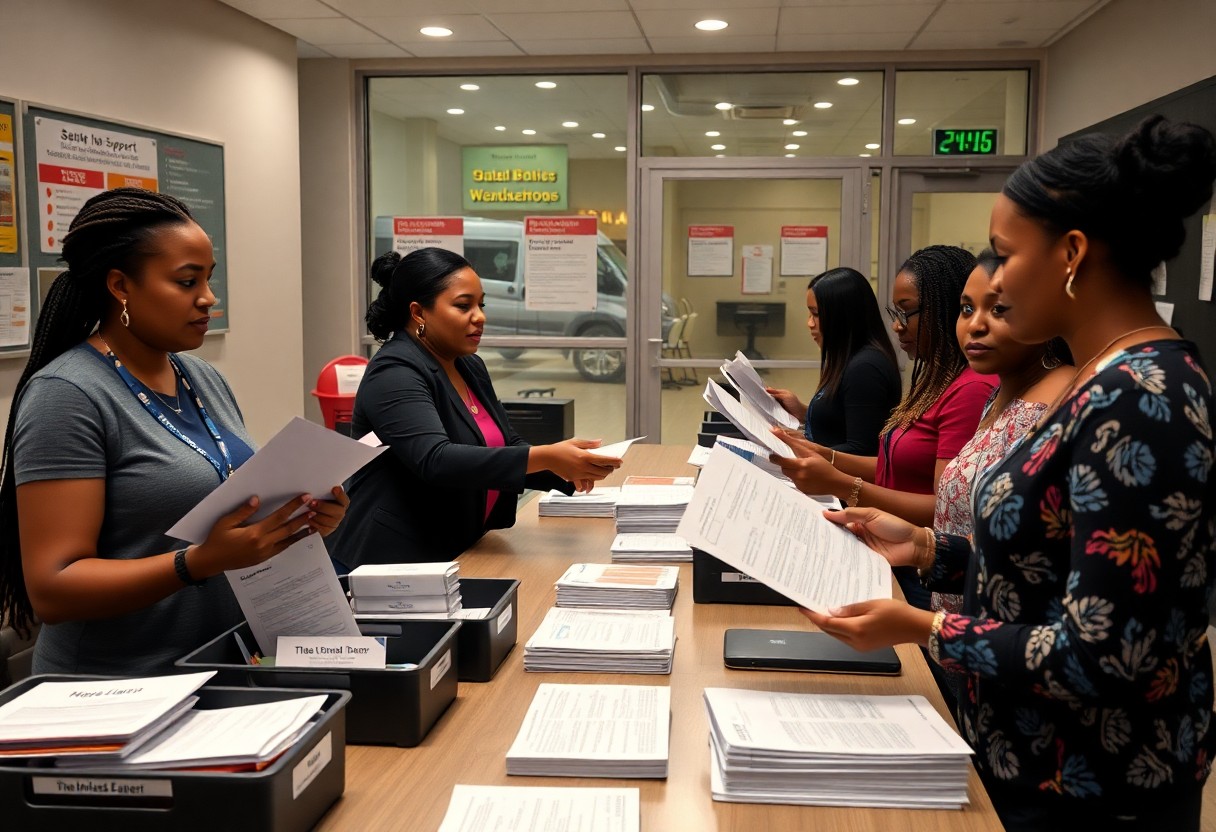
Removing Barriers for Diverse Entrepreneurial Talent
You gain access to mentorship, grant and investment pathways, and regulatory assistance that remove practical obstacles so your ideas scale faster and reach wider markets.
Targeted Support for Underrepresented Geographical Regions
Regional hubs connect you with local mentors, virtual training, and flexible funding that let your venture overcome infrastructure gaps and compete nationally.
Inclusivity as a Catalyst for Varied Problem-Solving
Inclusive teams bring you diverse perspectives and customer insight, improving product fit and accelerating iterative design cycles for broader adoption.
Diverse collaborators help you spot unmet needs across communities, refine prototypes through inclusive testing, and access varied market channels; targeted startup programs teach inclusive recruiting, bias-aware research methods, and equitable pricing strategies so your solutions scale with sustained demand.
Summing up
Taking this into account you receive targeted funding, mentorship and networks that shorten development cycles, increase market access and diffuse best practices, so your innovations scale faster across regions and contribute to job creation, productivity gains and broader economic growth.
FAQ
Q: What are small business startup support services and what do they include?
A: Incubators, accelerators, mentorship programs, seed and angel funding networks, technical assistance centers, coworking spaces, and prototyping labs comprise most startup support services. Legal clinics, grant-writing help, tax and accounting guidance, and connections to supply chains and corporate partners frequently appear in service portfolios. Training on product-market fit, customer discovery, regulatory compliance, and scaling operations rounds out the practical support entrepreneurs receive.
Q: How do these services speed up innovation across the country?
A: Support services shorten time to market by providing tested playbooks, hands-on mentorship, and access to shared equipment that reduces setup costs for new ventures. Networks built through accelerators and industry partnerships enable rapid spread of successful ideas and business models from one region to another. Early-stage funding and pilot opportunities let startups test hypotheses and iterate faster, increasing the overall rate of commercialized innovations.
Q: What measurable impacts show acceleration of innovation from these programs?
A: Common metrics include the number of startups formed, capital raised, patents filed, and jobs created in supported cohorts or regions. Revenue growth, follow-on funding rounds, survival rates at three- and five-year marks, and successful pilot-to-deployment conversions provide evidence of long-term value. Spillover indicators such as supplier growth, university-industry collaborations, and regional increases in high-skill employment track broader diffusion of innovative activity.
Q: What roles do public funding and policy play in amplifying these services nationally?
A: Targeted grants, matching funds, procurement set-asides, and tax incentives reduce financial risk for startups and make it easier for support organizations to offer sustained programming. Policy that aligns university technology transfer rules and removes administrative barriers speeds commercialization of academic research. Coordinated investment in regional hubs and connectivity programs helps redistribute successful practices to underserved areas, increasing nationwide innovation capacity.
Q: How should communities design support services to produce the strongest innovation outcomes?
A: Communities should begin with a needs assessment to identify sector strengths, workforce gaps, and existing assets such as universities or manufacturing bases. Design should combine capital access, sector-specific technical facilities, hands-on mentorship, and channels to corporate customers or public buyers so startups can scale. Ongoing measurement, targeted outreach to underrepresented founders, and mechanisms for sharing lessons between regions help sustain impact and ensure programs evolve with changing market demands.
What role do “Innovation Clusters” play in regional economic growth?
Innovation clusters are regional hubs (like Greater Manchester’s materials focus or Glasgow’s space tech) that provide a concentrated ecosystem of talent, R&D, and venture capital. By focusing on a specific industry vertical, these clusters allow support services to provide highly specialized mentorship and infrastructure. This specialization attracts private investment and creates high-quality local jobs, turning regional cities into globally competitive centers for specific technologies.
How does the “SBIC Modernization” rule impact startup funding in 2026?
The 2026 SBIC (Small Business Investment Company) reforms removed regulatory “red tape” and created new incentives for private capital to flow into critical industries like manufacturing and energy. By providing government-guaranteed leverage to match private investment, the program has achieved record capital levels (exceeding $53 billion). This ensures that startups in “hard-tech” sectors have the long-term debt and equity financing they need to modernize and scale nationwide.
Can AI Advisory Pilots bridge the productivity gap for small businesses?
Yes. In 2026, national AI Advisory Pilots provide small businesses with co-funding (often up to 50%) to develop and implement AI plans. These programs are essential for helping traditional businesses overcome the technical barriers of AI adoption. By using trusted experts to guide data privacy and responsible use, these pilots allow small firms to unlock massive productivity gains, ensuring they remain competitive against larger, AI-native corporations.
Author


INFLUENCING THE MASSES: The Psychological Techniques a Handful of People Use to Steer Billions of Minds
$19.98 (as of October 9, 2026 16:22 GMT +00:00 – More infoProduct prices and availability are accurate as of the date/time indicated and are subject to change. Any price and availability information displayed on [relevant Amazon Site(s), as applicable] at the time of purchase will apply to the purchase of this product.)
Unreasonable Hospitality: The Remarkable Power of Giving People More Than They Expect (The Unreasonable Hospitality Collection)
$14.53 (as of October 9, 2026 16:22 GMT +00:00 – More infoProduct prices and availability are accurate as of the date/time indicated and are subject to change. Any price and availability information displayed on [relevant Amazon Site(s), as applicable] at the time of purchase will apply to the purchase of this product.)
Influence, New and Expanded: The Essential Guide to the Psychology of Influence and Persuasion in Everyday Life
$13.25 (as of October 9, 2026 16:22 GMT +00:00 – More infoProduct prices and availability are accurate as of the date/time indicated and are subject to change. Any price and availability information displayed on [relevant Amazon Site(s), as applicable] at the time of purchase will apply to the purchase of this product.)
Conversation: How to Connect with Anyone & Make Every Interaction Count
$17.33 (as of October 9, 2026 16:22 GMT +00:00 – More infoProduct prices and availability are accurate as of the date/time indicated and are subject to change. Any price and availability information displayed on [relevant Amazon Site(s), as applicable] at the time of purchase will apply to the purchase of this product.)