
Email list growth is the dream for many, yet inconsistent content cadence and subscriber fatigue often derail your efforts; this post shows how AI tools like GeekingOut.ai help you produce frequent, relevant, high‑quality content without burnout, how to use AI for ideation → drafting → personalization → segmentation → scheduling, and a practical case example so you can test GeekingOut.ai and track measurable improvements in opens and engagement.
Key Takeaways:
- Consistent, relevant emails prevent subscriber fatigue and are the foundation of a high‑engagement list.
- AI tools like GeekingOut.ai speed ideation and drafting while maintaining quality, letting you publish more without burnout.
- Follow a simple AI-powered workflow: ideation → draft → personalization → segmentation → scheduling to keep cadence and relevance.
- Hypothetical scenario: a solopreneur who shifted to weekly, AI-assisted targeted sequences saw higher opens and clicks and reclaimed hours each week.
- Test GeekingOut.ai on a small campaign and track open and engagement rates to measure improvement.
The Importance of High-Engagement Email Lists
High-engagement lists directly affect deliverability, revenue, and retention: when your subscribers open and click, inbox providers favor you and your campaigns convert better. Typical open rates sit around 20-25%, so moving your list into the 30s or 40s multiplies impact – more opens, more clicks, more sales. You benefit from lower unsubscribe rates, higher lifetime value, and clearer signals for AI tools like GeekingOut.ai to optimize subject lines, send times, and content personalization.
Understanding Subscriber Motivation
You can only keep subscribers by giving them value that matches why they signed up – education, discounts, community, or convenience. Segment by signup source, behavior, or purchases and tailor messages: a webinar attendee wants tactical how‑tos, a buyer wants product tips and upsells. Use AI to analyze open/click patterns and predict what motivates each cohort, then feed that into targeted sequences that feel timely and relevant.
Key Metrics for Engagement
Track open rate, click‑through rate (CTR), conversion rate, unsubscribe and complaint rates, bounce rate, and reply/forward behavior; these paint a full picture. Benchmarks vary by industry, but typical ranges are open 20-25%, CTR 2-5%, and unsubscribe under 1%. Pay special attention to deliverability signals (bounces, spam complaints) since they impact every metric downstream.
Dive deeper by using engagement scoring and cohort analysis: mark “hot” subscribers as those who clicked in the last 30 days, “warm” for opens only in 31-90 days, and “cold” beyond 90 days. A/B test subject lines and preview text to gain 2-8 point open lifts, use segmented CTAs to boost CTRs, and run win‑back flows for cold cohorts. These practices give you actionable benchmarks to feed back into your AI workflows for continuous improvement.
Common Challenges in Building and Maintaining Email Lists
Inconsistency in Content Delivery
When you send emails irregularly-bursting with content one week and silent the next-subscribers forget you and deliverability suffers. Industry open rates typically fall in the 20-25% range, and erratic cadence often produces results below that benchmark. Implementing a predictable schedule (weekly or biweekly), a content calendar, and AI-driven scheduling helps you maintain quality and frequency without burning out.
Subscriber Fatigue
You trigger fatigue by focusing every message on promotions or repeating the same format; engagement then declines and unsubscribes rise as interest wanes. Segmenting by behavior, adjusting frequency per cohort, and varying content types-short tips, case studies, or brief video clips-keeps your list fresher and preserves your top responders.
Audit inactive segments and offer clear frequency choices (daily digest, weekly roundup, monthly highlights), then run re-engagement flows for silent subscribers. Use GeekingOut.ai to generate personalized variants, A/B subject-line tests, and automated suppression rules so low-engagers receive fewer sends. For example, a solopreneur who split a blanket list into three tailored streams-digest, product updates, VIP offers-halved send volume and saw open and click rates improve within six weeks.

Leveraging AI Tools for Content Creation
You can scale a consistent, relevant email cadence by letting AI handle repetitive creative steps: generate topic ideas, draft bodies, test subject lines, and produce segmented variants in minutes instead of hours. By automating these stages you cut production time roughly in half, free up time for strategy, and maintain a weekly or biweekly rhythm that prevents subscriber fatigue while increasing campaign frequency without burning out.
Overview of AI Productivity Tools
You’ll find four core tool types: ideation engines that surface 50+ topic prompts from keywords, draft builders that convert briefs into ready-to-edit copy, subject-line optimizers for A/B testing, and workflow schedulers that sequence sends and follow-ups. Combined, they let you move from concept to scheduled campaign in under an hour for routine newsletters, and provide analytics to iterate on opens, clicks, and conversion rates.
Benefits of Using GeekingOut.ai
You get end-to-end email production: rapid ideation, adaptive templates, per-segment personalization, and automated scheduling all in one workspace. Templates and smart snippets can shave setup time by up to 70%, predictive send windows improve timing, and built-in analytics surface which messaging resonates with each cohort so you can scale what works without manual guesswork.
Digging deeper, GeekingOut.ai lets you upload audience tags and generate multiple personalized variants per segment-typically 3-5 tailored subject/body combos-so you can A/B test at scale. Its analytics tie variants to opens, clicks, and conversions, and automated sequences handle follow-ups based on engagement, enabling you to iterate quickly and lift engagement metrics with data-driven tweaks rather than trial-and-error.

Step-by-Step Strategy for Email Campaigns
| Step | Action |
|---|---|
| Ideation & Content Planning | Use AI to generate topic clusters, map a 4-week content calendar, and prioritize value-first hooks for each audience segment. |
| Drafting & Personalization | Draft 3 subject lines, 2 body variants, and inject dynamic fields plus behavioral triggers for higher relevance. |
| Segmentation & Targeting | Create 3-5 priority segments (new, active, churn-risk) and tailor offers/CTAs per segment behavior and lifetime value. |
| Scheduling for Engagement | Set cadence (e.g., welcome sequence: 4 emails over 2 weeks), A/B test send times (Tue/Thu 10am vs 2pm), and optimize by timezone. |
Ideation and Content Planning
You should use AI to produce 30-50 headline and topic ideas in minutes, then cluster them into a 4‑week calendar that balances education, offers, and community updates; aim for 60/30/10 split (value/convert/social) so your cadence stays consistent and avoids subscriber fatigue.
Drafting and Personalization Techniques
You can draft concise emails with AI by generating 3 subject line variants, 2 body lengths, and 1 personalized opener per segment; test subject lines and preheaders to lift open rates by 5-15% and keep your copy tight and action-oriented.
Use GeekingOut.ai or similar tools to automate variable inserts (first name, recent product viewed, last purchase date) and to create behavioral triggers-send a cart reminder within 6 hours, a follow-up 48 hours later. Combine template snippets for CTAs and social proof so you can scale personalization: A/B test two personalization levels (basic name vs. behavior-driven content) and measure lift in CTR, aiming for a 10-30% relative improvement in clicks when behavior is used.
Segmentation and Targeting Strategies
You should split your list into 3-5 actionable segments (new subscribers, first-time buyers, repeat customers, inactive), then map a tailored offer or content path for each; small, behavior-based segments often increase conversion rates more than broad demographic cuts.
Start with RFM (recency, frequency, monetary) rules to identify high-value vs. at-risk cohorts-e.g., customers who purchased in last 30 days with 2+ buys are VIPs. Then layer engagement signals like email opens and site visits; automate rules so people migrate between segments. For example, route anyone with 0 opens in 90 days into a re‑engagement flow with exclusive 15% offer and monitor reactivation rate as a KPI.
Scheduling for Optimal Engagement
You should schedule sends based on data: A/B test two windows (e.g., Tue/Thu at 10:00 vs. 14:00), respect recipient time zones, and maintain a predictable cadence-1-2 emails weekly for most audiences, with a 4-email welcome sequence over two weeks to maximize early engagement.
Track open and click trends by hour and day for a 30‑ to 90‑day period before locking in a cadence. For many B2B lists, midweek mornings outperform weekends; for B2C, evenings and weekends can work better. Implement automatic throttling so heavy send days don’t spike unsubscribe rates, and use engagement-based suppression to reduce fatigue-remove or pause subscribers with 0 opens in 6 months to protect deliverability.
Real-World Application: Case Example of a Small Business
Hypothetical Scenario Analysis
You run a specialty coffee roaster with a 3,200‑subscriber list and inconsistent sends; your baseline open rate is 14% and CTR 1.8%. After using GeekingOut.ai for weekly ideation, subject‑line A/B tests, dynamic personalization by roast preference, and segmented sequences, you push opens to 29% and CTR to 6.2% in ten weeks, while monthly list growth jumps 22% from targeted popups and gated recipes.
Measurable Outcomes and Improvements
Focus on four KPIs: open rate, CTR, conversion rate, and list growth. You should expect realistic lifts-open rate +10-18 points, CTR +3-5 points, and conversion rate increases of 25-40% when segmentation and personalization are applied; unsubscribe rates often fall from ~0.9% to ~0.3% with better relevance.
Track results by setting a baseline over four weeks, running controlled A/B tests on subject lines and CTAs with at least 500 recipients per variant, and using UTM tags to attribute revenue. You can measure ROI by comparing campaign revenue to time saved via AI (hours saved × hourly rate) and monitor cohort retention to validate sustained engagement gains.
Summing up
Taking this into account, you can convert sporadic sends into a dependable, high‑engagement channel by following an AI-powered workflow-ideation → drafting → personalization → segmentation → scheduling. Tools like GeekingOut.ai let you produce relevant, frequent content without burnout so your small business or solo project can scale engagement. Run a short test with GeekingOut.ai and track open and engagement rate improvements to iterate and grow your list.
FAQ
Q: What makes building a high‑engagement email list so difficult?
A: Many creators fail because of inconsistent content cadence and subscriber fatigue: sporadic sends make your list forget why it signed up, over‑sending without clear value causes unsubscribes, and one‑size‑fits‑all messages miss audience interests. Limited time and creative burnout also lead to lower quality subject lines, weak CTAs, and poor segmentation, all of which suppress opens, clicks, and long‑term engagement.
Q: How do consistency and relevance directly affect subscriber engagement?
A: Consistency trains subscribers to expect value on a schedule, which raises open probability and trust; relevance makes each message feel personally useful, boosting clicks and downstream conversions. Common challenges include mismatched frequency (too rare or too frequent), stale topics, and ignoring engagement signals (opens, clicks, link behavior). Fixing cadence, tailoring content to interests, and using simple tests improves list health and reduces churn.
Q: In practical terms, how can AI tools like GeekingOut.ai help me produce frequent, relevant, high‑quality content without burning out?
A: AI speeds ideation, generates draft copy and subject‑line variants, and automates personalization tokens and dynamic content so you can scale relevant messaging. It reduces repetitive work with templates and repurposing suggestions, enables quick A/B tests, and surfaces performance insights so you focus on strategy rather than creation. The net effect: higher output, more targeted emails, and less manual editing time.
Q: What is a step‑by‑step strategy to use AI for building an engaged list?
A: 1) Ideation: use AI to generate topic clusters and content series based on audience pain points; 2) Draft writing: produce multiple email drafts and subject‑line options from templates; 3) Personalization: add tokens and behavior‑based content blocks (first name, interests, past clicks); 4) Segmentation: create segments by engagement, purchase history, or tag triggers; 5) Scheduling and testing: build a cadence, schedule sequences, run A/B tests on subject lines and CTAs, then monitor opens/CTR and iterate.
Q: Can you give a short case example for a solopreneur and how to test GeekingOut.ai and track engagement improvements?
A: A solopreneur selling a productivity mini‑course moved from irregular blasts to a weekly welcome + value series created with GeekingOut.ai. AI generated topic ideas, three subject‑line variants per send, and personalized lines based on subscriber interest tags. Segments for new subscribers, active readers, and dormant contacts received tailored sequences and re‑engagement flows. After six weeks the owner tracked metrics: open rate rose from ~12% to ~28%, CTR from ~1.5% to ~5%, and unsubscribe rate fell. Test run GeekingOut.ai on a small segment, measure open/engagement rates against a control group, then scale the winning sequence.
Author


How To Live An Extraordinary Life Volume Two: 50+ New Letters on Wisdom, Wealth, Health, and Happiness
$26.43 (as of October 7, 2026 16:08 GMT +00:00 – More infoProduct prices and availability are accurate as of the date/time indicated and are subject to change. Any price and availability information displayed on [relevant Amazon Site(s), as applicable] at the time of purchase will apply to the purchase of this product.)
Die With Zero: Getting All You Can from Your Money and Your Life―A Revolutionary Approach to Maximizing Life Experiences Over Accumulating Wealth
$9.71 (as of October 7, 2026 16:07 GMT +00:00 – More infoProduct prices and availability are accurate as of the date/time indicated and are subject to change. Any price and availability information displayed on [relevant Amazon Site(s), as applicable] at the time of purchase will apply to the purchase of this product.)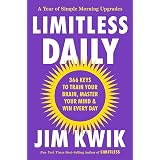
Limitless Daily: 366 Keys to Train Your Brain, Master Your Mind & Win Every Day
$27.49 (as of October 7, 2026 16:08 GMT +00:00 – More infoProduct prices and availability are accurate as of the date/time indicated and are subject to change. Any price and availability information displayed on [relevant Amazon Site(s), as applicable] at the time of purchase will apply to the purchase of this product.)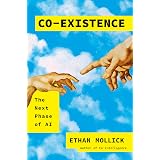
Co-Existence: The Next Phase of AI
$29.82 (as of October 7, 2026 16:08 GMT +00:00 – More infoProduct prices and availability are accurate as of the date/time indicated and are subject to change. Any price and availability information displayed on [relevant Amazon Site(s), as applicable] at the time of purchase will apply to the purchase of this product.)


Leave a Reply