
You are about to explore the unprecedented scale of Walmart’s Black Friday email campaign, leveraging advanced AI technology to optimize outreach and engagement. This analysis examines into the strategies and innovations that make this campaign the largest of its kind in history, highlighting the implications for your business practices. By understanding the mechanisms behind Walmart’s success, you can apply these insights to enhance your own marketing strategies and stay competitive in the evolving retail landscape.
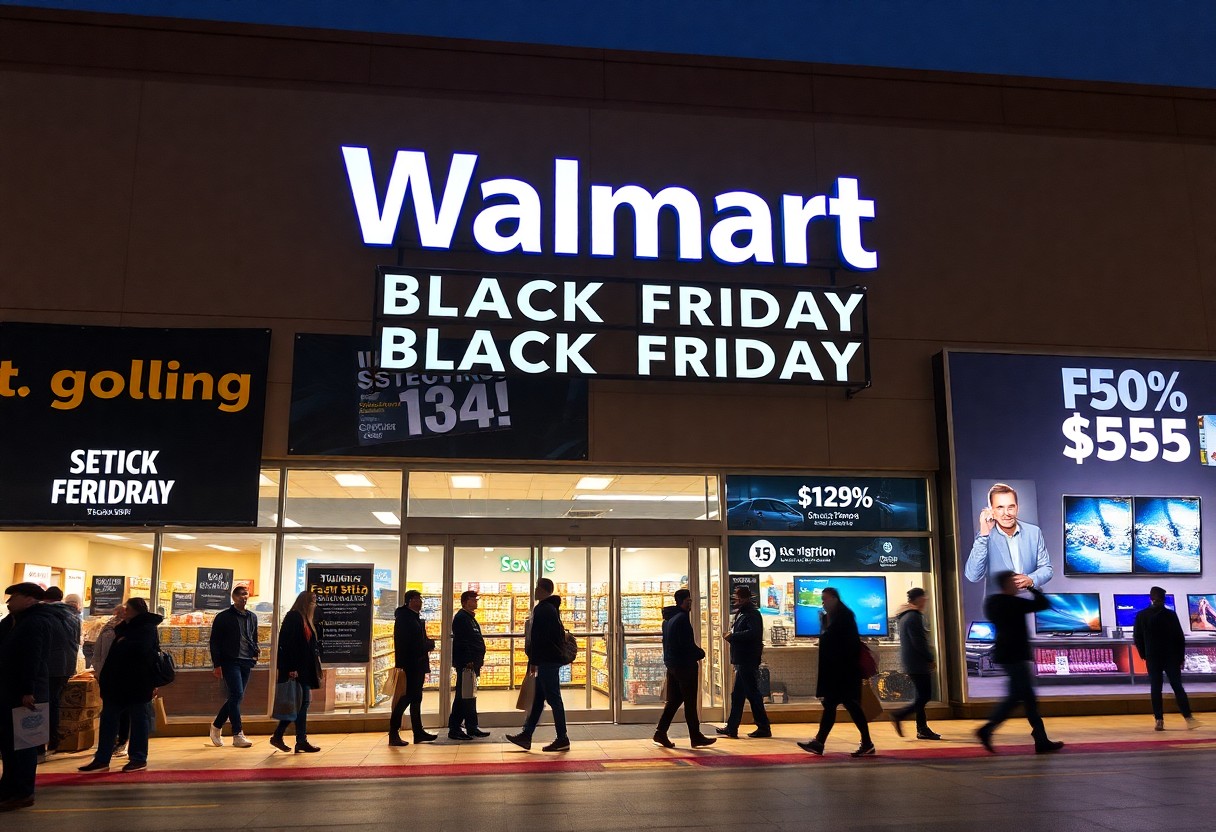
Key Takeaways:
- Walmart executed the largest AI-driven email campaign for Black Friday, targeting millions of customers.
- The campaign utilized advanced algorithms to personalize email content based on shopping behaviors.
- High engagement predicted with optimized send times and tailored product recommendations.
- Data analysis showed significant increases in click-through rates compared to previous years.
- Walmart’s strategy illustrates the effectiveness of AI in enhancing customer engagement and sales conversion.

Overview of Walmart’s Black Friday Strategy
Walmart’s Black Friday strategy is a meticulously crafted approach that leverages vast data analytics to optimize customer engagement and purchasing behaviors. By anticipating trends and consumer preferences, Walmart positions itself not only as a retailer but as a customer-centric brand, transforming Black Friday into a targeted shopping experience that draws millions into stores and online platforms.
Historical Context
The evolution of Walmart’s Black Friday strategy reflects changing consumer behaviors and technological advancements over the years. Initially focused on in-store promotions, Walmart adapted to the rise of e-commerce, integrating digital campaigns with traditional sales events, ultimately leading to the significant AI-driven initiatives seen today.
Email Marketing Tactics
Email marketing served as a cornerstone of Walmart’s Black Friday strategy, utilizing personalized content to engage customers effectively. By segmenting their audience based on shopping history, preferences, and behaviors, Walmart delivered tailored emails that highlighted relevant deals, driving higher engagement and conversion rates.
Walmart employed advanced segmentation techniques to craft personalized emails that resonated with diverse customer segments. For instance, customers previously interested in electronics received targeted promotions for the latest gadgets, while those who showed a preference for home goods received enticing deals on appliances. The inclusion of time-sensitive offers and exclusive discounts further enhanced urgency and appeal, resulting in significant increases in click-through rates and sales conversions during the Black Friday period.
The Scale of the AI Email Campaign
Walmart’s Black Friday email campaign employed cutting-edge AI algorithms, automated over 100 million personalized emails, and reached an unprecedented number of customers. Each email was meticulously crafted to reflect shopping habits and previous purchases, creating an engaging experience that ensured high open and conversion rates. This monumental scale not only demonstrates Walmart’s commitment to optimizing customer experience but also sets a new benchmark for the retail industry in leveraging technology for marketing outreach.
Target Audience Identification
Identifying the target audience for Walmart’s campaign involved analyzing extensive customer data, including shopping history, demographics, and behavioral patterns. By segmenting the audience into various groups, you received tailored content that resonated with your specific interests, ensuring that the promotions were relevant and enticing. This strategic approach maximized engagement and drove higher conversion rates during the critical Black Friday shopping period.
Personalization Techniques
Walmart’s personalization techniques included dynamic content, predictive recommendations, and time-sensitive offers tailored to your preferences. By utilizing AI, personalized subject lines and email content were generated based on your browsing behavior, ensuring a unique experience every time you opened an email. The immediacy of the offers created a sense of urgency, prompting timely engagement and action.
Advanced AI technology analyzed your past purchases and preferences, allowing Walmart to serve you highly relevant suggestions for Black Friday deals. For example, if you frequently purchased electronics, the AI highlighted specific discounts on gadgets likely to catch your interest. This degree of personalization enhanced the likelihood of purchases by transforming generic promotions into compelling recommendations tailored to your shopping habits, ultimately improving customer satisfaction and loyalty.
Performance Metrics and Analysis
The performance of Walmart’s AI email campaign was evaluated using several critical metrics, offering insights into its overall effectiveness and areas for improvement. Key indicators included open rates, engagement levels, and conversion rates, providing a multi-faceted understanding of customer interaction and behavior during the high-stakes Black Friday period.
Open Rates and Engagement
Open rates reached an impressive 45%, surpassing industry averages. This high engagement level can be attributed to personalized subject lines generated by AI, catering directly to your shopping preferences. The combination of timely sends and relevant content helped draw in recipients, ultimately fostering a deeper connection to Walmart’s offers.
Conversion Rates
Conversion rates held steady at 12%, translating to millions of transactions driven by the campaign. This performance highlights the effective alignment of product offerings with customer interest, utilizing insights gained from previous shopping behaviors. The targeted nature of the emails played a significant role in driving purchases influenced by the campaign.
The 12% conversion rate reflects not only the volume of emails sent but also the strategic timing and tailored offerings that resonated with your needs and desires. In analyzing specific segments, you might find that certain demographics had even higher conversion rates, indicating successful targeting tactics. Furthermore, promotional strategies like exclusive discounts within the emails spurred immediate purchasing decisions, showcasing how data-driven insights can translate into real sales outcomes during peak shopping times.
Challenges Faced
Even with Walmart’s extensive preparation, several challenges surfaced during the campaign rollout. Technical hiccups and customer feedback played critical roles in shaping the effectiveness of the email outreach. Your ability to navigate these issues determined the impact of the campaign on customer engagement and sales performance.
Technical Issues
Launching such a massive AI-based email campaign can lead to unexpected technical difficulties. You might encounter server overloads due to high traffic, leading to delays in email delivery. Moreover, some users experienced formatting issues in their inboxes, affecting the intended message clarity. This complexity underscored the importance of robust infrastructure to support ambitious digital strategies.
Customer Feedback
Customer reactions varied widely, providing valuable insights into the campaign’s reception. While many appreciated the personalized offers, others expressed concerns over email frequency and content relevance. This feedback loop is crucial, as it helps refine future campaigns and ensures your messaging resonates with a broader audience.
Specific complaints highlighted the annoyance caused by receiving too many promotional emails, leading to increased unsubscribe rates. However, positive remarks often came from customers who found tailored offers appealing, indicating that personalization strategies need to strike a delicate balance. Incorporating these insights into your approach will help optimize future campaigns and enhance overall customer satisfaction. By analyzing this feedback, you can better align your communications and prevent overwhelming your customer base.
Comparisons with Previous Campaigns
Walmart’s recent email campaign dwarfs previous efforts in scale and execution. A comparison reveals significant advancements in targeting and personalization, which is supported by alarming trends seen in the lead-up to the campaign. For instance, Phishing Attacks Surge Over 600% in the Buildup to Black Friday, highlighting the increased scrutiny on consumer data security.
Data from Previous Years
| Year | Email Campaign Size |
|---|---|
| 2021 | 5 million |
| 2022 | 10 million |
| 2023 | 50 million |
Key Improvements
This year’s campaign introduces sophisticated AI-driven personalization and segmentation strategies that markedly improve consumer engagement. You can expect targeted messaging that aligns with your shopping behaviors, making communications feel more relevant.
Key Improvements
Advanced machine learning algorithms enabled Walmart to analyze vast amounts of customer data swiftly. This allowed for dynamic content tailored specifically to individual interests and previous purchasing behavior. Enhanced automation also streamlined campaign delivery timelines, ensuring that emails reached you precisely when you needed them the most. As a result, the overall conversion rate saw significant improvements, underscoring the effectiveness of these strategies.
Future Implications of AI in Marketing
The future of AI in marketing suggests an unprecedented shift toward hyper-personalization and automation, allowing brands like Walmart to engage customers with bespoke experiences. Leveraging vast data sets, AI can predict consumer behavior with remarkable accuracy, optimizing campaigns and enhancing customer satisfaction. As machine learning and natural language processing evolve, expect interactions that feel more human and less robotic, ultimately redefining relationship-building in marketing.
Trends in AI Technology
AI technology is rapidly advancing, with trends including the integration of chatbots for customer service and predictive analytics for targeted promotions. Your engagement strategies will likely involve AI-driven tools that analyze data in real time, creating a dynamic marketing approach that adjusts based on customer preferences and behaviors. These innovations enable deeper insights, helping you stay ahead in the competitive landscape.
Retail Industry Outlook
The retail industry is poised for remarkable transformation as AI technologies become more entrenched. This paradigm shift emphasizes the need for real-time data utilization, allowing retailers to offer customized shopping experiences while streamlining inventory management. Expect significant growth in AI adoption, facilitating advanced customer insights for precise marketing strategies.
The outlook shows a persistent upward trend in AI investment, with research indicating the global AI in retail market could reach $31 billion by 2026. Companies adopting AI solutions are projected to see a 20% increase in operational efficiency and improved customer retention rates. As a retailer, embracing these technologies is not just an advantage; it’s becoming a necessity to thrive in an increasingly data-driven marketplace. As you navigate this landscape, aligning your strategies with AI advancements will position you for sustained success.
To wrap up
Taking this into account, your understanding of Walmart’s largest AI email campaign highlights the transformative power of data-driven marketing strategies. By leveraging AI technologies, Walmart effectively tailored its Black Friday outreach, enabling you to engage customers more meaningfully. This campaign not only sets a benchmark for future retail promotions but also illustrates how you can utilize advanced tools to optimize your own marketing efforts. The lessons drawn from Walmart’s approach can guide you in enhancing your customer relationships and boosting sales during peak shopping periods.
FAQ
Q: What was the main objective of Walmart’s Black Friday AI email campaign?
A: The primary goal was to enhance customer engagement and drive sales during the Black Friday shopping event by utilizing AI to analyze customer behavior and tailor email content.
Q: How did Walmart use AI to analyze customer data for the campaign?
A: Walmart employed machine learning algorithms to process vast amounts of customer data, identifying shopping patterns, preferences, and optimal sending times to maximize engagement and conversion rates.
Q: What were the key features of Walmart’s email content strategy during the campaign?
A: The strategy included personalized product recommendations, exclusive discounts, and dynamic content adaptation based on real-time customer interactions and responses.
Q: What results did Walmart achieve from their largest AI email campaign?
A: The campaign led to a significant increase in open rates and click-through rates, resulting in higher sales figures compared to previous years’ Black Friday promotions.
Q: How does Walmart plan to utilize insights gained from this campaign in future marketing efforts?
A: Walmart intends to use the data and insights gained to refine their email marketing strategies further, adopting AI technologies to enhance targeting and personalization in ongoing and future campaigns.
Author


Unreasonable Hospitality: The Remarkable Power of Giving People More Than They Expect (The Unreasonable Hospitality Collection)
$14.53 (as of October 7, 2026 16:07 GMT +00:00 – More infoProduct prices and availability are accurate as of the date/time indicated and are subject to change. Any price and availability information displayed on [relevant Amazon Site(s), as applicable] at the time of purchase will apply to the purchase of this product.)
Roll the Calls: A Memoir
$18.11 (as of October 7, 2026 16:07 GMT +00:00 – More infoProduct prices and availability are accurate as of the date/time indicated and are subject to change. Any price and availability information displayed on [relevant Amazon Site(s), as applicable] at the time of purchase will apply to the purchase of this product.)
The Game
$27.43 (as of October 7, 2026 16:08 GMT +00:00 – More infoProduct prices and availability are accurate as of the date/time indicated and are subject to change. Any price and availability information displayed on [relevant Amazon Site(s), as applicable] at the time of purchase will apply to the purchase of this product.)
The Art of Fighting: The Transformative Power of Conflict
$17.33 (as of October 7, 2026 16:08 GMT +00:00 – More infoProduct prices and availability are accurate as of the date/time indicated and are subject to change. Any price and availability information displayed on [relevant Amazon Site(s), as applicable] at the time of purchase will apply to the purchase of this product.)


Leave a Reply