
You are about to begin on a business venture, but have you stopped to consider the broader implications of your actions? As you navigate the world of commerce, your decisions will have a lasting impact on your community and the environment. You must think carefully about the ethical and social consequences of your business, as they can affect not only your reputation, but also the well-being of those around you, making it imperative to prioritize responsible practices from the outset.
Key Takeaways:
When considering the impact of your business endeavor, there are several ethical and social factors to evaluate. Here are some key points to consider:
- Understanding the environmental effects of your business is crucial to minimize harm and promote sustainability.
- Ensuring fair labor practices and equal opportunities for all employees is vital for maintaining a positive reputation and fostering a positive work environment.
- Developing a corporate social responsibility strategy can help your business make a positive impact on the community and promote social justice.
- Being transparent and accountable in your business dealings can help build trust with customers, investors, and other stakeholders.
- Considering the long-term consequences of your business decisions can help you make

Business Ethics
The foundation of your business endeavor is built on ethical principles that guide your decisions and actions. Your commitment to ethics sets the tone for your organization’s culture and reputation.
Moral Implications
By examining your business practices, you can identify areas where moral implications may arise, enabling you to make informed decisions that align with your values and principles.
Social Responsibility
Against the backdrop of societal expectations, your business has a responsibility to contribute positively to the community, and you must consider the impact of your actions on stakeholders and the environment.
Business owners like you have a significant influence on the community, and your social responsibility extends to creating a positive impact through sustainable practices, fair labor standards, and philanthropy, which can ultimately enhance your reputation and contribute to long-term success.
Impact On Stakeholders
Clearly, your business endeavor has a significant impact on various stakeholders, including employees, customers, and the community. You must consider the ethical and social implications of your decisions on these groups.
Employee Welfare
Altogether, you should prioritize your employees’ well-being, providing a safe and healthy work environment, fair compensation, and opportunities for growth and development, as your employees are the backbone of your organization.
Customer Relations
Prior to making any business decisions, you should consider the potential effects on your customers, ensuring that your products or services meet their needs and expectations, and that you maintain transparent and honest communication with them.
Impact on your customers can be long-lasting, and you should strive to build trust and loyalty by delivering high-quality products and services, and addressing any concerns or issues promptly and fairly, as your customers are the lifeblood of your business, and their satisfaction is imperative to your success.
Environmental Considerations
Many businesses have a significant impact on the environment, and you should consider the effects of your operations on the planet. Your company’s environmental footprint can affect not only the ecosystem but also your reputation and bottom line.
Sustainability
The sustainability of your business practices is closely tied to your environmental considerations. You need to think about how your operations will impact the environment in the long term and make adjustments to minimize harm.
Eco-Friendliness
Behind every successful business is a commitment to eco-friendliness, and you should strive to make your operations as environmentally friendly as possible. You can start by reducing waste and using renewable energy sources.
Further exploration of eco-friendliness in your business reveals a wide range of opportunities for improvement, from sourcing materials to reducing carbon emissions. You can implement practices such as recycling, using energy-efficient equipment, and supporting sustainable suppliers to reduce your environmental impact and enhance your brand reputation.
Community Engagement
Once again, your business endeavor has a significant impact on the community, and it is crucial to consider the effects of your actions on the people around you. You must think about how your business operations, hiring practices, and supply chain management influence the local community and its residents.
Social Outreach
Obviously, on a local level, you can participate in community events, sponsor local initiatives, and engage with your customers to build a positive reputation and foster a sense of belonging. You can also use your business as a platform to raise awareness about social issues and promote positive change.
Philanthropy
Philanthropically, you can make a significant difference in your community by donating to local charities, volunteering your time, and supporting causes that align with your business values. You can also encourage your employees to participate in philanthropic efforts, which can help to boost morale and create a sense of purpose.
Due to the potential benefits of philanthropy, you may want to consider incorporating charitable giving into your business model. You can explore different options, such as donating a portion of your profits to a local charity or establishing a foundation to support community development projects. By doing so, you can not only make a positive impact on your community but also enhance your business’s reputation and attract customers who share your values.
Reputation And Branding
Not only does your business endeavor impact your bottom line, but it also affects how you are perceived by your customers and the wider community. Your reputation and branding are intertwined, influencing how your business is viewed and trusted.
Public Perception
With every decision you make, you shape the public’s opinion of your business, creating a lasting impression that can either attract or deter customers, ultimately affecting your success.
Corporate Image
Around every business is an image that is formed by the actions and decisions you make, and this image can greatly impact your ability to attract customers and build trust with your audience.
In addition, your corporate image is a reflection of your values and mission, and when you prioritize ethical business practices, you demonstrate to your customers that you are committed to operating with integrity, which can lead to increased loyalty and trust in your brand, and ultimately, long-term success for your business.
Regulatory Compliance
Keep in mind that regulatory compliance is crucial for your business, as it ensures you operate within the legal framework. You can find more information on addressing ethical challenges by visiting Addressing Ethical Challenges: Social Responsibility Versus Profitability In Business to make informed decisions.
Legal Obligations
Before you start your business, you need to understand your legal obligations, including licenses, permits, and tax laws that apply to your business, to avoid any potential issues.
Industry Standards
With industry standards in place, you can ensure your business operates ethically and responsibly, which can enhance your reputation and build trust with your customers.
A key aspect of industry standards is adherence to best practices, which can help you stay ahead of the competition and maintain a positive image, as you strive to make your business successful and sustainable in the long run, considering the well-being of your customers and the environment.
Final Words
On the whole, you must consider the ethical and social ramifications of your business endeavor. You need to assess how your actions affect your customers, employees, and the environment. Your decisions have a significant impact, and you should strive to make a positive difference. By being aware of your responsibilities, you can ensure your business is sustainable and socially responsible, ultimately benefiting your company and the community you serve. You will then be able to build a strong reputation and maintain your customers’ trust.
FAQ
Q: What are the potential social implications of our business on the local community?
A: Our business endeavor aims to have a positive impact on the local community by creating job opportunities, stimulating economic growth, and promoting social responsibility. We strive to build strong relationships with local stakeholders, support small businesses, and contribute to the well-being of the community through various initiatives and partnerships. By doing so, we hope to foster a sense of trust and loyalty among our customers and the community at large.
Q: How do you ensure that your business practices are environmentally sustainable and responsible?
A: We prioritize environmental sustainability in all aspects of our business operations, from sourcing materials to managing waste. Our goal is to minimize our carbon footprint and reduce our impact on the environment. We implement eco-friendly practices, invest in renewable energy, and promote sustainable consumption among our customers. Additionally, we ensure that our supply chain partners adhere to similar environmental standards, promoting a culture of sustainability throughout our entire business ecosystem.
Q: What measures do you take to protect the rights and dignity of your employees and stakeholders?
A: We are committed to providing a safe, respectful, and inclusive work environment that values diversity and promotes equal opportunities for all employees. We have implemented policies and procedures to prevent discrimination, harassment, and mistreatment, and we ensure that all employees are treated with dignity and respect. We also engage with our stakeholders, including suppliers, customers, and partners, to promote fair labor practices, transparency, and accountability throughout our business operations.
Q: How do you address potential conflicts of interest and ensure transparency in your business dealings?
A: We maintain the highest standards of transparency and accountability in all our business dealings, ensuring that our actions are guided by integrity, honesty, and fairness. We have established a robust governance framework that identifies and manages potential conflicts of interest, and we disclose all relevant information to our stakeholders in a timely and transparent manner. Our commitment to transparency and accountability helps build trust with our customers, employees, and partners, and enables us to maintain a strong reputation in the market.
Q: What steps do you take to contribute to the greater good and give back to society through your business endeavor?
A: We believe that our business has a responsibility to contribute to the greater good and make a positive impact on society. We engage in various philanthropic initiatives, support local charities, and participate in community development projects that promote education, healthcare, and social welfare. We also encourage our employees to volunteer and participate in community service activities, fostering a culture of social responsibility and community engagement throughout our organization. By giving back to society, we aim to create a lasting positive legacy that extends beyond our business operations.
Author


Influence, New and Expanded: The Essential Guide to the Psychology of Influence and Persuasion in Everyday Life
$13.25 (as of October 5, 2026 17:53 GMT +00:00 – More infoProduct prices and availability are accurate as of the date/time indicated and are subject to change. Any price and availability information displayed on [relevant Amazon Site(s), as applicable] at the time of purchase will apply to the purchase of this product.)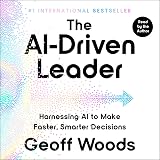
The AI-Driven Leader: Harnessing AI to Make Faster, Smarter Decisions
$13.13 (as of October 5, 2026 17:54 GMT +00:00 – More infoProduct prices and availability are accurate as of the date/time indicated and are subject to change. Any price and availability information displayed on [relevant Amazon Site(s), as applicable] at the time of purchase will apply to the purchase of this product.)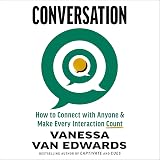
Conversation: How to Connect with Anyone & Make Every Interaction Count
$17.33 (as of October 5, 2026 17:53 GMT +00:00 – More infoProduct prices and availability are accurate as of the date/time indicated and are subject to change. Any price and availability information displayed on [relevant Amazon Site(s), as applicable] at the time of purchase will apply to the purchase of this product.)
I Disagree: Winning Arguments Without Losing Friends
$14.18 (as of October 5, 2026 17:54 GMT +00:00 – More infoProduct prices and availability are accurate as of the date/time indicated and are subject to change. Any price and availability information displayed on [relevant Amazon Site(s), as applicable] at the time of purchase will apply to the purchase of this product.)


Leave a Reply