
You can significantly enhance your customer retention strategies by implementing smart email automation. This powerful tool helps you engage with your audience on a personal level, sending targeted messages that resonate with their needs and preferences. By automating your email outreach, you ensure timely communication, nurture relationships, and encourage repeat business—all while saving time and reducing manual efforts. Explore how leveraging this technology can not only boost your retention rates but also build stronger bonds with your customers.
Key Takeaways:
- Email automation allows for personalized communication, catering to individual customer preferences and enhancing engagement.
- Timely follow-ups and reminders can significantly improve customer satisfaction and reduce churn rates.
- Segmenting your audience enables more targeted campaigns, ensuring that the right message reaches the right customers.
- Automated feedback requests can help gather insights into customer experiences, leading to valuable improvements in products or services.
- Utilizing data analytics can refine your email strategies, resulting in more effective retention campaigns over time.
Understanding Customer Retention
Your ability to retain customers significantly impacts your business’s long-term success and profitability. Customer retention is the process of maintaining ongoing relationships with existing customers, ensuring they remain loyal to your brand. By fostering these connections, you not only enhance customer satisfaction but also increase the lifetime value of each client. Emphasizing retention enables you to focus on creating personal experiences that resonate with your audience, ultimately driving engagement and advocacy for your brand.
Importance of Customer Retention
Along with acquiring new customers, retaining existing ones is imperative for sustainable growth. Loyal customers tend to spend more and are more likely to refer others to your business. Additionally, investing in retention strategies often costs less than sourcing new leads, making it a smart approach to maximize your marketing budget. By prioritizing customer retention, you create a solid foundation for long-term success that can withstand market fluctuations.
Key Metrics for Measuring Retention
Retention metrics provide valuable insights into how well you are keeping your customers engaged and satisfied. These metrics can include customer retention rate, churn rate, and net promoter score (NPS), all of which help you gauge the health of your customer relationships. Tracking these indicators allows you to identify areas needing improvement and adjust your strategies accordingly.
Indeed, understanding these key retention metrics is vital for refining your approach. For example, a high customer retention rate indicates that your strategies are effective and your customers are engaged. In contrast, a higher churn rate suggests that your customers are leaving, prompting you to investigate the underlying causes. Utilizing net promoter scores (NPS) can also provide insight into customer satisfaction, letting you understand how likely your customers are to recommend your brand to others. By regularly assessing these metrics, you can proactively develop targeted interventions to bolster your retention efforts.

What is Smart Email Automation?
Any business looking to enhance customer retention can benefit from smart email automation. This innovative approach allows you to send tailored messages based on customer behavior, preferences, and interactions with your brand. By using advanced algorithms, you can streamline your communication strategies, ensuring that your customers receive relevant and timely information that resonates with their needs and interests.
Definition and Features
Along with personalized content delivery, smart email automation includes features such as segmentation, scheduling, and real-time analytics. This system enables you to automatically trigger emails based on specific actions, like website visits or purchase history, allowing for a more engaging customer experience. As a result, you can nurture relationships more effectively while optimizing your marketing efforts.
How It Differs from Traditional Email Marketing
The key difference between smart email automation and traditional email marketing lies in the level of personalization and responsiveness. Traditional methods often rely on generic, one-size-fits-all messages that can lead to disengagement.
At the heart of smart email automation is its ability to adapt to your customers’ behaviors in real time. Unlike traditional email marketing, which may send out static newsletters or promotions, smart automation utilizes data and insights to create dynamic content tailored specifically to each recipient. This means that your communication is more relevant and timely, increasing the chances of retaining your valued customers and enhancing their overall experience with your brand.
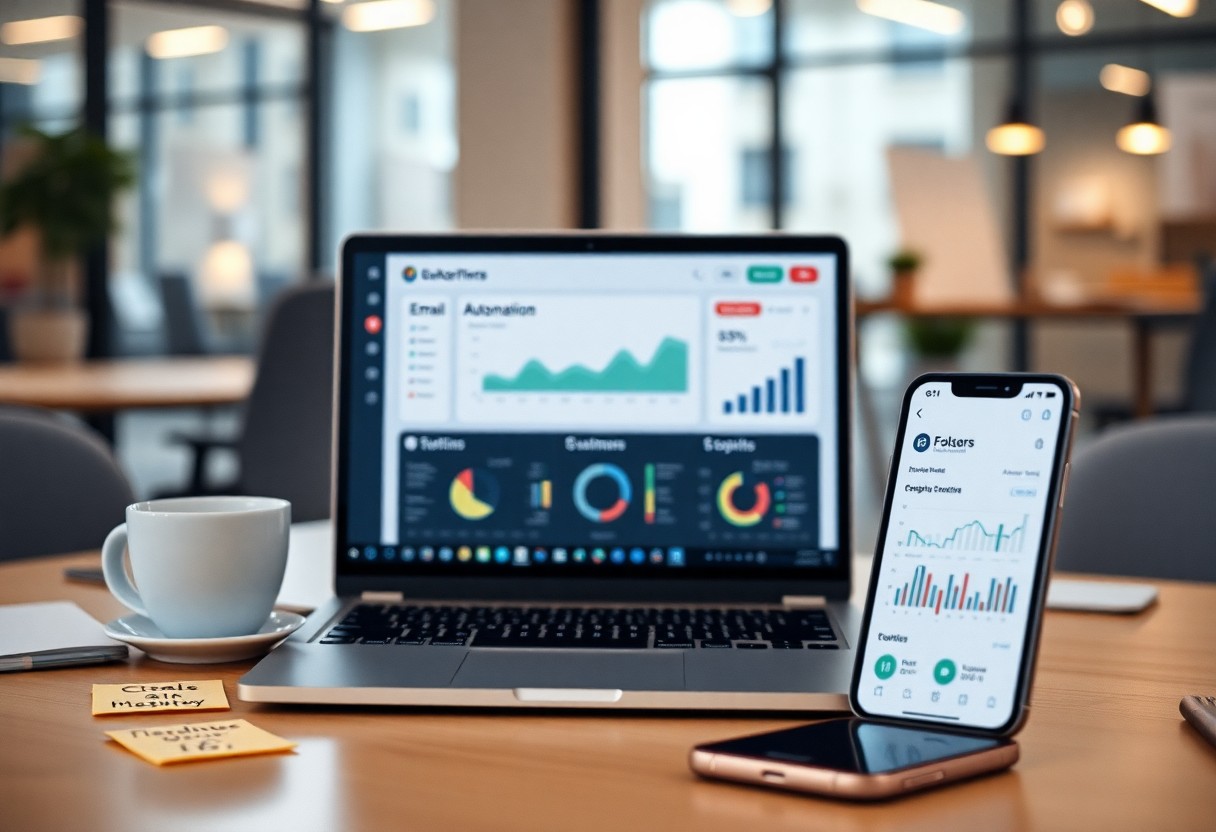
Benefits of Smart Email Automation for Customer Retention
Now, integrating smart email automation into your customer retention strategies can significantly enhance engagement and loyalty. By streamlining communication, you can provide timely and relevant content that resonates with your audience. This not only helps maintain brand visibility but also fosters deeper relationships with your customers over time. With the right automation tools, you can effortlessly identify and cater to the unique needs of each customer segment, ultimately maximizing your retention efforts.
Personalization and Targeting
Personalization is at the heart of effective email automation. By leveraging customer data, you can tailor your messages to reflect individual preferences and behaviors, making your communications feel more relevant and engaging. When your emails speak directly to your customers, showcasing products or content based on their previous interactions, you increase the likelihood of retention. This targeted approach translates into stronger connections and promotes customer loyalty.
Timeliness and Relevance
Against a backdrop of information overload, timely and relevant email communication stands out. Sending emails that coincide with key moments in your customer lifecycle—like post-purchase follow-ups or birthday greetings—ensures that you’re on their radar when it matters most. This strategic timing fosters a sense of appreciation, encouraging ongoing engagement and loyalty.
And when you prioritize timely communications, you can effectively address your customers’ needs as they arise. This proactive approach helps you keep your brand top-of-mind and reduces the likelihood of customers drifting away. By delivering relevant content precisely when your customers are most receptive, you not only enhance their experience but also solidify their trust in your brand, laying the foundation for lasting loyalty.
Strategies to Implement Smart Email Automation
All businesses can enhance their customer retention efforts through smart email automation. By employing targeted strategies, you can ensure that your communications are relevant, timely, and engaging, ultimately leading to improved customer loyalty and satisfaction. This includes the optimization of segmentation, personalized content creation, and the design of well-timed automated campaigns.
Segmentation of Customer Lists
Any successful email automation strategy begins with effective segmentation of your customer lists. By categorizing your audience based on behaviors, preferences, and demographics, you can tailor your messaging to meet their specific needs. This targeted approach helps you engage customers more meaningfully and boosts your chances of retention.
Designing Automated Email Campaigns
With automated email campaigns, you can maintain ongoing communication with your customers without the constant manual effort. By setting up workflows that trigger messages based on customer actions or milestones, you can keep your brand top-of-mind and encourage repeat interactions.
A key aspect of designing automated email campaigns is to ensure that your messages resonate with your audience. This means using data from customer interactions to create content that speaks directly to their interests and needs. Integrating personalized elements, such as name and purchase history, can further enhance engagement. Additionally, effective timing is imperative; sending follow-ups after a purchase or cart reminders can convert potential churn into renewed interest. By focusing on these elements, your automated campaigns will foster connections that lead to long-term customer loyalty.
Analyzing the Impact of Smart Email Automation
Not only does smart email automation enhance the efficiency of your campaigns, but it also offers invaluable insights into your customer retention strategies. By leveraging automation tools, you can gain a deeper understanding of customer behavior and preferences, enabling you to tailor your messaging effectively. This analysis allows you to refine your approach, ultimately strengthening your relationship with customers and driving long-term loyalty.
Tracking Engagement Metrics
Between open rates, click-through rates, and conversion metrics, tracking engagement metrics provides a clear picture of how your audience interacts with your automated emails. By analyzing these metrics, you can identify trends and patterns that reveal what resonates with your customers. This data enables you to make informed decisions about your content and frequency, enhancing your overall retention strategy.
A/B Testing for Optimization
Any successful email strategy hinges on understanding what works best for your audience, and A/B testing is an effective method to achieve this. By testing different subject lines, content layouts, or calls-to-action, you can determine which variations yield higher engagement and retention rates. This iterative approach ensures that each email you send is optimized for maximum impact.
Understanding the specifics of each A/B test can provide you with powerful insights into customer preferences. For instance, you might discover that a particular subject line captures attention better than another, or that a specific layout leads to higher conversion rates. By systematically experimenting with different elements, you can create a data-driven approach, tailoring your email content to what genuinely resonates with your audience, thus enhancing customer retention and loyalty over time.
Case Studies: Success Stories
After examining various companies, it becomes clear how smart email automation can significantly enhance customer retention. Here are some compelling case studies:
- Company A saw a 20% increase in repeat purchases after implementing personalized email campaigns.
- Company B improved customer engagement rates by 35% through targeted re-engagement emails.
- Company C reduced churn by 25% within six months using automated follow-up sequences based on customer behavior.
- Company D achieved a 40% increase in lifetime value by leveraging email automation for customer onboarding.
For more insights, check out The Ultimate Guide to Marketing Automation for Customer ….
Businesses Using Email Automation Effectively
Case studies demonstrate that email automation transforms customer interactions for numerous businesses, leading to heightened loyalty and engagement. Companies utilizing sophisticated strategies can personalize customer experiences, ensuring they receive relevant and timely content that resonates with their needs.
Lessons Learned from Implementation
Success comes from understanding that the right email automation tools can provide invaluable insights into customer preferences. By analyzing data, you can refine your approach and address specific pain points in your customer journey.
Indeed, understanding the analytics from your email campaigns can lead to adjustments that optimize your strategies. Recognizing trends in customer behavior allows for proactive engagement, driving retention. It’s vital to continually assess the effectiveness of your campaigns and be prepared to pivot when necessary, ensuring you maintain relevance and keep your audience engaged.
Conclusion
The integration of smart email automation into your marketing strategy can significantly enhance your customer retention efforts. By personalizing communication, timely follow-ups, and targeted offers, you can create a seamless, engaging experience that keeps customers coming back. Utilizing automation tools allows you to efficiently nurture relationships, ensuring that your messaging resonates with your audience while saving you valuable time. Embrace this technology to elevate your brand loyalty and ultimately drive sustainable growth.
FAQ
Q: What is smart email automation?
A: Smart email automation refers to the use of advanced tools and strategies to create personalized, timely, and relevant email campaigns for your audience. By leveraging customer data, behavior analysis, and segmentation, businesses can automatically send targeted messages at optimal times, enhancing engagement and driving customer loyalty.
Q: How does smart email automation improve customer retention?
A: By utilizing smart email automation, businesses can consistently communicate with their customers while providing personalized content. This approach helps in keeping customers engaged and informed, making them feel valued. Automated follow-ups, reminders, and tailored recommendations encourage repeat purchases and foster long-term relationships with customers.
Q: Can smart email automation enhance customer engagement?
A: Absolutely! Smart email automation enhances customer engagement by delivering relevant content directly to the inbox. Segmented mailing lists allow businesses to tailor messages based on customer preferences and purchasing behavior, leading to higher open and click-through rates, ultimately resulting in increased customer interaction and loyalty.
Q: What are some examples of automated emails that can aid in retention?
A: Examples of automated emails that can support customer retention include welcome emails for new subscribers, personalized product recommendations based on past purchases, birthday or anniversary messages, re-engagement campaigns for inactive customers, and order follow-ups for feedback and reviews. Each of these emails helps maintain a connection with customers and encourages future interactions.
Q: How can businesses measure the effectiveness of their email automation strategy?
A: Businesses can track the effectiveness of their email automation strategy through key performance indicators (KPIs) such as open rates, click-through rates, conversion rates, and customer retention rates. Analyzing these metrics helps identify which automated messages resonate with the audience and allows businesses to refine their strategy to enhance results further.
Author


Atomic Habits: An Easy & Proven Way to Build Good Habits & Break Bad Ones
$15.75 (as of October 8, 2026 16:16 GMT +00:00 – More infoProduct prices and availability are accurate as of the date/time indicated and are subject to change. Any price and availability information displayed on [relevant Amazon Site(s), as applicable] at the time of purchase will apply to the purchase of this product.)
Behind the Castle Walls: My Thirty Years at the Happiest Place on Earth
$17.71 (as of October 8, 2026 16:16 GMT +00:00 – More infoProduct prices and availability are accurate as of the date/time indicated and are subject to change. Any price and availability information displayed on [relevant Amazon Site(s), as applicable] at the time of purchase will apply to the purchase of this product.)
The Nerd Reich: Silicon Valley Fascism and the War on Democracy
$26.85 (as of October 8, 2026 16:16 GMT +00:00 – More infoProduct prices and availability are accurate as of the date/time indicated and are subject to change. Any price and availability information displayed on [relevant Amazon Site(s), as applicable] at the time of purchase will apply to the purchase of this product.)
Thinking, Fast and Slow
$11.52 (as of October 8, 2026 16:16 GMT +00:00 – More infoProduct prices and availability are accurate as of the date/time indicated and are subject to change. Any price and availability information displayed on [relevant Amazon Site(s), as applicable] at the time of purchase will apply to the purchase of this product.)


Leave a Reply