
What is the difference between SCORE and an SBDC?
SCORE provides free mentorship from volunteer business veterans, making it ideal for high-level advice and brainstorming. Small Business Development Centers (SBDCs) offer professional, technical consulting on business plans, financial reporting, and regulatory compliance, which is often required for securing bank loans.
Are SBA startup support services really free?
Yes, most counseling and mentoring through SBA partners like SCORE and SBDCs are free. Some specialized workshops or long-term training programs may charge a nominal fee to cover materials, but the core advisory services are funded by federal and state grants.
How do I find small business support near me?
You can use the SBA’s “Local Assistance” tool on their website to find the nearest SCORE chapter, SBDC, or Women’s Business Center by entering your zip code. These centers are located in nearly every major city and many rural areas across the U.S.
Business owners like you can access top startup support across the U.S.-SBA offices, SCORE mentors, Small Business Development Centers, incubators and accelerators offering funding guidance, mentorship and training to help you start and scale with confidence.
Key Takeaways:
- U.S. Small Business Administration (SBA) offers loans, grants, training, and local district offices across the country.
- SCORE provides free, experienced-mentor counseling and templates through local chapters and online workshops.
- Small Business Development Centers (SBDCs) based at universities deliver low-cost consulting, business planning, and market research support.
- Incubators and accelerators in hubs like Silicon Valley, Boston, Austin, and New York connect startups with mentorship, seed funding, and coworking resources.
- Local banks, credit unions, economic development agencies, and online services such as LegalZoom, QuickBooks, and Stripe Atlas handle funding, legal formation, accounting, and payments.

Federal Government Resources and Agencies
You can access federal small business resources through agencies offering funding, training, and contracting opportunities, including grants, loan guarantees, and technical assistance that support growth and compliance across industries.
The U.S. Small Business Administration (SBA) Ecosystem
SBA programs connect you with loans, local district offices, online courses, and procurement assistance, helping you secure capital and understand federal contracting requirements.
SCORE Mentorship and Advisory Programs
SCORE pairs you with volunteer mentors who provide free advice, workshops, and templates to refine plans, pitch decks, and marketing strategies.
Through one-on-one mentoring, you receive tailored guidance on financing, customer acquisition, legal setup, and pitch preparation, plus access to local workshops, webinars, and free templates; mentors often review business plans and suggest practical next steps.
State-Level Economic Development Initiatives
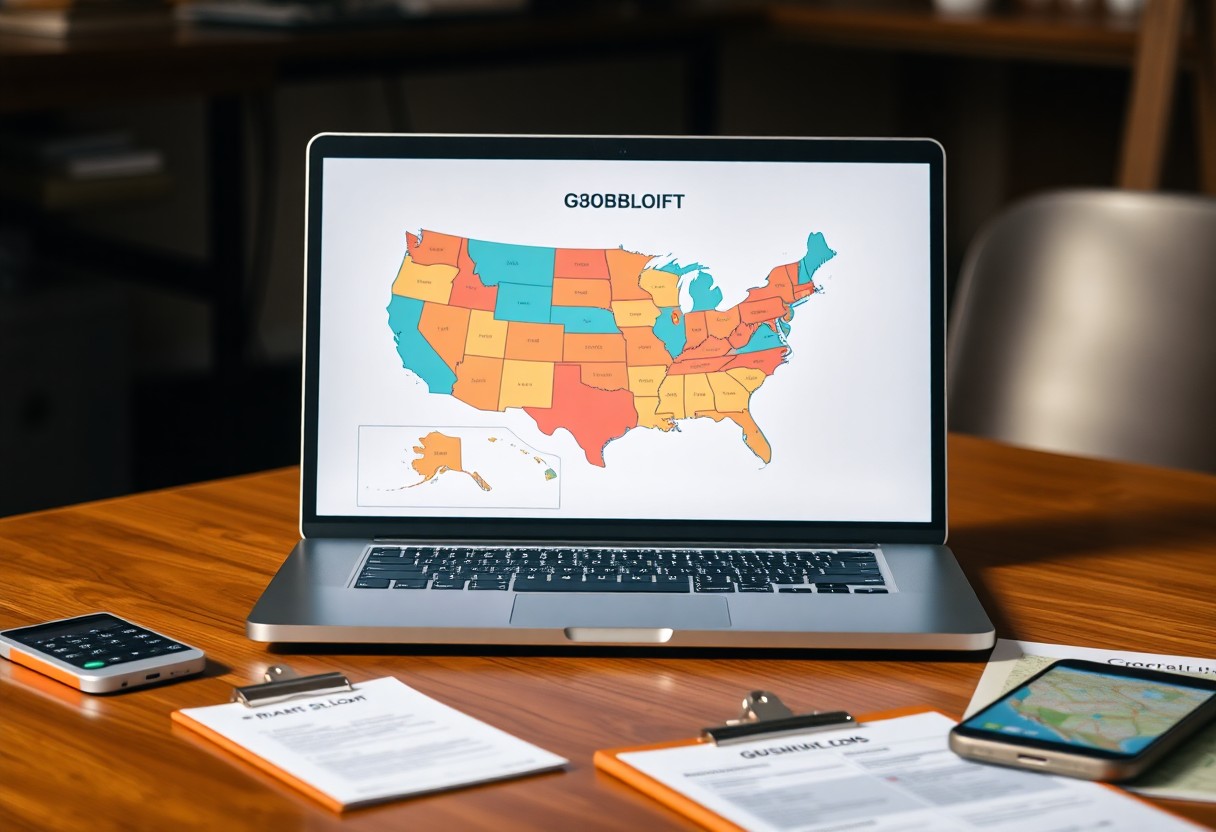
States channel incentives, workforce training, and local funding into programs that help you connect with SBDCs and regional grant opportunities to reduce costs and accelerate launch timelines.
Small Business Development Centers (SBDCs)
SBDCs provide free one-on-one counseling, workshops, and market research so you can refine plans, prepare loan applications, and strengthen investor pitches with practical, local guidance.
Regional Grants and Tax Incentive Programs
Regions offer grants, tax credits, and site-preparation funds that can lower startup expenses; you can target programs by industry, location, or job-creation goals to maximize benefit.
Explore available grants by checking state economic development sites, local EDO notices, and SBDC advisors to find deadlines, eligibility, and required match rates. Check whether programs demand job projections, capital expenditure plans, or compliance reporting, and prepare financials and a simple impact narrative. Many awards require quarterly reporting and can affect tax filings, so align applications with your accountant and allow weeks for review and approval.
Private Sector Incubators and Accelerators
Private incubators and accelerators connect you with investors, tailored programming, and rapid pilot opportunities to scale quickly; you gain access to mentors, coworking, and Demo Day exposure that can shorten your time-to-market and solidify investor relationships.
High-Growth Tech and Innovation Hubs
Coastal hubs like Silicon Valley and Boston surround you with talent pools, venture capital, and university partnerships that accelerate product development and market fit testing for scalable startups.
Industry-Specific Mentorship Frameworks
Sector-specific mentors pair you with advisors experienced in healthcare, fintech, or manufacturing to help refine regulatory strategy, product-market fit, and investor introductions tailored to your field.
Mentors matched through industry frameworks give you structured milestones, regular office hours, and sector-specific curriculum; they facilitate pilot partnerships, make regulator and buyer introductions, and set measurable KPIs so you can track progress and present stronger pitches to specialized investors.
Community and Non-Profit Support Organizations
Local nonprofits offer workshops, mentorship, and grant programs tailored to your startup stage, connecting you with volunteers, incubators, and peer networks that reduce early risks and costs.
Community Development Financial Institutions (CDFIs)
CDFIs provide flexible loans, credit-building services and business coaching that help you secure funding when traditional banks say no.
Minority and Women-Owned Business Alliances
Alliances connect you with certification guidance, targeted grants, supplier-diversity programs, and advocacy that open procurement and capital opportunities.
Groups help you secure WBE/MBE certification, prepare competitive bids for corporate supplier-diversity programs, and obtain mentorship, pro bono legal help, and pitch coaching; many run supplier-match events and partner with CDFIs and local governments to connect you with contracts, grants, and alternative financing.
Academic and University-Led Research Parks
University research parks connect you with labs, mentorship, and affordable office space near campus, speeding product development and offering access to specialized equipment and industry partners.
Technology Transfer and Commercialization Offices
Technology transfer offices guide you through licensing, patenting, and startup formation, pairing campus inventions with investor networks and legal support to move ideas toward market.
Student-Led Entrepreneurship Centers
Student-led centers connect you to peer teams, prototyping studios, and low-cost advising so you can test business models quickly while benefiting from campus resources.
Alumni mentors and faculty advisers help you refine pitches, run workshops, host pitch competitions, and connect you with seed funding and incubation slots on campus.
Digital Platforms and Virtual Support Networks
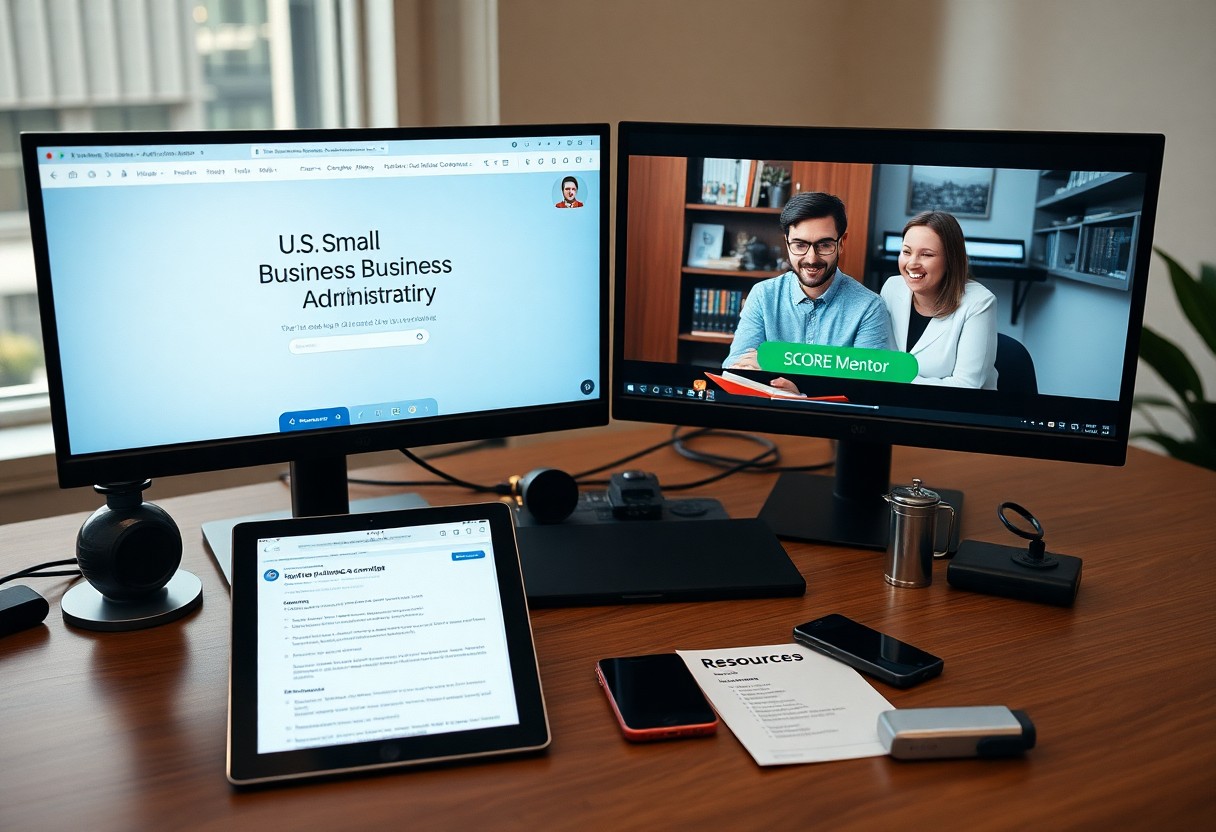
Online platforms connect you with mentors, funding directories, collaborative tools and micro-accelerators, helping you tap peer networks and on-demand expertise without geographic limits.
Online Legal and Administrative Compliance Services
Legal services streamline filings, contracts and compliance workflows, guiding you through registrations, tax steps and document templates to reduce risk and administrative load.
E-Learning Portals for Strategic Management
Courses on e-learning portals teach you strategic planning, market analysis, financial modeling and team leadership through short modules, simulations and startup-specific case studies.
Platforms often provide modular tracks, live workshops, downloadable templates and mentor office hours so you can practice strategy in realistic scenarios; choose programs with startup case studies, peer cohorts and measurable assessments to track progress and produce investor-ready plans.

To wrap up
Now you can find top startup support across federal, state, and local resources: the SBA, Small Business Development Centers, SCORE mentors, university incubators, accelerators, community banks, and specialized online platforms for funding and guidance.
FAQ
Q: Where can I find the most reliable national small business startup support services?
A: The U.S. Small Business Administration (SBA) and its network of resource partners provide the most reliable nationwide support. Local Small Business Development Centers (SBDCs) offer free one-on-one counseling and workshops. SCORE provides free and low-cost mentoring from experienced entrepreneurs. Women’s Business Centers and Veterans Business Outreach Centers serve specific entrepreneur groups with tailored programs. Private providers such as LegalZoom, Rocket Lawyer, QuickBooks, Gusto, and Stripe Atlas supply affordable formation, legal, payroll, and accounting tools. Accelerators and incubators with national reach include Y Combinator, Techstars, and 500 Startups for scalable startups seeking mentorship and investor introductions.
Q: Which U.S. cities or regions offer the strongest startup ecosystems for new small businesses?
A: Silicon Valley and the broader Bay Area remain top for tech startups and venture capital access. New York City excels in finance, media, and consumer startups with deep investor and corporate partnership networks. Boston leads in biotech, life sciences, and university-driven commercialization. Austin attracts tech and creative startups with lower operating costs and active local funding. Seattle supports cloud, enterprise software, and hardware ventures. The Research Triangle (Raleigh-Durham) provides strong life sciences and research-based startup support through universities and incubators. Chicago, Los Angeles, Denver, and Miami each offer focused advantages tied to finance, entertainment, outdoor tech, and international markets respectively.
Q: How should I choose the best support service for my specific small business needs?
A: Start by listing primary needs: funding, legal formation, bookkeeping, marketing, product development, or customer acquisition. Seek free options first for general guidance, such as SBDCs and SCORE, to reduce upfront cost. For industry-specific help, target university-affiliated incubators or specialized accelerators that show relevant case studies. Compare providers by outcome metrics: success stories, mentor quality, average funding raised, and sample client references. Request a clear scope of services, pricing, and expected timelines before committing. Factor in proximity if you value in-person interactions, and prioritize services that offer follow-up support or alumni networks.
Q: What funding and legal support options are best for startups with limited capital?
A: SBA lending programs such as 7(a), 504, and microloans provide favorable terms for small businesses that meet eligibility. Community Development Financial Institutions (CDFIs) and local credit unions often offer borrower-friendly options. Crowdfunding platforms like Kickstarter and Indiegogo work for product-based ideas. Angel investors and seed funds suit startups with scalable models and traction. For grants, pursue SBIR/STTR if developing federally relevant R&D, and check state and local economic development grant programs. For legal needs, use pro bono clinics, law school clinics, local bar association referrals, or subscription legal services for basic formation, contracts, and compliance. Engage a CPA for tax structure advice to avoid costly mistakes early on.
Q: How can I access free or low-cost mentoring, training, and startup workshops in the U.S.?
A: Use the SBA website to locate nearby SBDCs, SCORE chapters, Women’s Business Centers, and Veterans Business Outreach Centers that offer free counseling and workshops. Local public libraries and community colleges frequently host business classes and networking events at low or no cost. Many incubators and co-working spaces run free office hours and startup clinics. Online resources include the SBA Learning Center, free Massive Open Online Courses on platforms like Coursera and edX, and recorded webinars from state economic development agencies. Register for meetups and industry associations to find volunteer mentors and peer cohorts without large fees.
Author


The Art of Spending Money: Simple Choices for a Richer Life
$12.77 (as of October 7, 2026 16:07 GMT +00:00 – More infoProduct prices and availability are accurate as of the date/time indicated and are subject to change. Any price and availability information displayed on [relevant Amazon Site(s), as applicable] at the time of purchase will apply to the purchase of this product.)
The Simple Path to Wealth: Your Road Map to Financial Independence and a Rich, Free Life
$12.05 (as of October 7, 2026 16:07 GMT +00:00 – More infoProduct prices and availability are accurate as of the date/time indicated and are subject to change. Any price and availability information displayed on [relevant Amazon Site(s), as applicable] at the time of purchase will apply to the purchase of this product.)
The Game
$27.43 (as of October 7, 2026 16:08 GMT +00:00 – More infoProduct prices and availability are accurate as of the date/time indicated and are subject to change. Any price and availability information displayed on [relevant Amazon Site(s), as applicable] at the time of purchase will apply to the purchase of this product.)
The 7 Habits of Highly Effective People: 30th Anniversary Edition (The Covey Habits Series)
$8.64 (as of October 7, 2026 16:07 GMT +00:00 – More infoProduct prices and availability are accurate as of the date/time indicated and are subject to change. Any price and availability information displayed on [relevant Amazon Site(s), as applicable] at the time of purchase will apply to the purchase of this product.)


Leave a Reply