
How can the Seattle ABC Program help my startup grow?
The Seattle Accounting and Business Consulting (ABC) Program provides up to 10 free hours of expert one-on-one guidance to help small businesses achieve operational sustainability. This program is ideal for founders who need help with cash flow management, business plan development, and implementing high-efficiency financial systems. By providing access to professional consultants at no cost, the program allows startups to build a solid foundation for long-term growth without increasing their initial overhead.
What is the best resource for permit assistance in Seattle?
The Small Business Expediting Program, run by the Office of Economic Development in partnership with the Seattle Department of Construction and Inspections (SDCI), is the best resource for navigating city regulations. It offers permit coaching and research support that can reduce permit processing times by over 50%. This expedited service is critical for businesses looking to launch a 30-day pilot or open a new physical location in a competitive market.
Are there specific grants for upgrading small business equipment in Seattle?
Yes, the Tenant Improvement (TI) Program offers significant funding for Seattle businesses looking to upgrade their physical spaces. In 2026, businesses can apply for equipment packages worth up to $50,000 and sign packages up to $15,000. These grants are designed to help established businesses stabilize their operations and increase revenue by modernizing their essential tools and improving their storefront visibility.
Seattle Growth Acceleration Levers
| Support Pillar | Key Program/Hub | Strategic Advantage |
| Clean Energy | Seattle Climate Innovation Hub | Connects startups with shared manufacturing space and Pacific Rim supply chains. |
| Maritime/Blue Tech | Maritime Innovation Center | Provides “Blue Economy” founders with direct R&D access at Fishermen’s Terminal. |
| AI & Software | AI2 Incubator / Seattle AI Summit | Offers deep-tech mentorship from Microsoft/Amazon veterans and specialized LLM evals. |
| Operational Support | Accounting & Legal Assistance | Up to 10 free consulting hours for operational sustainability and IP strategy. |
| Permitting | Permit Coaching & Expedited Services | Reduces the “Time-to-Market” for physical startups through prioritized reviews. |
You can accelerate growth by using Seattle’s startup support services, which provide expert mentorship, funding connections, legal and accounting guidance, and targeted market access to refine strategy, reduce risks, and scale operations efficiently.
Key Takeaways:
- Local mentorship and incubators connect founders with experienced entrepreneurs and investors to refine product-market fit and business models.
- Seattle’s investor network and angel groups create funding opportunities through pitch events and warm introductions to VCs and angels.
- Targeted workshops plus legal and accounting support help handle permits, compliance, and financial setup to reduce startup delays.
- Access to coworking spaces, prototyping labs, and tech partnerships lowers overhead and accelerates product development.
- Market research and customer discovery programs link startups with local customers and industry partners to improve go-to-market strategies and retention.
Here is how Seattle’s startup support ecosystem can boost your growth in 2026.
1. The “Red Tape” Cutters: OED & SDCI
Seattle has a reputation for complex regulations, but the city’s Office of Economic Development (OED) has launched specific programs to remove these barriers:
- Small Business Expediting Program: In partnership with the Department of Construction and Inspections (SDCI), this program helps businesses get permits up to 57% faster. For a startup, this means opening your doors months ahead of schedule.
- Permit Coaching: You can receive one-on-one coaching to navigate zoning and building codes, ensuring your 30-day pilot doesn’t get stalled by paperwork.
2. Specialized Financial “Boosts”
Seattle offers niche funding that goes beyond traditional bank loans:
- Tenant Improvement (TI) Program: In 2026, this program provides awards up to $50,000 for equipment upgrades and $15,000 for signage. This is “free money” to help stabilize your physical location while you focus on digital growth.
- Capital Access Program: This program focuses on underbanked and BIPOC-owned businesses, providing principal paydowns on loans to make financing more affordable.
3. High-Tech Mentorship for Small Teams
Seattle is home to world leaders like Amazon and Microsoft, and that expertise “trickles down” into local support:
- Accounting and Business Consulting (ABC) Program: Seattle-based businesses can get up to 10 hours of free one-on-one professional consulting. This is perfect for setting up the AI Tools ROI Calculator or modernizing your bookkeeping.
- 1 Million Cups Seattle: A weekly forum where early-stage entrepreneurs present their business models to a community of peers and mentors for honest, “crowdsourced” feedback.
Navigating the Seattle Regulatory Environment
Seattle’s permit and compliance system can be complex, but startup support services help you interpret requirements, avoid fines, and speed approvals so you can focus on growth.
Streamlining Business Licensing and Permits
Licensing experts guide you through applications, consolidate documents, and track renewals so you secure permits faster and reduce costly delays when launching services or opening locations.
Adhering to Local Employment Laws and Standards
Employment compliance advisors explain local wage and leave rules, review hiring practices, and set policies so you meet Seattle standards and limit exposure to audits or claims.
You receive a compliance audit covering Seattle minimum wage tiers, paid sick and safe time accruals, posting and notice requirements, overtime eligibility, and correct employee classification. Support includes tailored handbooks, payroll setup to respect local thresholds and benefit offsets, manager training on leave handling, and documentation templates for hiring and terminations to reduce liability and ease inspections.
Accessing Strategic Capital and Financial Planning
Accessing strategic capital and sound financial planning helps you identify funding gaps, build realistic projections, and prepare investor-ready materials that speed growth while protecting runway.
Connecting with Seattle-Based Venture Capital and Angel Investors
Seattle networks provide tailored introductions and mentorship so you can pitch, refine terms, and secure capital from local VCs and angels who understand regional markets.
Leveraging Municipal Grants and Low-Interest Loan Programs
Municipal grants and low-interest loans let you fund hiring, equipment, or pilot projects with reduced repayment pressure while you establish revenue streams.
Local program administrators often prioritize businesses with clear job-creation plans, community benefits, or export potential; you should assemble a concise budget, measurable milestones, and past performance data to strengthen applications. Explore city economic development funds, state small-business programs, and federal pass-through grants, and consider partnering with nonprofit lenders or a certified grant consultant to improve submission quality and meet reporting requirements.
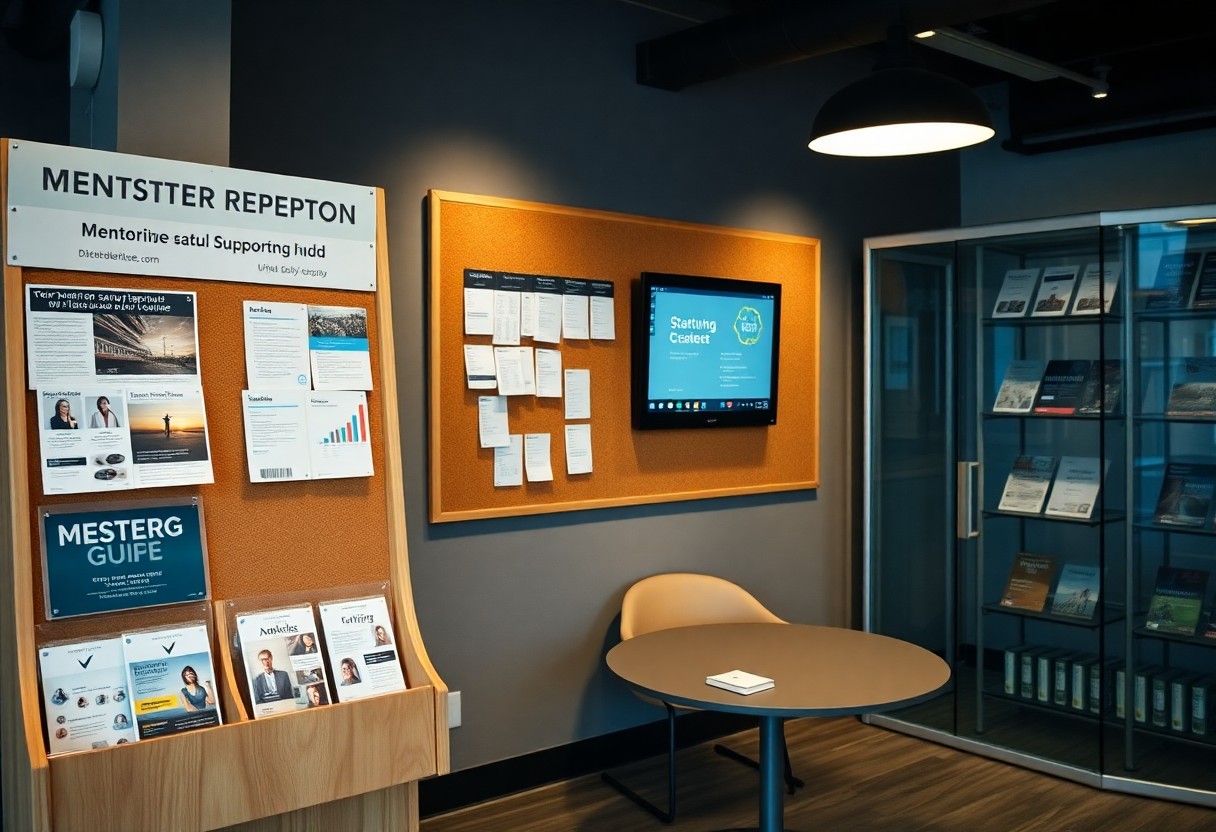
Mentorship and Professional Networking Hubs
Seattle’s mentorship programs connect you with seasoned entrepreneurs and investors, accelerating your learning curve and opening referral channels that can speed customer acquisition.
Engaging with Industry-Specific Business Incubators
Joining an industry-specific incubator gives you focused mentorship, prototyping resources, regulatory guidance, and direct introductions to investors interested in your niche.
Building Strategic Partnerships through Local Chambers of Commerce
Membership in local chambers of commerce helps you access procurement leads, co-marketing opportunities, referral networks, and community credibility that attract partners and clients.
You can build partnerships by attending chamber events, joining committees that match your expertise, sponsoring local programs, and using the chamber directory to request targeted introductions; consistent participation often leads to co-hosted workshops, preferred vendor listings, and early notice of contracting opportunities, accelerating business visibility and trust within Seattle’s commercial community.
Tailoring Marketing Strategies for the Pacific Northwest
Seattle marketing must reflect regional values-sustainability, tech-savvy customers, and tight community networks; support services help you tailor messaging, select channels, and schedule seasonal campaigns that match Pacific Northwest habits.
Understanding the Unique Seattle Consumer Demographic
Your customer base prioritizes sustainability, innovation, and local connection; you should segment offers for commuters, outdoor enthusiasts, and remote workers while using city-level data and neighborhood feedback to refine promotions and loyalty efforts.
Implementing Hyper-Local SEO and Digital Branding
Local SEO, geo-targeted ads, and consistent digital branding ensure you appear in neighborhood searches; you should optimize your Google Business profile, maintain accurate NAP listings, and publish content that references nearby neighborhoods and events.
Focus on claiming and fully populating your Google Business Profile, adding photos, hours, and service details while using neighborhood keywords, schema markup, and fast mobile pages; you should solicit and respond to reviews, secure citations from respected local directories, create hyper-local blog posts and event pages, run zip-code targeted ads, and monitor map clicks, direction requests, and local conversions to measure impact.

Operational Scaling and Infrastructure Support
Scaling your operations in Seattle gives you access to flexible infrastructure, IT support, and local advisors who help plan hires, facilities, and tech to match growth phases.
Utilizing Co-working Spaces and Innovation Districts
Shared co-working hubs let you reduce overhead, connect with mentors, and test team layouts while staying close to Seattle’s investor and talent networks.
Optimizing Supply Chain Logistics within the Puget Sound Region
Streamlining your supply chain across the Puget Sound reduces transit times, cuts costs, and taps port, rail, and regional warehousing to improve delivery reliability.
You can coordinate shipments through the Port of Seattle and Tacoma to access international routes, combine rail and truck intermodal options, and use regional fulfillment centers to shorten last‑mile delivery. Work with freight brokers, adopt transport‑management systems for real‑time tracking, and plan seasonal inventory buffers so your costs drop and service levels improve across the Puget Sound market.
Talent Acquisition and Workforce Development
Seattle’s competitive labor market rewards small businesses that invest in targeted hiring, training, and flexible staffing, helping you scale with fewer hiring missteps.
Tapping into Seattle’s High-Tech and Creative Talent Pools
Access specialized engineers, designers, and digital marketers through local meetups and university connections so you can staff projects faster and keep product momentum steady.
Utilizing City-Sponsored Recruitment and Training Initiatives
Engage workforce programs, apprenticeships, and employer tax incentives offered by the city to reduce hiring costs and upskill your team efficiently.
Programs such as employer training grants, hiring subsidies, apprenticeship placements, and partnerships with local colleges let you offset recruitment expenses, tailor skill development to your needs, and shorten new-hire ramp-up time so projects start delivering value sooner.
To wrap up
From above you can see how Seattle small business startup support services connect you with funding, legal help, mentorship, and market insights so you reduce risk, accelerate customer acquisition, and scale operations with expert guidance tailored to your needs.
FAQ
Q: What startup support services are available in Seattle for small businesses?
A: Seattle offers a wide range of startup support services, including business planning and incorporation assistance, legal clinics, bookkeeping and tax preparation, grant and loan application help, investor introductions, mentorship programs, incubators and accelerators, coworking spaces, market research and customer discovery support, HR and hiring guidance, and digital marketing and web development services. Public resources include Small Business Development Center (SBDC) offices, SCORE mentors, city economic development programs, and university-linked entrepreneurship centers. Industry-specific supports for tech, biotech, food, and manufacturing frequently appear through private accelerators and sector-specific nonprofit organizations.
Q: How can these services help reduce startup costs and speed up my timeline?
A: Using shared office space and cohort-based programs reduces overhead by splitting rent, equipment, and operational expenses. Expert advisors prevent common legal, tax, and compliance mistakes that cause expensive delays. Grant writers and funding advisors increase chances of non-dilutive capital, which lowers initial cash pressure. Templates, standard contracts, and startup playbooks shorten administrative setup time so founders can focus on product and customer testing sooner.
Q: Do Seattle programs improve access to funding and local customers?
A: Local investor networks, angel groups, and venture firms host regular pitch events and demo days that connect founders with capital. City procurement initiatives and supplier diversity programs open contracting opportunities with public agencies and large employers. Industry meetups, trade shows, and university partnerships create pipelines to pilot customers and referral partners within Seattle’s tech, life sciences, maritime, and food sectors.
Q: In what ways do mentorship and incubators accelerate product-market fit and scaling?
A: Mentors deliver targeted feedback on value propositions, pricing, and go-to-market plans based on real-world experience. Incubator cohorts provide structured customer discovery, prototype testing, and pilot introductions that validate demand faster than solo efforts. Regular mentor hours and curated investor meetings shorten the feedback loop required to refine the product and secure early customers or partners. Demo days and alumni networks increase visibility and follow-on support options.
Q: What criteria should I use when choosing a startup support provider in Seattle?
A: Evaluate a provider’s track record with startups in your industry, ask for case studies or references, and review measurable outcomes such as funding raised or customer acquisitions by past participants. Confirm the depth of their local network with investors, corporate partners, and procurement offices. Compare cost structures and the duration of post-program support. Prioritize providers that offer practical deliverables-templates, introductions, pilot opportunities-and clear expectations about milestones and reporting.
Author


The Mountain Is You: Transforming Self-Sabotage into Self-Mastery
$13.78 (as of September 16, 2026 17:19 GMT +00:00 – More infoProduct prices and availability are accurate as of the date/time indicated and are subject to change. Any price and availability information displayed on [relevant Amazon Site(s), as applicable] at the time of purchase will apply to the purchase of this product.)
Stay Calm: Learn to Embrace Uncertainty in Investing and Life
$21.99 (as of September 16, 2026 17:23 GMT +00:00 – More infoProduct prices and availability are accurate as of the date/time indicated and are subject to change. Any price and availability information displayed on [relevant Amazon Site(s), as applicable] at the time of purchase will apply to the purchase of this product.)
Money to Burn: The Unvarnished Truth About Leon Black, Apollo, and the Rise of a New Wall Street
$36.24 (as of September 16, 2026 17:23 GMT +00:00 – More infoProduct prices and availability are accurate as of the date/time indicated and are subject to change. Any price and availability information displayed on [relevant Amazon Site(s), as applicable] at the time of purchase will apply to the purchase of this product.)
INFLUENCING THE MASSES: The Psychological Techniques a Handful of People Use to Steer Billions of Minds
$19.98 (as of September 16, 2026 17:23 GMT +00:00 – More infoProduct prices and availability are accurate as of the date/time indicated and are subject to change. Any price and availability information displayed on [relevant Amazon Site(s), as applicable] at the time of purchase will apply to the purchase of this product.)


Leave a Reply