
As a startup founder, you know that having a website is no longer a nice-to-have, but a must-have. But, simply having a website isn’t enough – it needs to convert visitors into customers. You’ve invested time and resources into building your brand, and now it’s time to turn your website into a lead-generating machine. In this post, you’ll learn the key tips and strategies to optimize your website for maximum conversions, so you can drive more sales, grow your business, and stay ahead of the competition.
Key Takeaways:
- Clear Value Proposition: A high-converting website must clearly communicate its unique value proposition to visitors within seconds of landing on the site. This should be prominently displayed on the homepage and resonate with the target audience.
- User Experience: A seamless and intuitive user experience is vital for converting visitors into customers. Ensure that your website has a logical layout, fast loading speeds, and is optimized for various devices and browsers.
- Compelling Visuals: High-quality visuals, including images, videos, and graphics, can significantly enhance the user experience and increase conversions. Use relevant and attention-grabbing visuals to break up text and illustrate key points.
- Optimized Calls-to-Action: A clear and prominent call-to-action (CTA) is vital for driving conversions. Ensure that your CTAs are strategically placed, use action-oriented language, and stand out from the rest of the content.
- Data-Driven Decision Making: Continuously test and analyze your website’s performance using tools like Google Analytics. Use data to inform design and optimization decisions, and make iterative improvements to increase conversions over time.
Define Your Goal
Before you start building your website, it’s important to define its purpose. What do you want to achieve with your website? What action do you want your visitors to take? Defining your goal will help you create a focused website that drives conversions. [Having a clear goal in mind will save you time and resources in the long run.]
Importance of Clear Goals
By setting specific goals, you’ll be able to measure the success of your website and make data-driven decisions to improve it. Clear goals will also help you prioritize your content and design, ensuring that every element works towards achieving your desired outcome. [A clear goal will help you stay focused on what matters most.]
Examples of Goal-Oriented Websites
One of the best ways to understand the importance of goal-oriented websites is to look at examples. Take a look at websites like Dropbox, Airbnb, or Uber. Each of these websites has a clear goal in mind, whether it’s to get users to sign up for a free trial or to book a room. [Having a clear goal will help you create a website that resonates with your target audience.]
Websites like these have been designed with a specific goal in mind, and every element on the page works towards achieving that goal. For instance, Dropbox’s website is designed to get users to sign up for a free trial, with clear calls-to-action and a simple sign-up process. By studying these examples, you can learn how to create a website that drives conversions and achieves your desired outcome. [Studying successful websites will help you identify what works and what doesn’t.]

Focus on User Experience (UX)
Any startup looking to build a high-converting website needs to prioritize user experience (UX). Your website’s UX is the foundation upon which all other elements are built, and it can make or break your conversion rates. A well-designed UX will keep visitors engaged, while a poor one will drive them away.
Key Elements of Good UX
Across all devices and browsers, good UX is characterized by intuitive navigation, clear typography, and a logical information architecture. You want to make it easy for visitors to find what they’re looking for and take the desired action.
Best Practices for Improving UX [Don’t underestimate the power of user testing!]
Any changes you make to your website’s UX should be data-driven and based on real user feedback. Conduct regular usability testing to identify pain points and areas for improvement.
Experience has shown that even small tweaks to your UX can have a significant impact on conversion rates. For example, simplifying your navigation menu or reducing the number of form fields can lead to a significant increase in conversions. By prioritizing UX and making data-driven decisions, you can create a website that resonates with your target audience and drives real results for your business [Make UX a core part of your development process from day one].

Optimize for Mobile
Many startups overlook the importance of mobile optimization, but it’s a critical aspect of building a high-converting website. With the majority of users accessing websites through their mobile devices, a mobile-friendly website is no longer a nice-to-have, but a must-have.
The Rise of Mobile Usage
Optimizing your website for mobile is more important than ever, as mobile usage continues to skyrocket. According to recent statistics, mobile devices account for over 50% of all website traffic, and this number is expected to continue growing.
Ensuring Mobile-Friendliness
Above all, your website should be easily accessible and navigable on mobile devices. This means ensuring that your website’s layout, content, and images are optimized for smaller screens and touch-based interfaces.
Consequently, you’ll need to test your website on various mobile devices and browsers to ensure a seamless user experience. This includes checking for responsive design, fast loading speeds, and easy-to-click buttons and links. By doing so, you’ll be able to provide your mobile users with a smooth and enjoyable experience, increasing the chances of conversion and loyalty.
Clear and Compelling Call to Action (CTA)
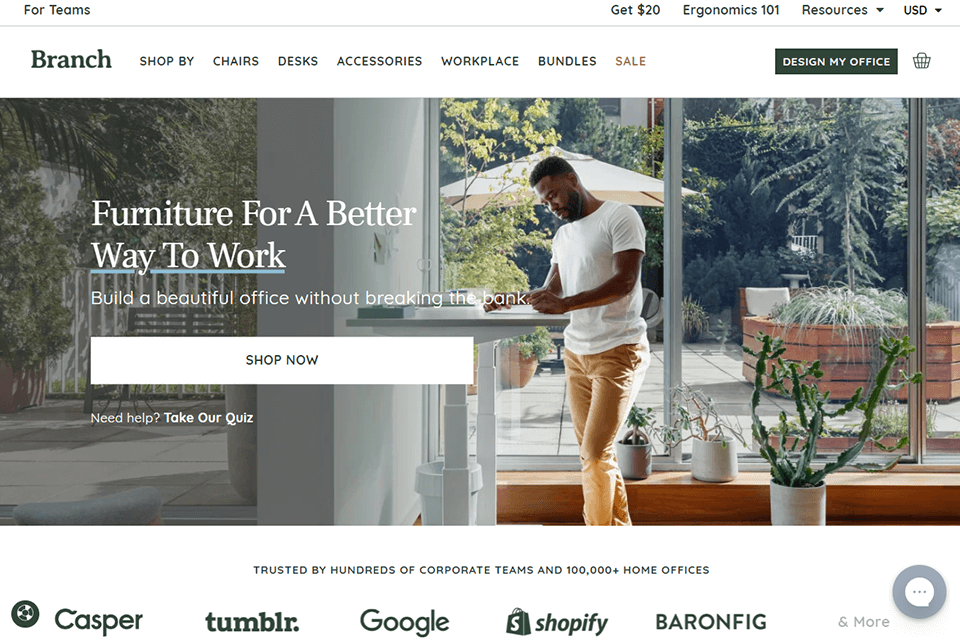
Once again, it’s all about guiding your visitors towards a specific action. A clear and compelling call-to-action (CTA) is important to convert your website visitors into customers. Without a well-designed CTA, you risk losing potential customers and leaving money on the table. [Make sure your CTA is visible and prominent on your website.]
Definition and Impact of CTAs
The primary goal of a CTA is to prompt your visitors to take a specific action, such as filling out a form, making a purchase, or subscribing to a newsletter. By incorporating a well-crafted CTA, you can significantly increase your conversion rates and ultimately drive revenue growth.
Creating Strong CTAs
Clear and concise language is key to creating an effective CTA. Use action-oriented verbs like “Get Started” or “Sign Up” to encourage visitors to take action. Avoid using vague language that may confuse or deter visitors from converting.
Even more importantly, make sure your CTA stands out from the rest of your website’s content. Use contrasting colors, bold fonts, and ample whitespace to draw attention to your CTA. This will ensure that your visitors can’t help but notice and respond to your call-to-action.
Leverage Social Proof and Testimonials
Keep in mind that social proof and testimonials are imperative elements in building trust with your target audience. By showcasing the positive experiences of your existing customers, you can increase the chances of converting visitors into paying customers. This is especially important for startups, as it helps to establish credibility and overcome any trust barriers that may exist.
Building Trust with Social Proof
Proof of success from others can be a powerful motivator for potential customers. By highlighting case studies, user reviews, and ratings, you can demonstrate the value of your product or service and build trust with your target audience. [Make sure to prominently display social proof on your website to maximize its impact.]
Integrating Testimonials Effectively
Proof of satisfaction from real customers can be a game-changer for your conversion rates. By showcasing testimonials in a clear and concise manner, you can increase the perceived value of your product or service and build trust with potential customers. [Use high-quality images and videos to make your testimonials more relatable and engaging.]
Integrating testimonials effectively requires a strategic approach. You should aim to showcase a diverse range of testimonials that highlight different aspects of your product or service. This could include testimonials from different industries, company sizes, or geographic locations. By doing so, you can demonstrate the versatility and effectiveness of your solution and increase its appeal to a wider audience. [Use a mix of short and long-form testimonials to cater to different learning styles and preferences.]
Optimize for SEO (Search Engine Optimization)
Despite the ever-changing landscape of online marketing, SEO remains a vital component of any successful website. By neglecting SEO, you risk losing visibility, credibility, and ultimately, conversions. As a startup, it’s crucial to understand the importance of SEO and how to optimize your website to attract and engage your target audience.
Brief Overview of SEO
Besides driving traffic to your website, SEO helps establish your brand as an authority in your industry. It’s the process of improving the quality and quantity of website traffic by increasing the visibility of your website to search engines like Google, Bing, or Yahoo.
Basic SEO Best Practices
By following basic SEO best practices, you can significantly improve your website’s search engine ranking. This includes optimizing your website’s structure, creating high-quality content, using relevant keywords, and building high-authority backlinks.
Hence, it’s crucial to ensure your website is mobile-friendly, has fast loading speeds, and is secure (HTTPS). You should also conduct keyword research to identify relevant terms and phrases your target audience uses, and incorporate them naturally into your content. By doing so, you’ll increase your chances of ranking higher in search engine results pages (SERPs) and driving more qualified leads to your website.

Integrate Analytics for Data-Driven Decisions
Now that you have a solid foundation for your website, it’s time to integrate analytics to make data-driven decisions. This will help you understand your users’ behavior, identify areas for improvement, and optimize your website for better conversions. By tracking your website’s performance, you’ll be able to refine your strategy and allocate resources more effectively.
Importance of Tracking Performance
About 90% of startups fail due to poor market fit or lack of traction. [Don’t be one of them by ignoring your website’s performance metrics.] Tracking your website’s performance helps you identify areas that need improvement, allowing you to adjust your strategy and increase your chances of success.
Key Metrics to Monitor
Decisions based on gut feelings are a thing of the past. [Make informed decisions by tracking the right metrics.] You need to monitor key metrics such as bounce rate, conversion rate, average session duration, and pages per session to understand your users’ behavior and optimize your website for better performance.
Analytics tools like Google Analytics provide a wealth of data, but it’s important to focus on the metrics that matter most to your business. For instance, if you’re an e-commerce site, you’ll want to track metrics like cart abandonment rate, average order value, and revenue per user. [Use these metrics to identify areas for improvement and optimize your website for maximum ROI.] By tracking the right metrics, you’ll be able to refine your strategy and increase conversions.
Speed Matters: Improve Your Site’s Load Time
Unlike other website optimization techniques, improving your site’s load time is a no-brainer. A slow-loading website can be a major turnoff for visitors, leading to high bounce rates and low conversion rates. In today’s fast-paced digital landscape, users expect instant gratification, and a slow website can’t deliver that.
The Impact of Slow-Loading Websites
Between 2006 and 2016, the average human attention span decreased from 12 seconds to 8 seconds. A slow-loading website can cause visitors to lose interest and leave your site before it even finishes loading [make sure your website loads within 3 seconds or less].
Tips for Speeding Up Your Site
About 80% of websites take more than 3 seconds to load. To avoid being part of this statistic, you can take several steps to speed up your site. Here are a few tips:
- Optimize your images by compressing them without sacrificing quality.
- Use a content delivery network (CDN) to reduce latency.
- Enable browser caching to reduce the number of HTTP requests.
Thou shalt not ignore the importance of website speed optimization, lest thou suffer the consequences of high bounce rates and low conversion rates.
Your website’s load time is critical to its success. To further improve your site’s speed, consider using a fast web hosting service, minimizing HTTP requests, and avoiding too many plugins or widgets [prioritize speed optimization to improve user experience]. Here are some additional tips:
- Use a fast and efficient theme or template.
- Avoid too many JavaScript files and compress them when possible.
Thou shalt prioritize website speed optimization to ensure a seamless user experience and increase conversions.
Create Engaging Content
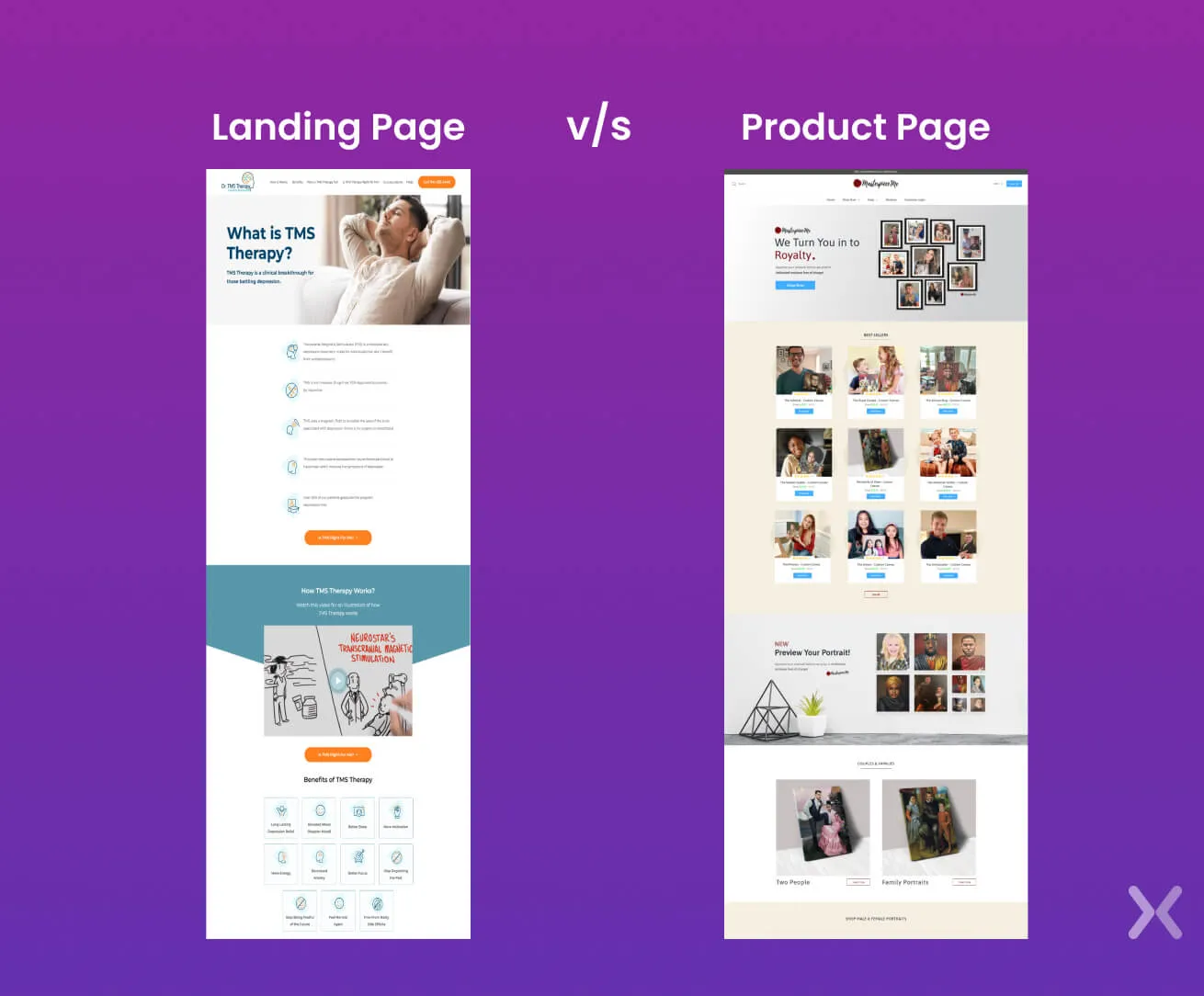
After you’ve designed a visually appealing website, it’s time to focus on creating engaging content that resonates with your target audience. This is where you’ll differentiate yourself from competitors and establish your brand’s unique voice. [Decide on the tone and style of your content early on to ensure consistency throughout your website.]
Types of Engaging Content
One effective way to engage your audience is to create a mix of content types, including blog posts, videos, infographics, and podcasts. This will cater to different learning styles and preferences, increasing the chances of converting visitors into customers.
| Content Type | Description |
| Blog Posts | In-depth articles on specific topics, often informative or educational. |
| Videos | Visual content that can be entertaining, educational, or promotional. |
| Infographics | Visual representations of data or information, often easy to consume. |
| Podcasts | Audio content that can be entertaining, educational, or thought-provoking. |
- Use attention-grabbing headlines and introductions to draw visitors in.
- Create content that addresses specific pain points or interests of your target audience.
- This will help you build trust and establish your brand as an authority in your industry.
Tips for Crafting Compelling Content
Around 55% of visitors spend fewer than 15 seconds on a website, so you need to craft content that grabs their attention quickly. [Focus on creating high-quality, engaging content that resonates with your target audience.]
- Use storytelling techniques to make your content more relatable and memorable.
- Keep your content concise, scannable, and easy to read.
- After you’ve written your content, edit and refine it to ensure it’s error-free and engaging.
It’s also necessary to optimize your content for search engines by using relevant keywords, meta descriptions, and optimizing images. [Conduct thorough keyword research to identify opportunities and gaps in your content strategy.]
- Use header tags to structure your content and highlight key points.
- Internal and external linking can improve user experience and increase engagement.
- After you’ve published your content, promote it through social media and email marketing channels.
Use Visual Hierarchy and Design Principles
For a high-converting website, you need to create a visual experience that guides visitors towards taking action. This is where visual hierarchy and design principles come into play. By strategically organizing elements on your page, you can direct attention, create flow, and ultimately drive conversions.
The Role of Visual Hierarchy
The way you arrange visual elements on your page determines how visitors process information. A well-designed visual hierarchy helps you prioritize content, create focus points, and lead visitors through your sales funnel.
Design Principles for Conversions
To maximize conversions, you need to make intentional design decisions that support your business goals [decide on a design style that resonates with your target audience]. Balance, contrast, alignment, and proximity are just a few principles that can make or break your website’s performance.
But, it’s not just about applying design principles; it’s about understanding how they impact user behavior. For instance, using whitespace effectively can reduce bounce rates and increase engagement [make sure your design has enough negative space to guide the visitor’s eye]. By mastering these principles, you can create a website that converts like crazy.
Make It Easy to Convert
Your website’s conversion rate depends on how seamlessly visitors can complete their desired actions. According to 13 Proven Ways To Create A High-Converting Website, a well-designed website can increase conversions by up to 200%. By minimizing obstacles and guiding users through the conversion process, you can significantly boost your website’s performance.
Reducing Friction in the Conversion Process
Convert visitors into customers by eliminating any hurdles that might stand in their way. Make sure your forms are short and easy to fill out, and that your calls-to-action (CTAs) are clear and prominent. [Deciding on the right CTA placement can make or break your conversion rate.]
Streamlining the User Journey
Above all, your website should provide a seamless and intuitive user experience. Ensure that each step in the conversion process logically flows into the next, and that users can easily find what they’re looking for.
The key to streamlining the user journey is to put yourself in your visitors’ shoes and identify any pain points or areas of confusion. By doing so, you can simplify the conversion process, reduce bounce rates, and ultimately drive more sales and revenue for your startup.
Use Urgency and Scarcity Tactics
Once again, it’s time to tap into human psychology to drive conversions. Urgency and scarcity tactics are powerful motivators that can nudge visitors towards making a purchase or taking a desired action on your website. By creating a sense of FOMO (fear of missing out), you can increase the likelihood of visitors converting into customers.
The Psychology of Urgency and Scarcity
After all, people are wired to respond to threats or opportunities that have a deadline. This is because our brains are programmed to prioritize immediate rewards over potential long-term benefits. [Decide which scarcity tactics align with your brand values and target audience.]
Implementing Urgency and Scarcity Tactics
Against the backdrop of a crowded marketplace, you need to create a sense of exclusivity and limited-time offers to stand out. This can be achieved through countdown timers, limited-time discounts, or exclusive deals for first-time customers.
Tactics like scarcity messaging, limited availability, and countdown timers can create a sense of urgency, encouraging visitors to take action sooner rather than later. For instance, you can display a message like “Only 5 spots left!” or “Offer ends in 24 hours!” to create a sense of FOMO. By incorporating these tactics strategically, you can boost conversions and drive revenue growth.
Continuously Test and Refine
All high-converting websites have one thing in common: they’re constantly being improved. You can’t just launch a website and expect it to perform well without making adjustments. The online landscape is constantly changing, and your website needs to adapt to stay ahead of the competition.
The Importance of Continuous Optimization
After launching your website, you’ll likely receive feedback from users, and you’ll identify areas that need improvement. [It’s important to prioritize user experience to increase conversions.] Continuous optimization ensures that your website remains relevant, user-friendly, and aligned with your target audience’s evolving needs.
Tools for Testing and Refining
Optimization requires the right tools to help you make data-driven decisions. [Investing in A/B testing software can significantly boost your conversion rates.] You’ll need tools that can help you track user behavior, identify pain points, and measure the effectiveness of your changes.
But, with so many tools available, it can be overwhelming to choose the right ones. Start by identifying your specific needs, such as heat mapping, A/B testing, or user feedback analysis. Then, research and compare different tools to find the ones that best fit your budget and goals. [Don’t be afraid to experiment with different tools until you find the ones that work best for your website.]
Summing up
Now that you’ve got the lowdown on building a high-converting website, it’s time to put these key tips into action. You’ve learned how to craft a compelling value proposition, design a user-friendly interface, and optimize your site for speed and mobile. By implementing these strategies, you’ll be well on your way to creating a website that resonates with your target audience and drives real results for your startup. So, what are you waiting for? Get building, and watch your conversion rates soar!
FAQ
Q: What makes a website high-converting, and why is it vital for startups?
A: A high-converting website is one that effectively persuades visitors to take a desired action, such as filling out a form, making a purchase, or subscribing to a service. For startups, a high-converting website is vital because it can significantly impact revenue, customer acquisition, and ultimately, the success of the business. A well-designed website can help startups stand out in a competitive market, build trust with potential customers, and drive growth.
Q: What are the key elements of a high-converting website, and how can startups prioritize them?
A: The key elements of a high-converting website include a clear value proposition, a user-friendly interface, fast loading speeds, compelling visuals, and a seamless user experience. Startups can prioritize these elements by conducting user testing, gathering feedback, and iterating on their design and development. They should also focus on creating a strong call-to-action (CTA) that stands out and encourages visitors to take action.
Q: How can startups optimize their website’s loading speed, and why is it so important for conversions?
A: Startups can optimize their website’s loading speed by using caching tools, compressing images, minimizing HTTP requests, and leveraging content delivery networks (CDNs). Loading speed is critical for conversions because it directly impacts user experience and search engine rankings. A slow-loading website can lead to high bounce rates, lower engagement, and a decrease in conversions. In contrast, a fast-loading website can improve user satisfaction, increase engagement, and boost conversions.
Q: What role does mobile optimization play in creating a high-converting website, and how can startups ensure a seamless mobile experience?
A: Mobile optimization is vital for creating a high-converting website because most users access websites through their mobile devices. Startups can ensure a seamless mobile experience by designing a responsive website that adapts to different screen sizes, using mobile-friendly layouts and navigation, and optimizing images and content for mobile devices. They should also prioritize fast loading speeds and ensure that their website’s CTAs are easily accessible and tappable on mobile devices.
Q: How can startups measure the effectiveness of their website and identify areas for improvement?
A: Startups can measure the effectiveness of their website by tracking key performance indicators (KPIs) such as conversion rates, bounce rates, and user engagement metrics. They can use tools like Google Analytics to gather data and identify areas for improvement. Additionally, startups can conduct A/B testing, gather feedback from users, and analyze heat maps and click-tracking data to refine their website’s design and functionality.
Author


The Daily Stoic 10th Anniversary Edition: 366 Meditations on Wisdom, Perseverance, and the Art of Living
$28.49 (as of November 6, 2026 19:05 GMT +00:00 – More infoProduct prices and availability are accurate as of the date/time indicated and are subject to change. Any price and availability information displayed on [relevant Amazon Site(s), as applicable] at the time of purchase will apply to the purchase of this product.)
Awaken the Giant Within, Updated
$28.95 (as of November 6, 2026 19:05 GMT +00:00 – More infoProduct prices and availability are accurate as of the date/time indicated and are subject to change. Any price and availability information displayed on [relevant Amazon Site(s), as applicable] at the time of purchase will apply to the purchase of this product.)
Rich Dad Poor Dad: What the Rich Teach Their Kids About Money That the Poor and Middle Class Do Not!
$7.68 (as of November 6, 2026 19:05 GMT +00:00 – More infoProduct prices and availability are accurate as of the date/time indicated and are subject to change. Any price and availability information displayed on [relevant Amazon Site(s), as applicable] at the time of purchase will apply to the purchase of this product.)
Atomic Habits: An Easy & Proven Way to Build Good Habits & Break Bad Ones
$15.69 (as of November 6, 2026 19:05 GMT +00:00 – More infoProduct prices and availability are accurate as of the date/time indicated and are subject to change. Any price and availability information displayed on [relevant Amazon Site(s), as applicable] at the time of purchase will apply to the purchase of this product.)


Leave a Reply