
With countless decisions to make as a small business owner, it’s easy to overlook key aspects that can lead to significant financial losses. One misstep can cost you dearly, as I discovered when I lost $34,000 due to a common mistake. This post will outline what you need to know to steer clear of this costly error, ensuring your business remains on the path to success and growth. By learning from my experience, you can save your resources and enhance your operations.
Key Takeaways:
- Underestimating expenses can lead to significant financial losses.
- Thorough market research is important before launching a product or service.
- Building a financial buffer can protect your business in unforeseen circumstances.
- Customer feedback is vital for refining offerings and avoiding mistakes.
- Creating a clear business plan helps in anticipating potential pitfalls.
Understanding the Costly Mistake
Many small business owners fall into traps that significantly impact their financial stability. Without careful analysis, you might overlook critical expenses or miscalculate your projected income. This lack of precision can lead to serious cash flow problems, forcing you to make tough decisions that could jeopardize your operations. By dissecting these mistakes early on, you can create a more robust framework for your business.
Identifying Common Pitfalls
Common pitfalls include underestimating operating costs, neglecting to account for seasonal fluctuations, and failing to anticipate unexpected expenses. You might assume that a product will sell well based on initial interest, but ignoring factors like competition or demand shifts can derail your profits. A thorough assessment of these elements can save you from potential disaster.
The Impact on Small Businesses
The repercussions of financial miscalculations can be devastating for small businesses. Nearly 30% of startups fail within the first two years, often due to poor financial planning. As a business owner, the failure to accurately forecast expenses not only threatens your profits but may also limit your growth opportunities. Each misstep can create a ripple effect, leading to missed payroll, financial strain, and even the possibility of closing your doors for good.
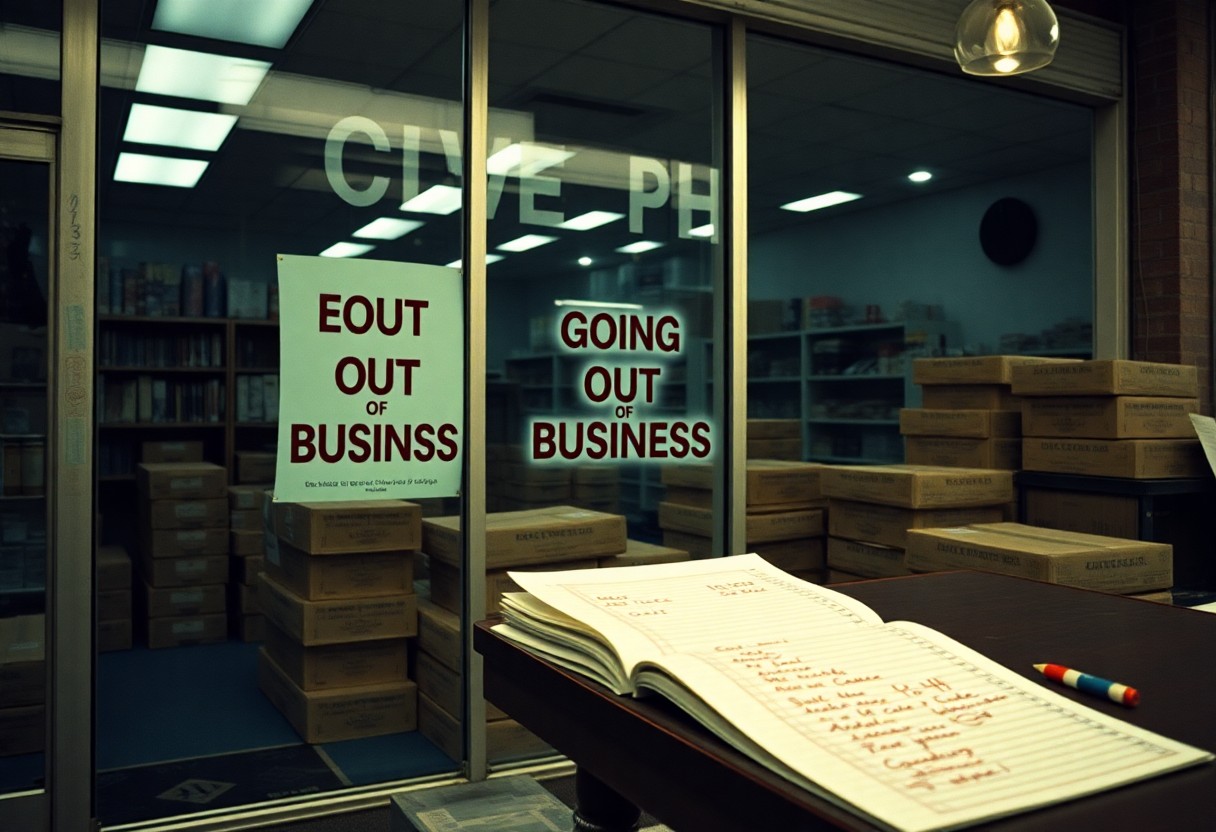
Personal Experience: My $34,000 Mistake
The Decision-Making Process
Your decision-making was heavily influenced by optimism, a desire for growth, and insufficient data. You bypassed critical analysis of market trends and customer feedback. Instead of seeking expert advice or conducting a detailed cost-benefit analysis, you trusted your instincts, believing success was imminent. This led to an impulsive commitment of resources, which soon proved to be costly.
Consequences and Lessons Learned
Over time, the repercussions of that miscalculation rippled through your business. Cash flow shortages limited your ability to invest in other areas, stalling growth and innovation. It became clear that decisions require not just passion but evidence-based strategies. Each subsequent decision is now grounded in thorough analysis, aligning expenditure with realistic projections. This accountability has fostered a more resilient business model, setting a foundation for sustainable growth.
Preventive Measures for Small Businesses
Taking proactive steps can significantly mitigate risks and prevent financial losses in your small business. By establishing sound financial practices, conducting regular audits, and ensuring a clear understanding of your cash flow, you can identify potential issues before they escalate. Training your team on best financial practices will also ensure that everyone is aligned and vigilant, enabling you to make data-driven decisions that promote sustainability and growth.
Key Strategies to Avoid Financial Loss
Implement clear budgeting processes and consistently track your expenses against your income. Utilizing financial management software can provide real-time insights into your cash flow, allowing you to identify spending patterns and potential areas for savings. Setting aside a contingency fund for unexpected expenses can also provide a buffer against cash flow disruptions, ensuring your business remains agile and resilient.
Effective Risk Management Practices
Your small business needs a solid risk management strategy to thrive. This involves regularly assessing potential threats, from market fluctuations to operational inefficiencies. By identifying risks early, you can develop contingency plans that safeguard your assets and reduce the likelihood of significant financial damage.
An effective risk management framework should include regular risk assessments and a proactive approach to evaluating both internal and external factors affecting your business. For instance, consider scenarios like sudden market downturns or supply chain disruptions, and create detailed plans for each potential scenario. Establishing a culture of risk awareness among your team fosters vigilance and encourages them to report issues early. Furthermore, investing in insurance can also protect you against unforeseen circumstances, serving as a safety net when unexpected challenges arise.

Tools and Resources for Small Business Owners
Utilizing the right tools and resources can dramatically streamline your operations and enhance your business efficiency. From financial management software to consulting services, each resource can offer specific benefits to address your unique challenges and foster growth. Identifying and implementing these tools early can greatly improve your decision-making and financial health.
Financial Management Software
Effective financial management software helps you track expenses, manage cash flow, and prepare for taxes. Solutions like QuickBooks or Xero allow you to automate invoicing and payroll, saving you time and potentially significant amounts of money. By keeping your finances organized, you gain valuable insights into your spending patterns, enabling better budgeting and forecasting.
Consulting and Support Services
Consulting services provide personalized guidance tailored to your business needs. Hiring an expert can illuminate blind spots in your operations or strategy, ultimately saving you money. Whether it’s hiring a financial consultant to optimize your budget or a marketing expert to improve your outreach, these professionals often provide high returns on investment by identifying efficiencies and opportunities you may overlook.
Among the various consulting services available, financial consulting stands out due to its direct impact on your business’s bottom line. Working with a financial consultant can help you understand complex financial reports, establish important benchmarks, and create sustainable growth strategies. Their expertise might also uncover potential savings in areas you hadn’t considered, allowing you to reallocate funds towards more productive investments. By investing in consulting services, you’re not just spending money; you’re equipping your business with the knowledge and strategies necessary to thrive in a competitive environment.
Real-Life Case Studies
Examining the experiences of other small business owners provides valuable insights into common pitfalls and effective strategies. Here are some case studies that highlight significant financial mistakes and the lessons learned from them:
- Startup A faced inventory mismanagement, leading to a $25,000 loss due to unsold stock.
- Business B underestimated marketing costs, resulting in overspending of $10,000 without measurable results.
- Company C neglected digital security, suffering a data breach that cost $50,000 to resolve.
- Firm D experienced poor cash flow management, which caused a $30,000 shortfall in operational expenses.
Other Entrepreneurs’ Experiences
Several entrepreneurs have highlighted similar missteps in their journeys, showing that you’re not alone in navigating these challenges. Many have reported significant losses due to incomplete market research or failing to adapt to consumer feedback, emphasizing the importance of being adaptable in your business approach.
Strategies They Implemented
To turn their challenges into opportunities, various entrepreneurs adopted proactive strategies that helped them recover and grow. These included implementing detailed cash flow management systems, investing in customer relationship tools, and prioritizing market research to better understand their audience.
For instance, Entrepreneur E introduced a weekly review of cash flow projections and engaged with financial advisors to refine their budgeting practices, ultimately recovering the lost revenue within a year. Entrepreneur F utilized data analytics to fine-tune marketing efforts, increasing conversion rates by 25%. By understanding these strategies, you can avoid similar pitfalls and enhance your small business’s resilience and profitability.
Moving Forward: Building Resilience
To successfully navigate the ups and downs of running a small business, you need to cultivate resilience. This allows you to learn from setbacks, pivot quickly, and maintain a positive outlook, which becomes necessary in times of uncertainty. By embracing challenges as opportunities for growth, you equip yourself with the tools to overcome financial hurdles and emerge stronger than before.
Cultivating a Growth Mindset
A growth mindset empowers you to view failures as stepping stones rather than roadblocks. This approach fosters innovation and exploration in your business strategies. By embracing challenges, you encourage yourself to seek solutions, ultimately leading to improved outcomes and sustainable growth.
Adapting to Challenges
Adapting to challenges requires agility and a proactive mindset. When facing unexpected difficulties, analyze the situation thoroughly, gather data, and adjust your strategies accordingly. Flexibility allows you to pivot swiftly, seizing new opportunities while minimizing losses. For instance, during economic downturns, businesses that diversify their offerings often outperform those that remain rigidly fixed in their original model. Consider companies that shifted to e-commerce during crises; they not only survived but thrived by reaching broader markets and catering to changing consumer behaviors.
Final Words
Conclusively, understanding the mistakes that can lead to significant financial losses is vital for your business success. The error that cost me $34,000 stemmed from neglecting proper financial planning and cash flow management. By prioritizing these fundamental aspects and seeking expert advice when needed, you can steer clear of similar pitfalls. Learning from others’ experiences will not only safeguard your resources but also empower your business to thrive in a competitive market.
FAQ
Q: What was the small business mistake that led to a loss of $34,000?
A: The mistake involved poor financial planning and budgeting, which resulted in overspending on unnecessary resources and failing to track expenses effectively.
Q: How can I identify potential financial pitfalls in my business?
A: Regularly review financial statements, set clear budgets, and utilize accounting software to track income and expenses accurately. Regular assessments can help reveal trends and potential issues.
Q: What strategies can help avoid overspending in a small business?
A: Establish a comprehensive budget, prioritize necessary expenses, and reassess financial commitments periodically. Additionally, setting strict approval processes for expenditures can ensure better control over finances.
Q: Are there tools or resources to help manage small business finances?
A: Yes, using accounting software such as QuickBooks or FreshBooks can help manage finances effectively. Online budgeting tools and financial advisors are also beneficial for creating and maintaining a solid financial plan.
Q: What steps can I take to improve my overall financial management?
A: Educate yourself on financial best practices, attend workshops or webinars on business finance, and seek mentorship from experienced entrepreneurs. Consistent monitoring and adaptation of financial strategies lead to better management.
Author


What Could Possibly Go Right?: The Essential Journey to Scale an Enduring Culture
$31.99 (as of October 7, 2026 16:07 GMT +00:00 – More infoProduct prices and availability are accurate as of the date/time indicated and are subject to change. Any price and availability information displayed on [relevant Amazon Site(s), as applicable] at the time of purchase will apply to the purchase of this product.)
I Will Teach You to Be Rich: No Guilt. No Excuses. Just a 6-Week Program That Works (Second Edition)
$9.15 (as of October 7, 2026 16:07 GMT +00:00 – More infoProduct prices and availability are accurate as of the date/time indicated and are subject to change. Any price and availability information displayed on [relevant Amazon Site(s), as applicable] at the time of purchase will apply to the purchase of this product.)
The Art of Fighting: The Transformative Power of Conflict
$17.33 (as of October 7, 2026 16:08 GMT +00:00 – More infoProduct prices and availability are accurate as of the date/time indicated and are subject to change. Any price and availability information displayed on [relevant Amazon Site(s), as applicable] at the time of purchase will apply to the purchase of this product.)
Vibe: The Secrets of Strong Connections in a Lonely World
$22.40 (as of October 7, 2026 16:08 GMT +00:00 – More infoProduct prices and availability are accurate as of the date/time indicated and are subject to change. Any price and availability information displayed on [relevant Amazon Site(s), as applicable] at the time of purchase will apply to the purchase of this product.)


Leave a Reply